
Backyard Naturalist: Is there a more beautiful sight than a healthy red fox in the wild?
Michael Pappone explores the world of red foxes in this week’s Backyard Naturalist.
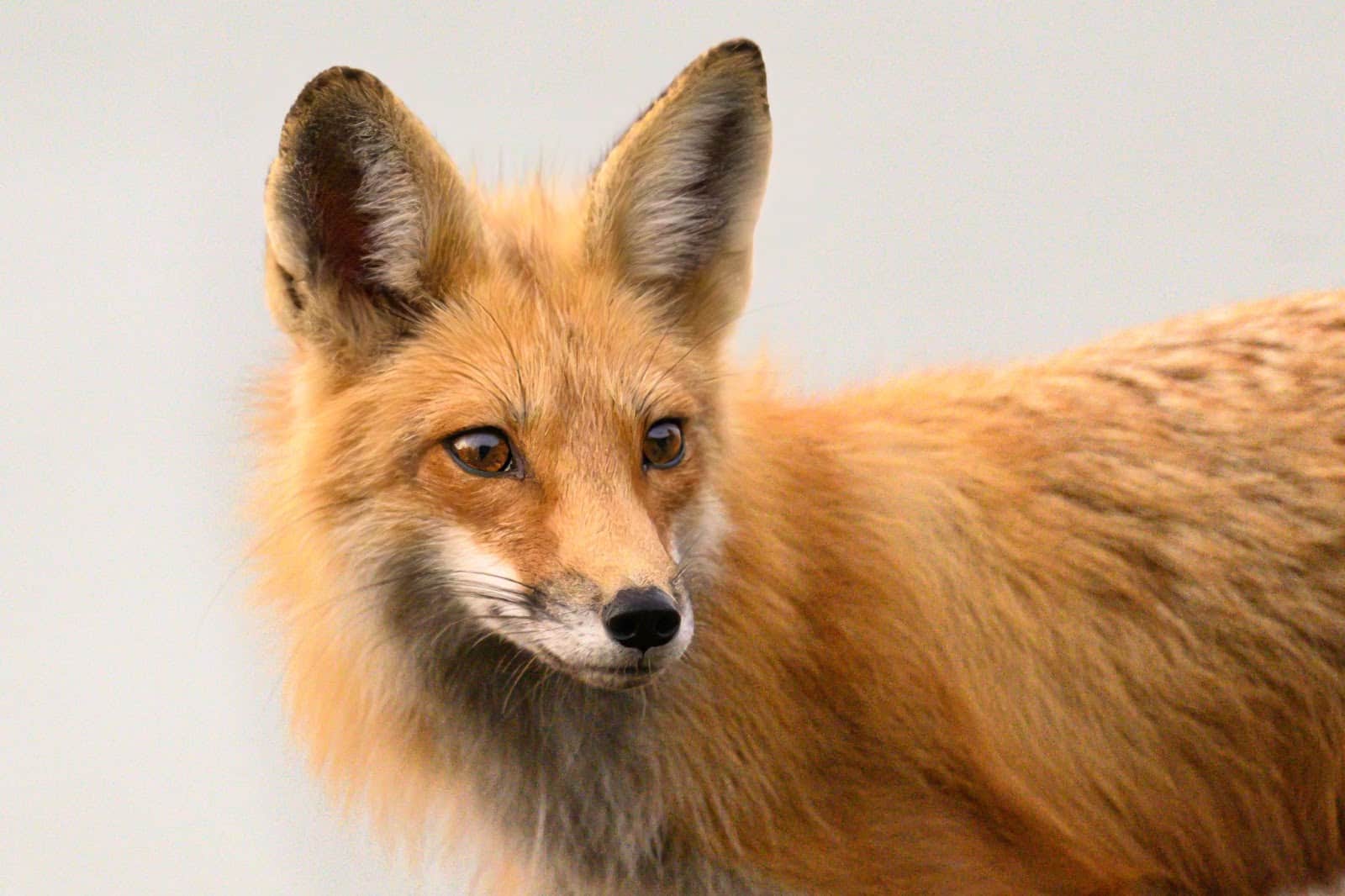
I know of few sights in the neighborhood more breathtaking than that of a healthy red fox at close range. Our daughter, when she was not yet 10 years old, had been sitting quietly in our woods after school when a fox passed right in front of her eyes, barely an arm’s-length away. Those wonder-filled eyes told us all we needed to know about the value of enjoying nature in unfiltered form.
Weston’s red foxes have it pretty good: they thrive in the midst of our abundant “edge” environments – where the woods give way to open country. That’s where Vulpes vulpes finds the hillsides into which it can excavate dens, the meadows where the smorgasbord of prey and plants thrive, as well as plenty of water sources.
Folklore and mythology feature the fox as the trickster, the shape-shifter, the riddler and the one who, well, outfoxes his opponents. They disguise their diminutive dimensions by sporting a coat of thick fur and accessorizing with a fluffy tail that is two-thirds the length of the rest of its body. At 12 pounds, the average fox weighs only as much as a good-sized house cat.
The fox uses its cunning to succeed as an omnivorous, opportunistic feeder. It favors small rodents like mice and voles, but rounds out its diet with reptiles, insects, songbirds, cottontail rabbits and plant material like berries and other fruits. Oh yes, did I mention domestic poultry? For our son in Vermont, fox predation is the bane of his hens’ existence – it’s at its worst in spring when the vixen has a litter of hungry kits in the den.
Most of the foxes’ hunting takes place during the hours nearest to sunset and sunrise, making them not nocturnal but crepuscular predators. Their schedule is synchronized to coincide with the times their prey is most active; but when the den is squirming with a half-dozen fuzzy kits, the hunting chores stretch into the daylight hours, increasing the chances you’ll be able to spot one.
The red fox (like the other dozen of its cousin fox species) is a member of the canid, or dog, family. Yet, it exhibits behavior that makes us wonder if maybe some feline genes hadn’t sneaked into the mix. Other dog species, like coyotes and wolves, form packs, often hunting ungulates together. Not the fox – she’s a solitary hunter who skulks like a cat invisibly into the habitat of its prey, then aims a lethal pounce on its target. Not only can the fox hear a mouse squeak at a distance of 100 yards (or under a foot of snow), but it’s the only predator known to use the earth’s magnetic field to help it judge the distance and direction of its prey.
The red fox’s forepaws feature semi-retractable claws (gray foxes’ claws are fully-retractable tree-climbing claws), and it can leap like a cat over a six-foot fence. A lucky fox in the wild can expect to live about four years, raising a litter each year. The unlucky fox is the one that gets hit by a car, trapped, caught by a coyote or scooped up as a kit by a bird of prey. Sadly, this important member of the rodent-control team can fall victim to the rodenticides consumed by its prey. Save Weston Wildlife (see the Facebook page) is working to rid the Town of Weston and the commonwealth of these deadly chemicals.
We can play some small role in protecting a species that traces its origins to a time hundreds of thousands of years before humans walked the earth, and has succeeded in laying claim to the largest geographical range of any living carnivore.
The Fantastic Mr. (and Ms.) Fox, indeed!
“Pay attention/Be astonished/Tell about it!”
Mary Oliver’s “Words for Living”
Author

Related Articles
Backyard Naturalist: Keep an eye out for bald eagles feeding in Weston
While they’re not actually bald at all, Backyard Naturalist Michael Pappone loves our national bird.

History Corner: George Washington really did sleep here!
George Washington once spent some time in Weston.