
The other side of Revolutionary history on display at Golden Ball Tavern
The historic Golden Ball Tavern still invites visitors inside, although it is offering education instead of food and drink.
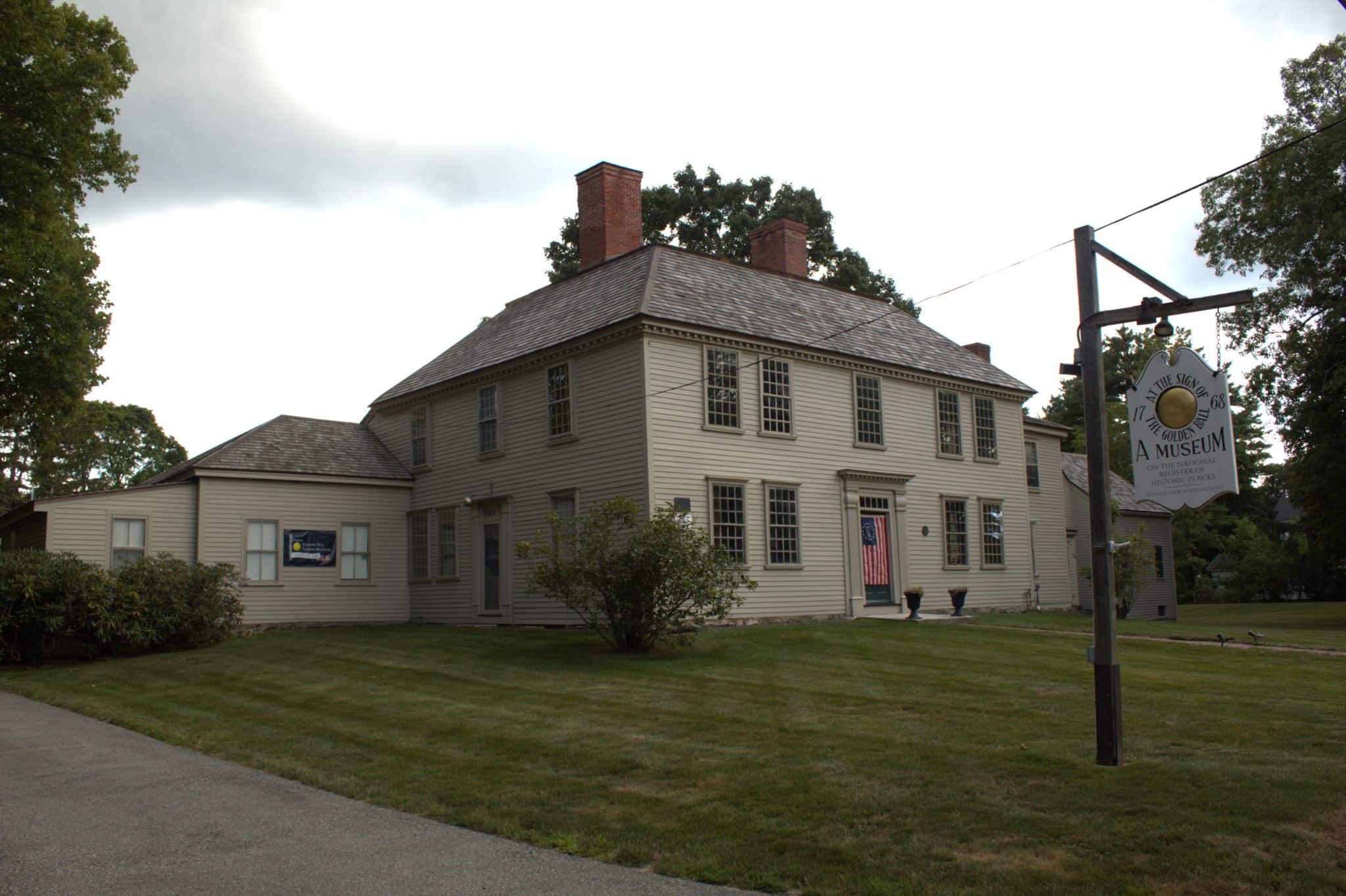
New England is the land of taverns and Weston is no exception.
Two of those taverns still stand on Boston Post Road. The Golden Ball Tavern still invites visitors inside, although it is offering education instead of food and drink.
The museum shares the experience of the Joneses, a loyalist family in Massachusetts on the eve of the American Revolution. Executive Director Katharine Campbell said sharing the lesser-told side of history opens the door for conversations about the era’s political nuance.
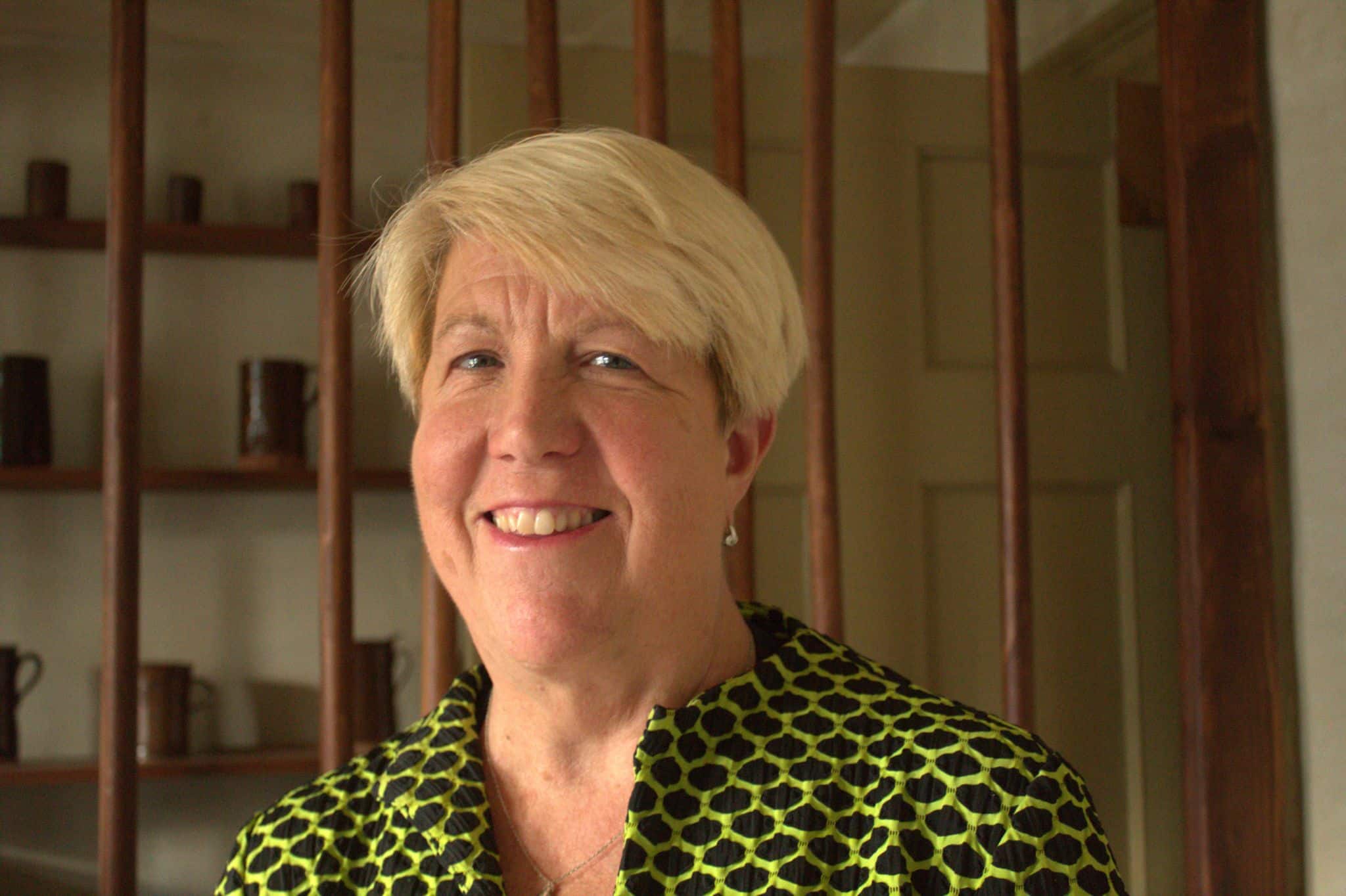
“There’s not just black and white; there’s a whole heck of a lot of gray,” Campbell said. “Weston in the late 18th century was very gray. A lot of people were trying to figure out where they were.”
Isaac Jones built the tavern in 1768. Jones was a loyalist and served tea to his guests even after the Boston Tea Party in 1773, a fact that angered the town’s growing patriot population. Four months later, in March 1774, residents broke the windows of the tavern, stole liquor and terrified the Jones family. The children hid in the attic.
According to Campbell, Jones’ defense was that he had purchased the tea from the Dutch, not the English. He continued to sell it and later hosted British spies in his tavern. Over the course of the war, his allegiance seemed to change. At the very least, he worked for the patriot cause, hauling supplies to French allies in New York.
Today, the tavern looks similar to what visitors would have seen if they stopped in during the Revolutionary period. Playing cards are strewn across the table near the bar. Carpeting and wallpaper hint at the wealth of the Jones family. Bedrooms show both the personal life of the family and what travelers would have experienced if they spent the night.
While the museum focuses on Revolutionary-era history, the Jones family lived there for six generations. After the last homeowner, Ralph Frost Jones, died, the building became host to a group of history-minded residents. They repaired the house and made it into a museum.
“It was essentially a social club. It was a bunch of rich, white people who were very interested in history,” Campbell said. “They were very civic-minded. They wanted it for the town of Weston. They wanted people to know what it was, who lived here and the importance of the Jones family in the Weston story.”
In addition to telling the story of the Jones family, the museum has a rotating exhibit focused on different aspects of the Revolutionary era. The current focus is on those who did not benefit from the war–namely the Black and Indigenous people of the region.
The exhibition, “Lost Liberties–Broken Promises,” explores those underrepresented stories, as well as those of the loyalists and Weston veterans on the losing side of history. It is funded by a Mass Cultural Council grant program focusing on the 250th anniversary of the American Revolution.
Campbell said it felt like a good fit for a museum that already focuses on a point of view that is not often the focus of historical education.
“I want to explain who the loyalists were and how they navigated the American Revolution, as well as those people who also didn’t benefit or were put in a worse spot … by the skirmish that was happening in the 1770s,” Campbell said.
She added that she wanted to highlight the history of the Nipmuc people. When Campbell came to Weston, she said she was told there was no Indigenous history in Weston. The records say otherwise. Several marriages of Nipmuc couples were officiated in Weston churches. Campbell said this is a product of tribal members acquiescing to colonial life.
“Keep in mind that Indigenous people had to give up their own culture and religion in order to survive or prosper,” she said. “In order [for a couple] to be recognized, they had to be married in a church.”
Campbell believes teaching the history of the American Revolution is important because it gives people an understanding of how this country came to be. She hopes people can find comfort in history during the current political discord.
“Everything is cyclical and we are more and more in that time period again,” she said. “You can learn from the past and make better choices.”
The Golden Ball Tavern is open Thursdays from 10 a.m. to 4 p.m. and on the second Sunday of every month from 1 to 3 p.m. Information about talks and other events can be found at goldenballtavern.org.
Author

Related Articles

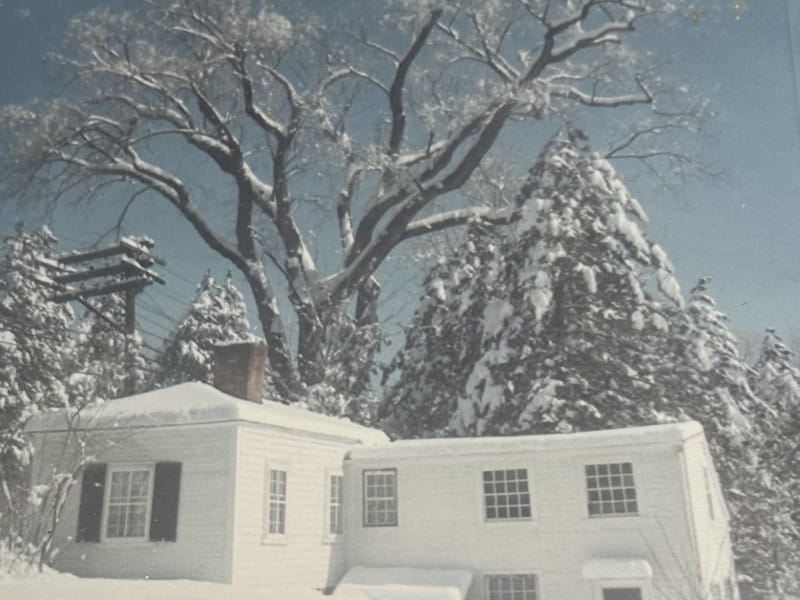
Rooted in history: Weston’s Burgoyne elm
For centuries, the Burgoyne Elm stood vigil over Boston Post Road.
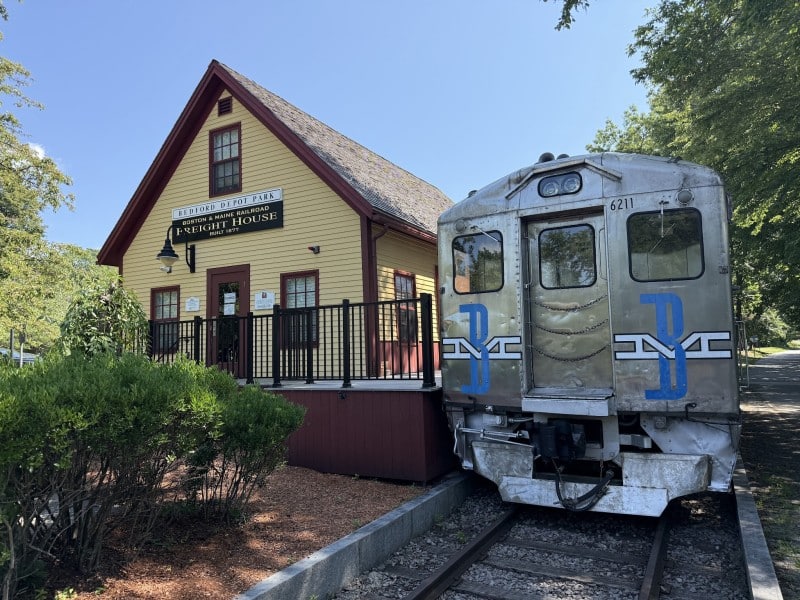
All aboard! Weston Depot is new chapter in railroad history
While the effort to restore the historic Weston Depot is a relatively new endeavor, the process behind it is on a similar track as restorations in other towns.