
All aboard! Weston Depot is new chapter in railroad history
While the effort to restore the historic Weston Depot is a relatively new endeavor, the process behind it is on a similar track as restorations in other towns.
While the effort to restore the historic Weston Depot is a relatively new endeavor, the process behind it is on a similar track as restorations in other towns.
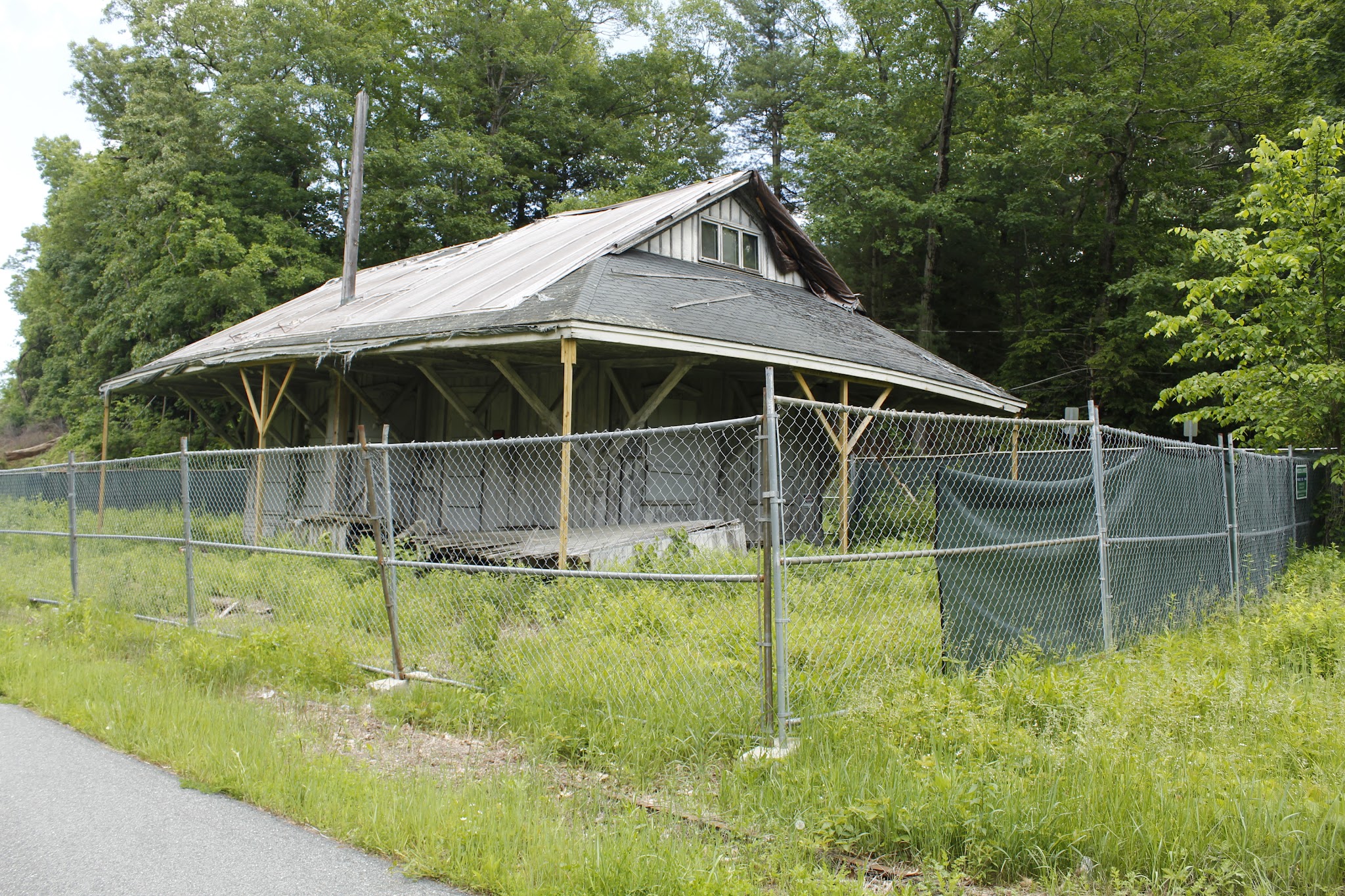
The Weston Depot was constructed in 1881 for use by the Central Massachusetts Railroad, which connected passengers and freight from Boston to Northampton. The station remained in passenger operation through 1971 and in freight service until 1980, after which it fell into disrepair. The building was included on Preservation Massachusetts’ 2022 Most Endangered Resources List.
The Friends of the Weston Depot, formed in 2025, took ownership of the station on Dec. 30. After holding a public forum and conducting a survey of residents, the Friends are now in the process of determining the next steps for the historic building – and there are plenty of examples around the region.
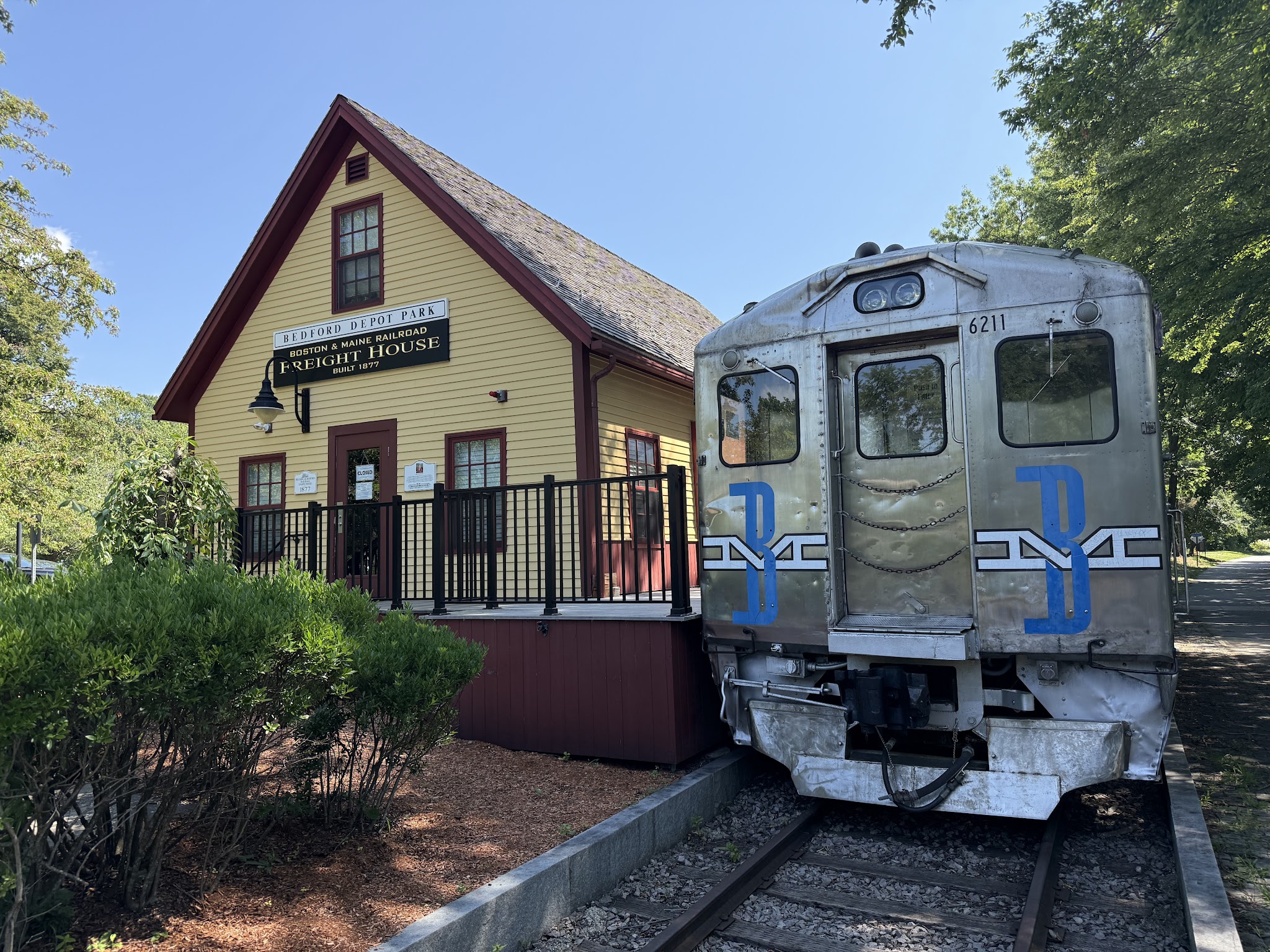
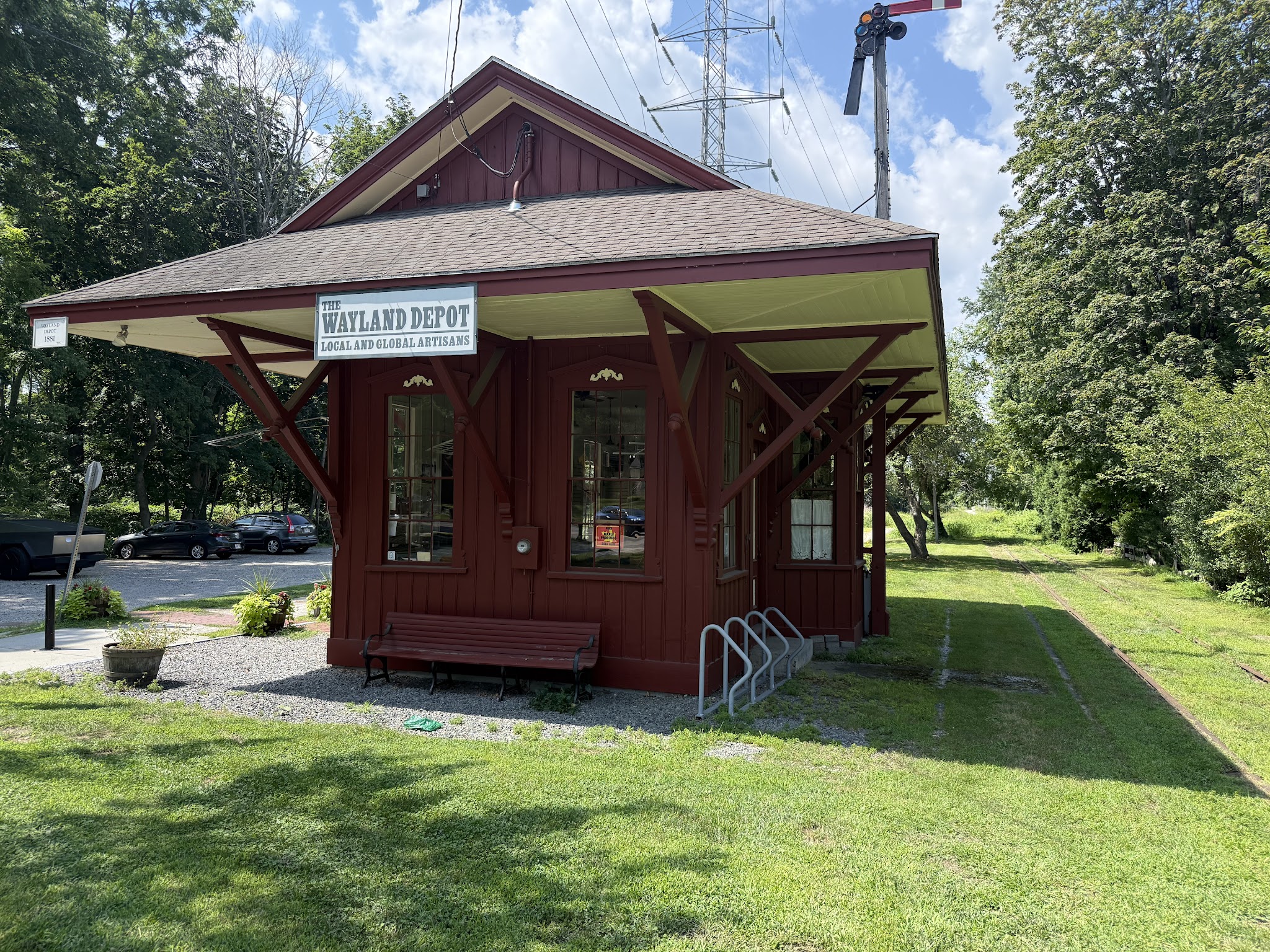
In Bedford, a group of residents rallied the town to purchase that town’s historic depot and freight house, creating the Bedford Depot Park, a trailside amenity for the Minuteman Bikeway. Just over the town border in Wayland, the Wayland Depot, which abuts the Mass. Central Rail Trail, has served as a consignment craft store for 46 years.
Beyond the borders of Middlesex County, historic train depots across New England have been restored and stewarded by historical societies or citizen groups. In New Hampshire, the Cheshire Railroad Depot and Contoocook Railroad Museum are two examples of many.
Why have groups of residents taken to town meetings and pursued fundraising efforts to restore these depots? Experts, including those who now care for their communities’ depots, say it’s about creating a connection to a time in history where significant economic and cultural change was about to begin, thanks to a new, more-accessible travel method.
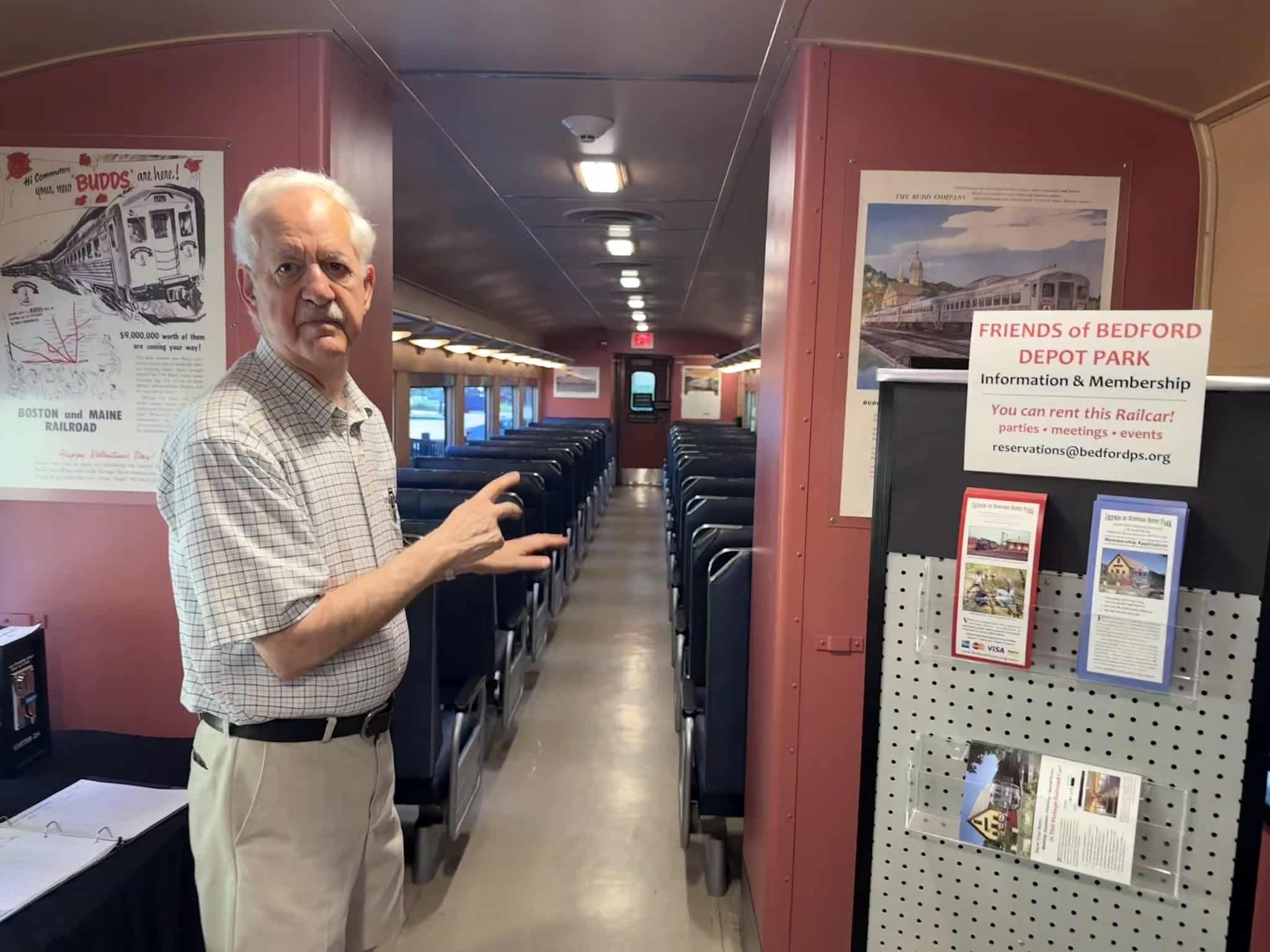
“There hadn’t been a major advancement in land transportation for hundreds of years…Every town realized they needed to have a railroad connection to the outside world,” said President of the Friends of Bedford Depot Park William Deen.
Railroads, he added, facilitated travel, allowing people to venture farther and more easily , which accelerated the spread of cultural changes, while, of course, transforming the economy.
“They are modest buildings, but they were very important to the community,” he said.
Richard Conard, the interim chair of the Wayland Historical Commission, said train depots in their heyday from the late 19th through the early 20th centuries were a “focal point for activity,” as the stations were a meeting point for folks getting on and off the train, as well as a delivery tool for newspapers and telegrams.
“There’s a lot of historical interest in railroad stations,” Conard said. “It was an important part of the town’s history. Many people took the trains to commute on…I grew up in Wayland, and I used to ride the commuter train into Boston.”
While the style, use and history of each depot is different, each effort is tied together by a common thread: dedicated resident groups.
Wayland’s efforts to restore its depot and freight house kicked off half a century ago, when the town purchased the building and the land around it in 1970. From there, Conard explained “a lot of the restoration work was done by volunteers,” with a group lobbying the town to allow a consignment shop to be opened in the space, which has flourished since 1980.
“The town has used its own funds to put a new roof on the building a couple of times, do other work – carpentry, electrical, etc. over the years – but the nonprofit gift shop generates some of the revenue that used to maintain some of the building,” Conard said, adding that some shop proceeds are donated to community groups.
The Wayland Depot is a similar style to Weston’s, but Conard noted there are some differences. Wayland had separate buildings for freight and passenger service, while Weston’s combined both functions in the same building. Location, too, is a factor in both depots’ restorations, as Wayland’s building is “right smack in the center of the town,” while Weston is a little bit of a walk from the Town Green, with limited parking.
The other major difference, and one that is likely holding up additional progress on the Weston Depot, is the ownership of the land. The Friends of the Weston Depot own the structure, but the MBTA owns the land, and Alicia Primer, a member of the Friends, said negotiations are continuing.
Progress could be coming, though, as language in the state’s approved fiscal year 2027 budget compels the MBTA to “enter into a lease agreement” by Oct. 1. Primer thanked Rep. Alice Peisch and Sen. Michael Barrett for their continued support in moving the depot forward.
A bit further afield, the Bedford Depot Park is a small complex at the northern terminus of the Minuteman Bikeway featuring a restored depot leased to private businesses, a freight building/museum serving refreshments, a restored rail car and a seating area for trail users.
Deen, a longtime Bedford resident who wasn’t directly involved in the original restoration efforts, said a concerned group of residents came together to restore the historic structures in the area. Over the course of 15 years, the two buildings were rehabilitated and a train car that ran through the town was brought in. The Friends of the Bedford Depot Park has swelled to more than 200 members.
This historic complex – now adjacent to new businesses and apartments that Deen said would likely not be there if dilapidated structures were present – began with an idea of only installing a sign to commemorate the history, but growing resident buy-in, which brought funding, helped bring it to fruition.
It also helped, he added, that the original members of the Friends took advantage of the Intermodal Surface Transportation Efficiency Act (ISTEA), affectionately known as the “Ice Tea Act,” to the tune of a $1 million grant.
“It’s a bit of a miracle when an 1870 frame building is still around,” Deen said.“We went from a sign to a vision of what it could be all put together. We’ve been very fortunate from the beginning to have support.”
Author

Related Articles

Land’s Sake Farm welcomes new executive director
The fields at Land’s Sake Farm sing to Eden Leonard. That’s how the new executive director of the non-profit described her first time on the grounds.
Keeping Weston beautiful, one cleanup at a time
What started as an individual effort from one family in 2024 to clean up conservation land near their home, has now turned into a growing effort to Keep Weston Beautiful.