
History Corner: Religious freedom? Separation of church and state? Not in early Weston
Pam Fox explores the history of church and state in Weston.
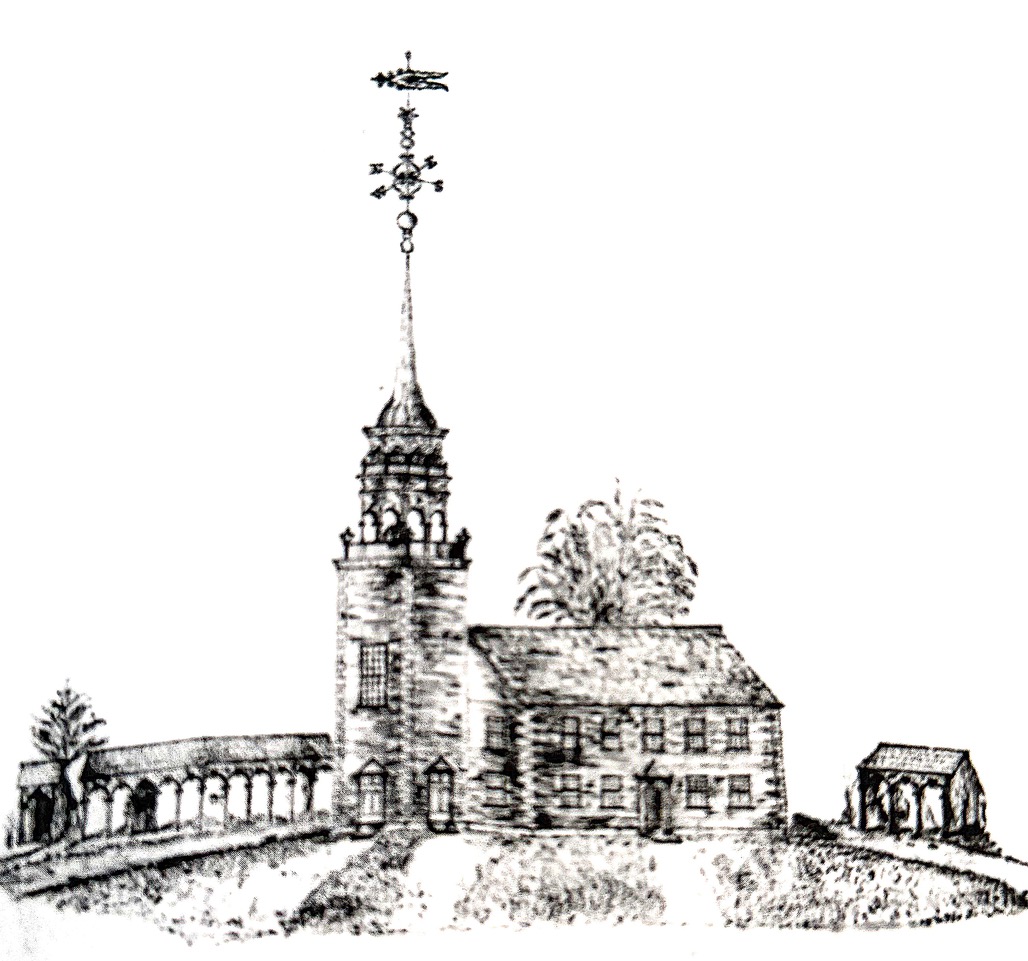
Were the early settlers in the Massachusetts Bay Colony free to practice whatever religious beliefs they preferred? One would think the answer would be “yes,” given that the Puritans left England to escape religious persecution. They sought to establish their own religious commonwealth with their own specific laws and practices, without interference from the Church of England. Although they sought religious freedom for themselves, the Puritans were intolerant of those with different religious beliefs. Dissenters were persecuted or banished.
Though today we think of “separation of church and state” as another foundational right, there was no such separation in early Weston. In his History of the Town of Weston, Col. Daniel S. Lamson devoted his first chapter to the “ecclesiastical origin of the town.”
“In those early days there was but one church, but one congregation around which the settlers gathered, and paid their tithes for the support of the gospel. All things pertaining to the church were voted at Town Meeting … as solid a union of Church and State, while it lasted, as ever existed in the old country.”
For example, in 1799 the town appropriated $300, the equivalent of about $8,000 in today’s dollars, plus 20 cords of firewood, for the salary of Rev. Samuel Kendal. And the following year, town taxes were used to add a bell tower to the meetinghouse.
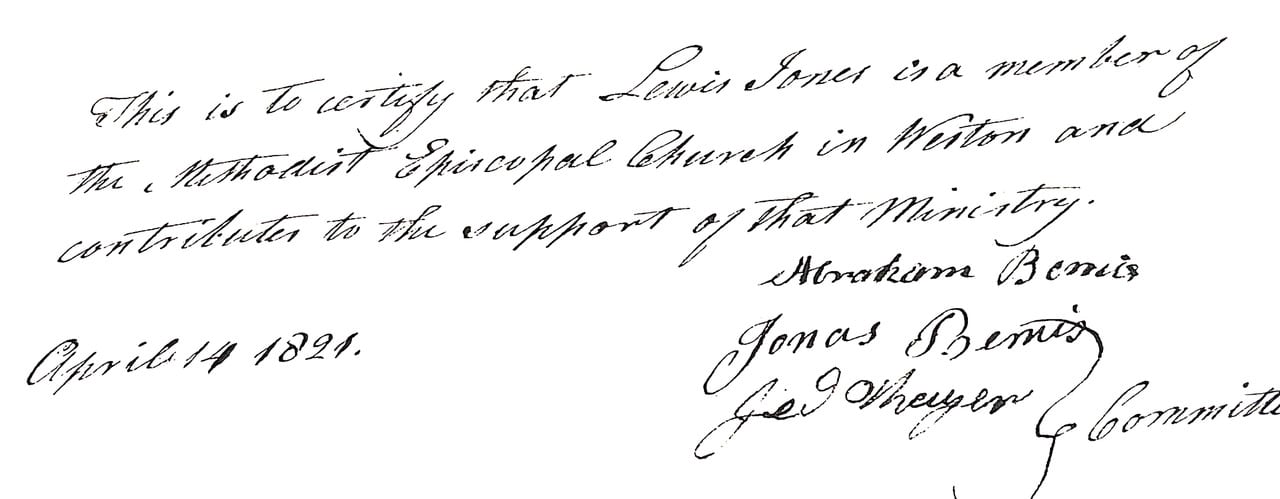
Meanwhile, two new religious groups emerged in the late 18th century: the Baptist Society in 1776 and the Methodist Society in 1794. But town tax dollars continued to support the town church — now known as First Parish — until 1825, despite protests from both Baptists and Methodists. Those who wished to avoid paying taxes to support First Parish had to file for an exemption stating their financial support for their own congregation.
Under the leadership of Rev. Dr. Joseph Field, minister from 1815 to 1865, First Parish weathered two major challenges. The first was ecclesiastical. In 1825, the American Unitarian Association transformed the liberal reform wing of Congregationalism into a separate Unitarian denomination. That year, First Parish became a Unitarian congregation when members formed an independent Unitarian Society, separate from the town. Weston was one of only 15 churches in the state where the embrace of Unitarianism did not lead to a split and formation of a separate church.
The second challenge was the financial restructuring necessitated by First Parish’s separation from the town. Not surprisingly, voluntary contributions from members were harder to collect than compulsory taxes!
In 1833, in a final resolution of objections to paying taxes to the church, Massachusetts adopted the 11th Amendment to the state Constitution, severing the connection between church and state.
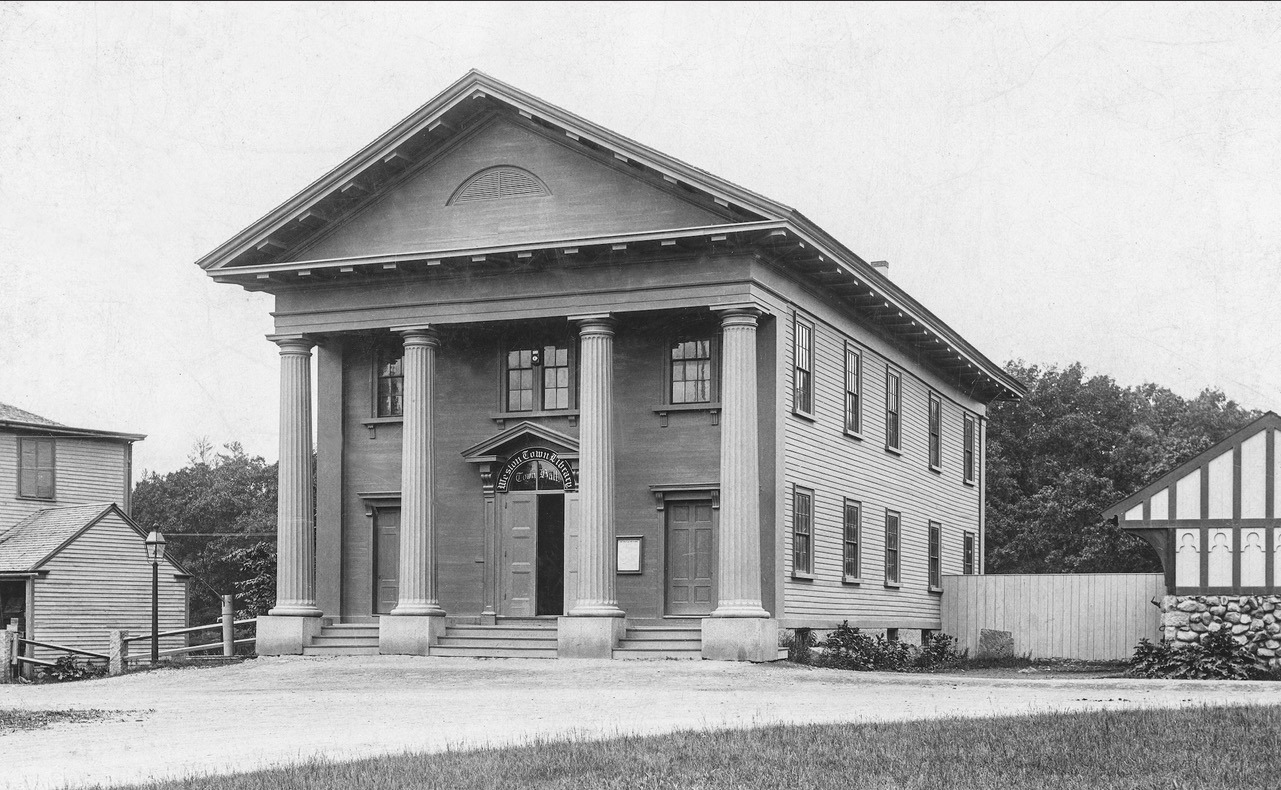
But in Weston, the separation was not fully complete until 1840, when First Parish decided to build a new church building. Town meetings had always been held at the church. Town leaders offered to pay the cost of a large basement room at the new church where town meetings could be held, with rooms for the selectmen and town assessor. Although voters approved the plan, the church basement room was never built. Luckily, the nearby tavern built by Josiah Smith had recently closed. Town meetings were held in the tavern’s second-floor ballroom until the first Weston Town Hall was constructed in 1847.
Author

Related Articles

Backyard Naturalist: Tree swallows herald fall’s arrival
Such is the life of a tree swallow: filled with beauty, alive with frenetic activity and fraught with endless uncertainty. Carpe diem.

Ideas in the Making at the AIC: Watercolor: flowing color and infinite possibilities
Water meets pigment, pigment meets paper, and magic happens on the page. That’s the quiet alchemy of watercolor — a medium simple in its ingredients and boundless in its results.

History Corner: Light in the Colonial dark: The Magic lantern and Declaration Day
When visitors arrive at the JST for Declaration Day festivities on Sunday, Sept. 13, they will experience a form of entertainment that predates film, photography, and the Tavern itself: the magic lantern show.