
Ideas in the Making at the AIC: Watercolor: flowing color and infinite possibilities
Water meets pigment, pigment meets paper, and magic happens on the page. That’s the quiet alchemy of watercolor — a medium simple in its ingredients and boundless in its results.
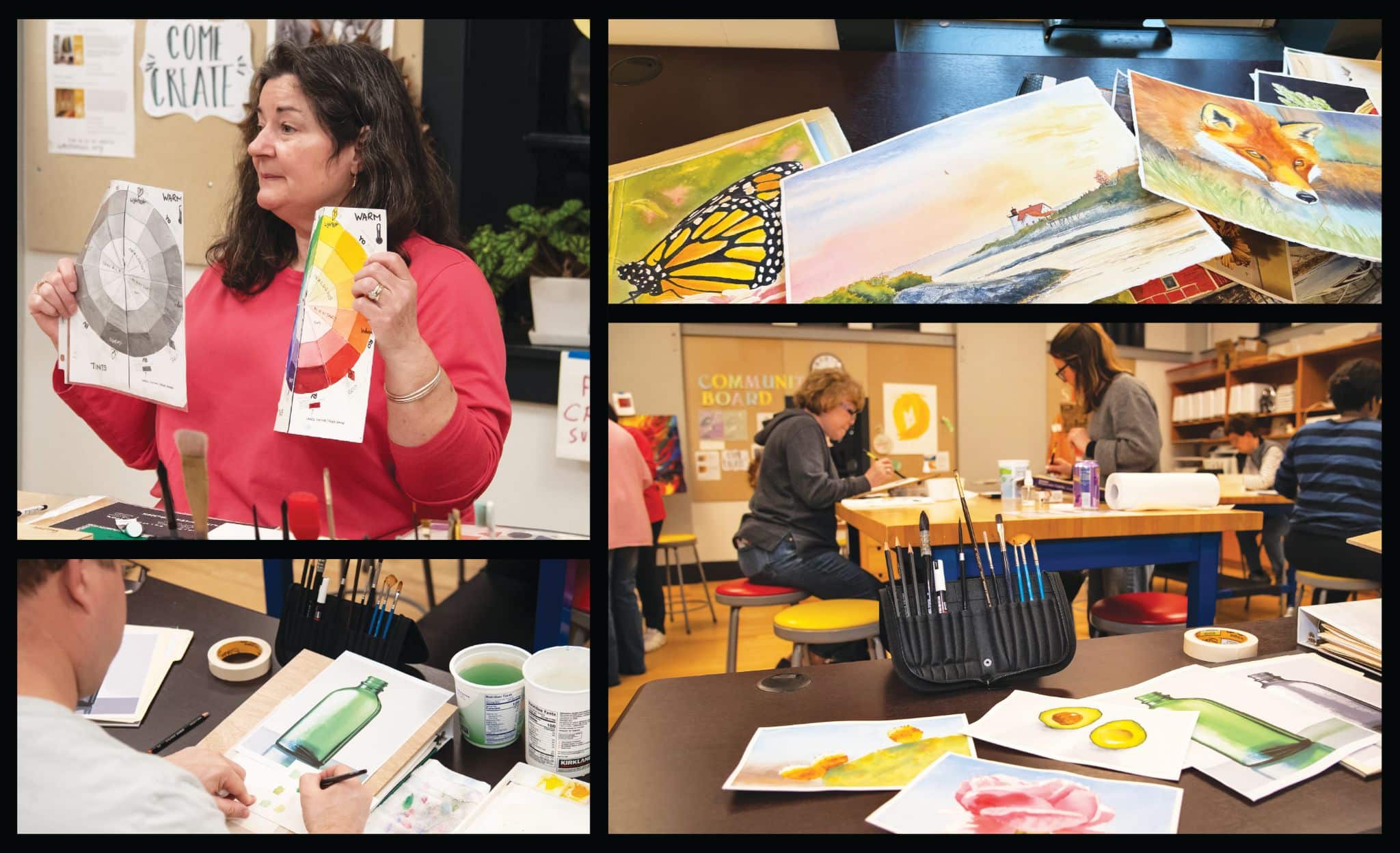
Water meets pigment, pigment meets paper, and magic happens on the page. That’s the quiet alchemy of watercolor — a medium simple in its ingredients and boundless in its results.
Watercolor is a transparent form of painting. Light doesn’t merely strike the surface — it passes through the pigment, bounces off the white paper beneath, and radiates back toward the viewer. The effect is a distinctive luminosity, paired with a repertoire of marks — blooms, washes, granulated textures, soft-edged bleeds — that reward both precision and happy accident.
Watercolor’s lineage as an art form stretches back millennia, winding through illuminated manuscripts and early cartography long before anyone called it “fine art.” Its quick-drying, portable nature made it a natural companion for observational sketching, letting painters seize a fleeting subject with a speed oil paint and printmaking could not match.
Albrecht Dürer, the German Renaissance painter and printmaker, became one of the first artists to elevate watercolor into an independent artistic pursuit rather than a preparatory step. His alpine vistas, botanical studies, and animal portraits — most famously, his 1502 hare — fused precise linework with translucent washes, proof that this medium could marry scientific rigor with emotional nuance.
Watercolor’s true foothold arrived in 18th century England, where newly portable cakes of pigment let artists carry their studio into the landscape itself. Painters like Paul Sandby, Thomas Girtin, and J.M.W. Turner expanded the medium’s expressive range until it rivaled oil painting in ambition. In 1804, the founding of the Society of Painters in Water Colours gave watercolorists their first dedicated exhibition space — a milestone that helped cement what is now remembered as watercolor’s Golden Age.
With two major New England exhibitions putting works on paper front and center, this has been a summer made for watercolor devotees.
At the Portland Museum of Art, Winslow Homer: Painter, Etcher (on view July 3 through Oct. 18) reunites the artist’s rarely seen etchings with the paintings and watercolors that inspired them — many not shown together in decades.
Up the Massachusetts coast in Gloucester, the newly reopened Cape Ann Museum is hosting Avery, Gottlieb & Rothko: By the Sea (through Sept. 27). This is the first exhibition to trace how the artists’ shared summers on Cape Ann shaped their work. The show includes roughly 80 pieces from the 1920s through the 1960s, and the range of media tells its own story: early paintings and watercolors from their Gloucester summers sit alongside works on paper and, eventually, the large-scale abstract canvases Gottlieb and Rothko would become known for.
Here in town, many people have a strong appetite to learn more about the medium. Fortunately, the AIC is here to satisfy it. In her beginner and intermediate watercolor series, AIC instructor Sally Meding strikes a balance with her teaching style — building technical fluency while leaving room for individual expression to surface.
Every watercolorist, Meding says, begins in the same place: the fundamentals. Washes, strokes, and a set of foundational techniques anchor the practice, including:
- Wet-on-dry painting — a direct mark laid onto dry paper.
- Wet-on-wet — color introduced onto dampened paper, where it drifts and blooms on its own.
- Spattering — a loaded brush flicked to scatter fine droplets across the page.
Meding starts beginners with wet-on-dry, since it affords the most control before the medium’s unpredictability comes into play. From there, she guides students through brush handling, water control, how light behaves on the page, and basic shape construction — the scaffolding every watercolorist eventually surpasses.
Meding describes watercolor less as a fixed set of rules and more as an open-ended process, one that adapts to whoever’s holding the brush. “It can be very free for students to interpret,” she says. “Some enjoy a looser, more abstract style, while others like to work in a tight, realistic manner.” She cultivates a low-pressure atmosphere, letting students progress at their own pace — many return semester after semester to refine their craft.
Repetition, Meding notes, is where genuine understanding takes root. Revisiting the same techniques again and again gives students an intuitive feel for how form emerges on the page.
That, to Meding, is what makes watercolor so compelling. It offers a reprieve from the noise of daily life — at the AIC, it isn’t merely a class, but a way of locating one’s flow. “Watching students grow into their own individual style is a joy,” she says, “as their personalities begin to emerge on the page.”
Curious what your own voice in watercolor might look like? Join one of Meding’s sessions this fall — learn more at westonaic.org.
Related Articles
Your gifts bring grant dollars to the Weston Observer
On Nov. 1, the Observer launched its second year-end Institute for Nonprofit News/NewsMatch campaign.
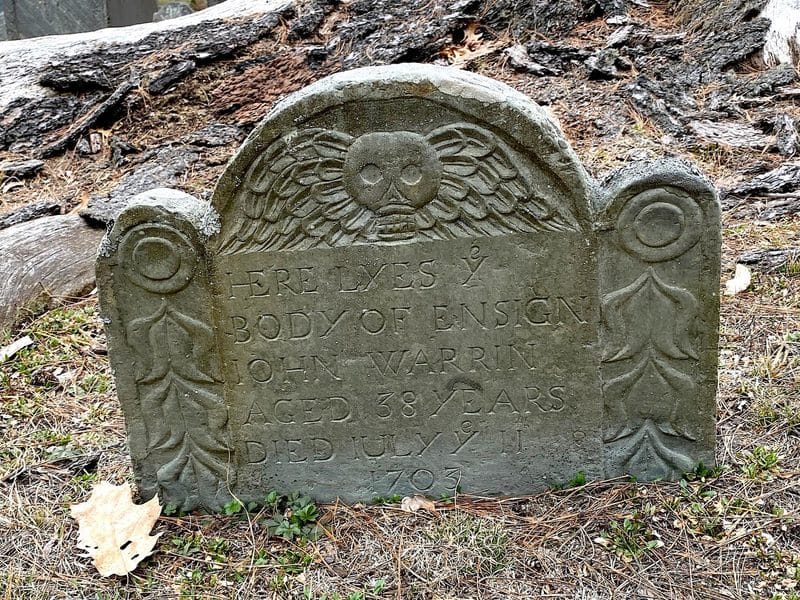
History Corner: No ghosts but lots of history in Weston cemeteries
While October is the time for spooky stories, Historical Society President Pam Fox has never encountered a ghost around town.
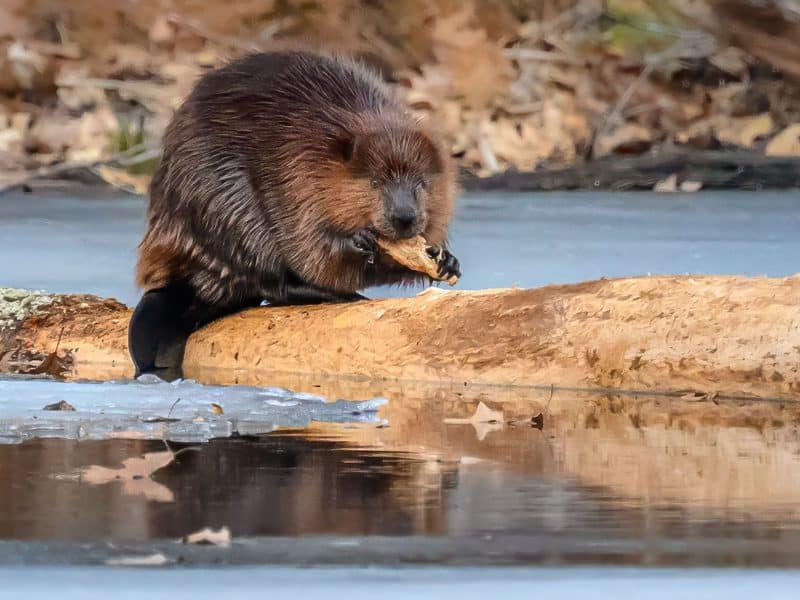
Backyard Naturalist: Beavers: Nature’s Swiss Army knife of tools
As recently as 10,000 years ago, beavers as large as bears thrived across the continent. Now extinct, these creatures shared a common ancestor with your neighborhood beaver.