History Corner: George Washington really did sleep here!
George Washington once spent some time in Weston.
George Washington slept in hundreds of private homes, taverns and inns during the years of the Revolutionary War and later on his three major U.S. tours as president. More than 1,000 buildings across the country have claimed this distinction, which has become a marketing cliché. There is even a 1940s comedy by that name.
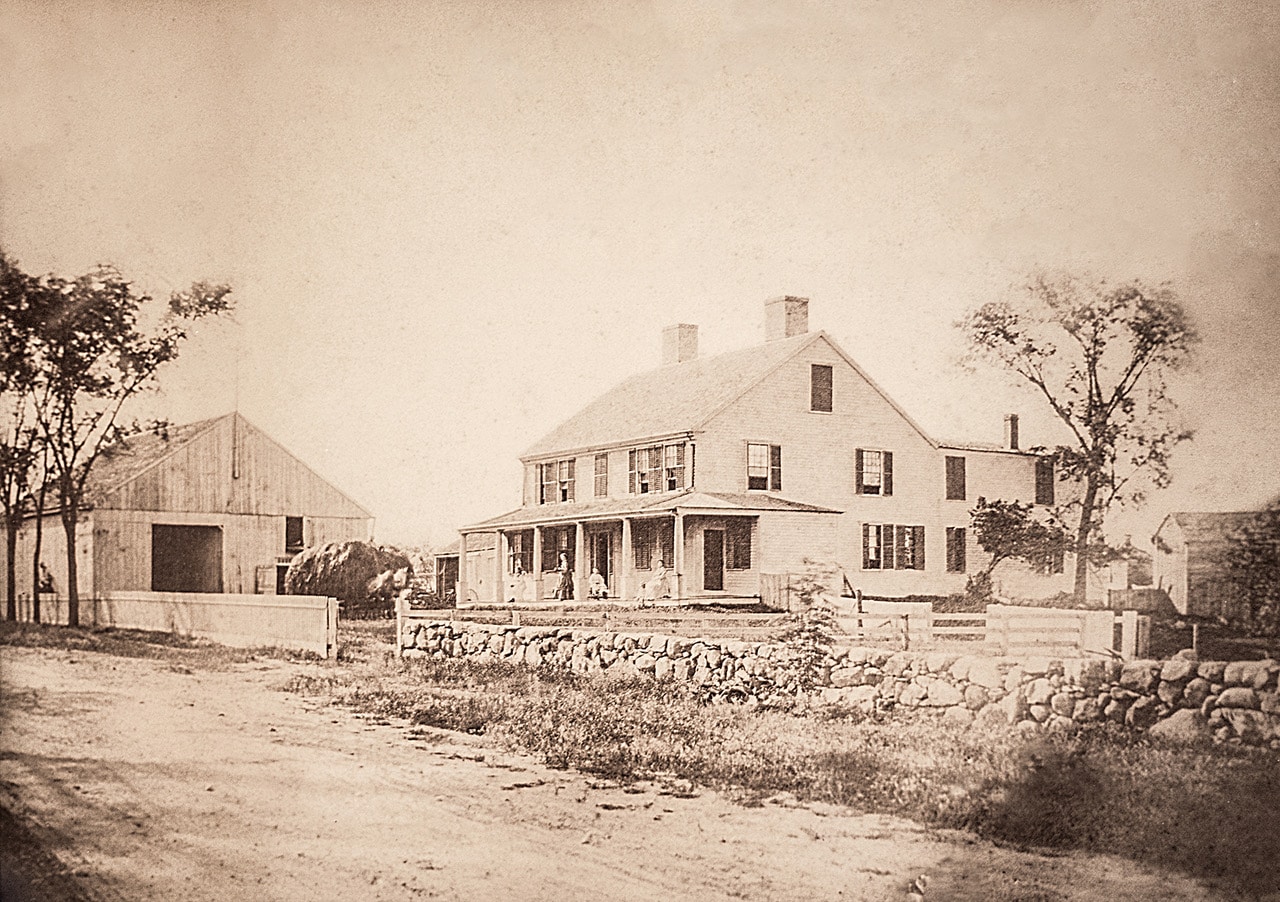
So where did Washington stay on his 1789 journey through New England? Not at the “Sign of the Golden Ball” or Josiah Smith’s tavern– two taverns that still stand today– but rather at the Flagg Tavern, located at what is now 725 Boston Post Road.
Of all the taverns that operated in Weston over the years, John Flagg’s was the most famous in its day. Flagg established the tavern in 1783, the year the war ended and regular stagecoach travel resumed. Flagg’s became the principal stopping place for New York mail coaches.
What did Josiah Smith and fellow innkeeper Isaac Jones think of the new competition? We will never know.
George Washington spent the night there on Oct. 23, 1789 during his month-long, three-state journey to build support for the new federal government. In his diary, Washington writes only that he lodged there, and, in the morning, “Dressed by seven o’clock and set out at eight.”
Fortunately, the Englishman Henry Wansey was more forthcoming with travel details and even described his very substantial breakfast at Flagg’s in his published account: “An Excursion to the United States of America in the Summer of 1794.” Wansey describes the “easy, pleasant, and good road” through Cambridge and Watertown with country houses along the road “framed with timber, weather boarded, sashed, and neatly painted.” After passing through Watham, which Wansey describes as a “straggling village”, the coach stopped for breakfast at the Flagg Tavern:
“We now came to Weston, which is five miles from Waltham, and had brought in for our breakfasts, beef-stakes, coffee, bacon and eggs, and veal cutlets, with toast and butter; the very sight of these things took away my appetite, the weather being intensely hot. Captain Flagg charged us two shillings a head for our déjeune, which we thought dear. We paid the dearer, I suppose, because General Washington had been entertained, and slept at his house.”
Wansey’s supposition that he overpaid because Washington had slept there is an early example of the commercial value that could be gained from a Washington overnight stay.
Another indication of the popularity of Flagg’s Tavern is that Abigail Adams stopped there for dinner on Oct. 5, 1797 on her way from her home in Quincy to Philadelphia; President John Adams also stopped there, this time for a mid-day meal on Nov. 12, 1798, also on his way from Quincy to Philadelphia.
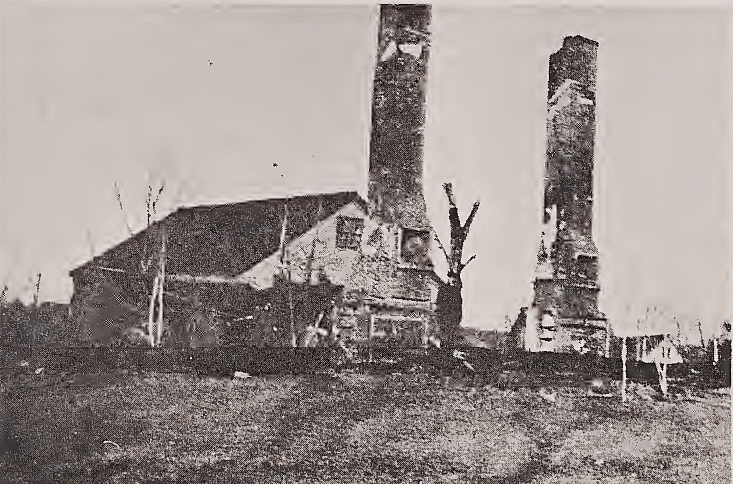
John Flagg operated the tavern into the early 19th century. It remained in business until about 1830, making it among the last of Weston’s taverns to close. By 1875 the former tavern had been purchased by farmer Charles Emerson, whose family still owned it when it burned to the ground in 1902. The two charred brick chimneys weren’t demolished until decades later and, in the interim, served as the principal Weston landmark for early motorists traveling by automobile to New York. The present house at 725 Boston Post Road was built on the site, and the builder made the cellar hole into a swimming pool.
Author

Related Articles
Backyard Naturalist: Keep an eye out for bald eagles feeding in Weston
While they’re not actually bald at all, Backyard Naturalist Michael Pappone loves our national bird.