
History Corner: September 1776: The Declaration of Independence comes to Weston
In Weston, residents first heard the words of the Declaration of Independence on Sept. 8, 1776.
In Weston, residents first heard the words of the Declaration of Independence on Sept. 8, 1776, when the Rev. Samuel Woodward read the missive from the pulpit of the Meeting-House. Express riders had carried copies of the Declaration from Philadelphia to Boston, arriving on July 15. The Provincial Congress immediately ordered the document to be reprinted by a Salem printer in broadside form, with copies sent to the ministers of every parish in Massachusetts. Instructions stated that the ministers were required to read the text to their congregations “as soon as Divine service is ended, in the afternoon, on the first Lord’s Day after they shall have received it.”
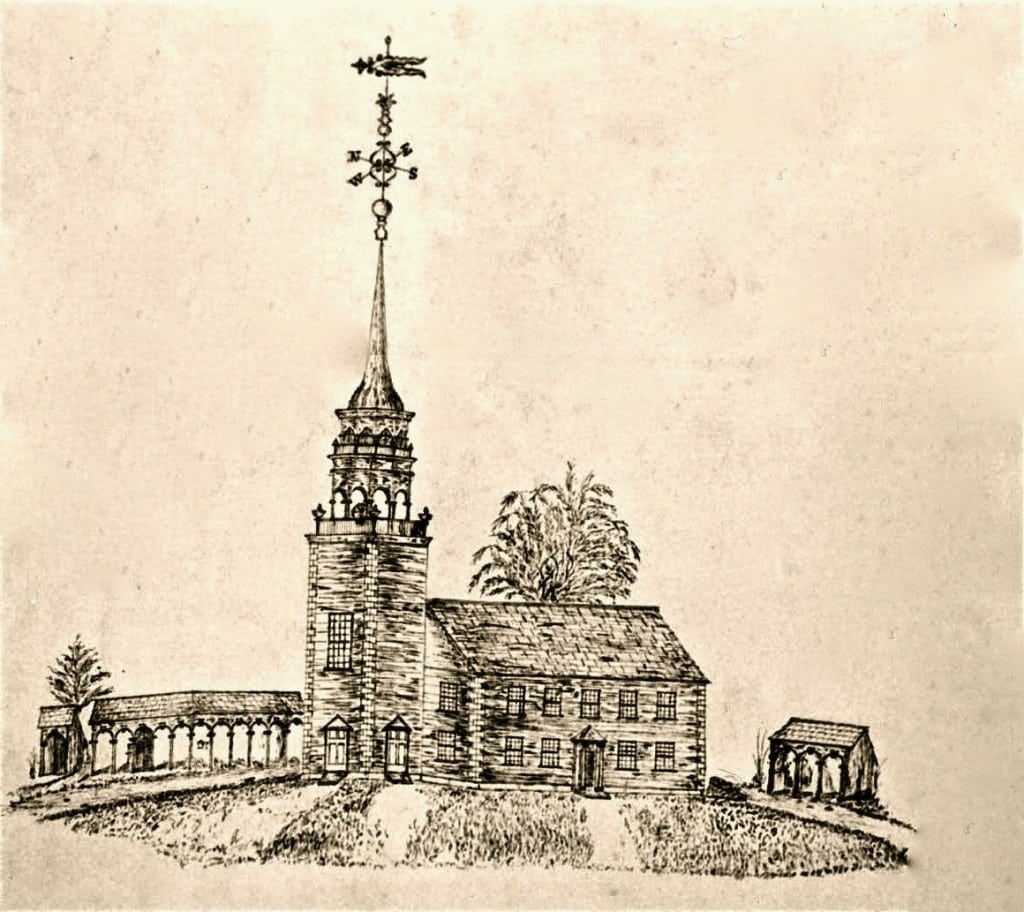
In Weston this reading took place on Sunday, Sept. 8 at the Meeting-House, which at that time looked like a house and doubled as the location for all town meetings. It was located across the street from the present church, on what is now the Town Green.
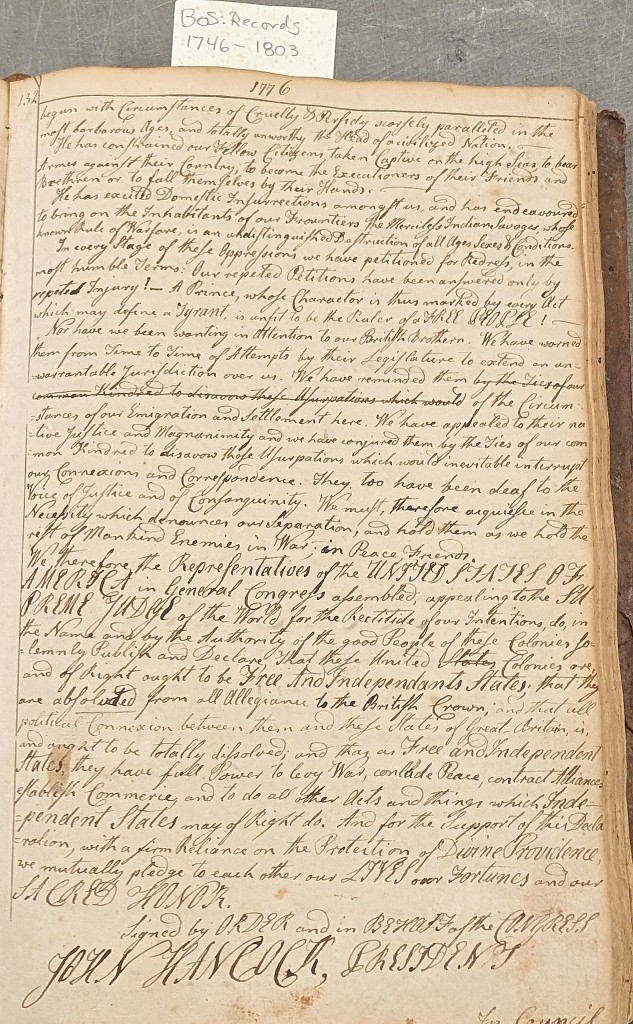
After the public reading, the document was to be handed over to the Town Clerk, who was required to record it in the town record book, “there to remain as a perpetual Memorial thereof.” In Weston, the text can be found in the handwritten Board of Selectmen Records, 1746-1803, located in the vault at Town Hall, and in the printed book of Records of the First Precinct, 1746- 1754 and of the Town 1754 – 1803. The actual printed broadside delivered to Weston in 1776 has not survived, but copies exist in other town archives.
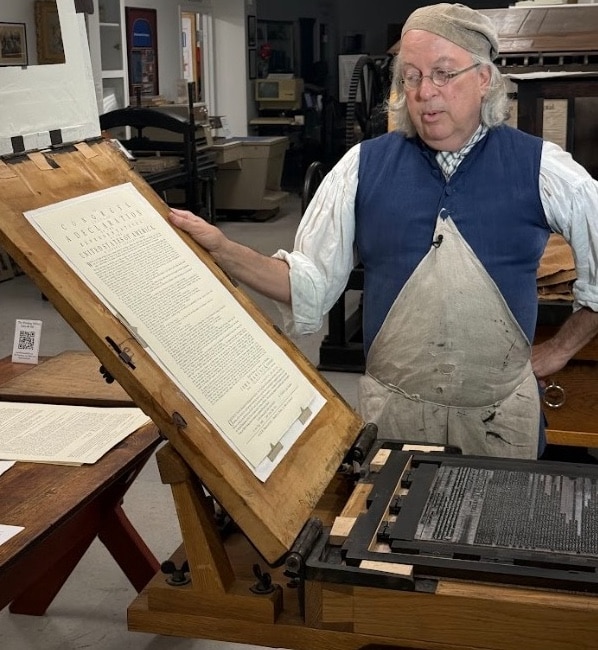
As part of Revolution 250, Massachusetts is printing reproduction copies of the Declaration using 18th-century techniques. A copy of this reproduction will be delivered to all 351 cities and towns before July 4.
To commemorate the reading’s 250th anniversary, a Declaration Day Committee headed by Diana Chaplin and Artemis Willis is planning two events: a VIP cocktail party and reading on Tuesday, Sept. 8, with proceeds benefiting the Weston Historical Society; and a Family
Stroll and Parade on Sunday, Sept. 13. Plans call for tours of the Golden Ball Tavern and a parade led by George Washington and other revolutionary figures down Boston Post Road past the historic Burgoyne Elm site to the Josiah Smith Tavern. Along the way, visitors can enjoy pop-up local food vendors, arts and crafts, and horse-drawn carriage rides, before gathering at the Josiah Smith Tavern for colonial games and a magic lantern show in the JST ballroom — all culminating in a reading of the Declaration of Independence on the steps of the Tavern for all to hear.
1776 is the third year of Revolution 250, which celebrates not only the July 4 signing of the Declaration of Independence, but the struggles throughout the colonies in the years leading to this historic step. In Weston, the most important events took place in two previous years, as Weston residents rejected or embraced ideas of separation from the mother country. These events are chronicled in a series of eight short videos produced by the Weston Historical Society in partnership with the Weston Media Center and in the society’s special Spring 2025 newsletter.
In the next Observer article we will meet some of the leading figures in this struggle: the wealthy and powerful Elisha Jones, a fervent Tory; his cousin Isaac Jones, proprietor of the Golden Ball Tavern, where British spies found a “friend to the government;” brothers Josiah and Bradyll Smith; Josiah’s son Joel, important “Liberty Men;” and Samuel Phillips Savage, called “Weston’s most prominent patriot.” Happenings at the Golden Ball Tavern during these critical years are well told in two exhibits now at the GBT Museum, which is open every Thursday from 10 a.m. to 4 p.m. and on the second Sunday afternoon of the month from 1 to 3 p.m.
Correction: A previous version of this column incorrectly stated when the Golden Ball Tavern Museum is open. It is open on the second Sunday of each month from 1 to 3 p.m.
Author

Related Articles

Backyard Naturalist: The miracle of metamorphosis, or a very hungry caterpillar
Backyard Naturalist Michael Pappone explores the caterpillar metamorphosis process in this week’s column.