Backyard Naturalist: To feed or not to feed?
February is Feedwatch Month. Michael Pappone has tips for feeding birds in your backyard.
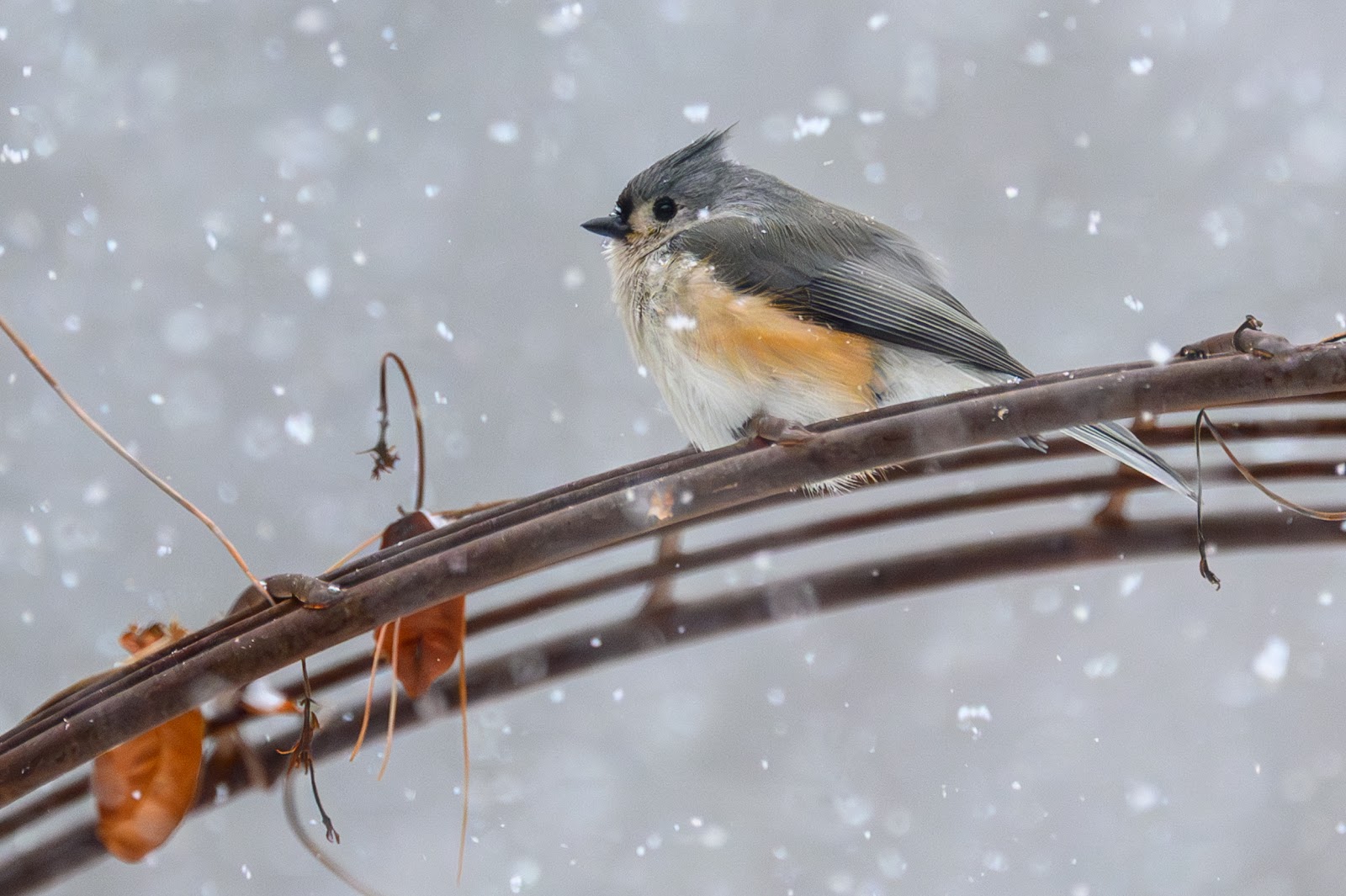
My own suite of feeders consists of a squirrel-proof tube feeder, a double-cake suet feeder and – thanks to my kids’ generosity – a genuine bird-cam feeder that I can monitor all the way from Antarctica. So, what motivates us to hang feeders, to curse squirrels, to shoo away house sparrows and European starlings and to worry that the Cooper’s hawks are going to see our feeder birds as their buffet? Are we concerned that they’re not actually getting enough sustenance in any given season? Or do we just want to attract them for a closer view – so we can more intimately connect with their behaviors and schedules?
I mean, is it more about them or just about us?
This backyard naturalist will readily admit that it’s mostly for my personal viewing benefit that these dozen reliable species of birds are enjoying a cornucopia of treats outside my windows. My feeder-birds play an unwitting role in providing me with a generous dose of ornitherapy, fueling my engine of optimism and reminding me that “I am a prisoner of hope” even in the darkest of times. (Henry Lewis Gates, Jr.)
February is Feederwatch Month, and you can check out feederwatch.org or abcbirds.org/news/birdfeeding-tips/ for more information. What better time to take stock of your own feeder aspirations? Certainly you’ll not be satisfied with your efforts until you score high on feeder protocol!
Herewith a few do’s and dont’s: Unlike our neighbors north of the Massachusetts border, we don’t have to concern ourselves with the risk that our feeders will attract black bears (yet…). But we do want our feeders to be both productive for our dear feathered friends and safe, too.
Feeders produce their best results when they serve up the kinds of food local birds crave. In winter, that means we amp up the fat content – supplying a mix weighted in favor of energy-rich seeds like black-oil sunflower and safflower. If we want our American goldfinches to visit, we hang a tube or sock of nyjer seed. And we recognize that many species prefer to feed on the ground; so sprinkling millet and cracked corn will appeal to the dark-eyed juncos, white-throated sparrows, cardinals – and if you’re really lucky, the occasional fox sparrow. Suet will guarantee you visits from downy, red-bellied and sometimes hairy woodpeckers, along with white-breasted nuthatches and Carolina wrens.
My safety concerns start close to home (literally): I don’t want the mice who thrive on the avian offerings to be caching them all over our basement. Do keep your feeders 50 feet from the house. If your feeder is pole-mounted, install a baffle or a piece of PVC pipe to thwart the super-athletic squirrel raids. My tube feeder is a “squirrel-buster” model from Drumlin Farm’s store.
Site your feeder near shrubs like rhodies or azaleas, where birds can find cover and avoid becoming a hawk snack. Clean your feeder. We’re creating a communal dining zone where communicable diseases like bird flu and West Nile virus can be spread. Every couple or few weeks, unhook the empty feeders, douse them in a one-part bleach, nine parts hot water solution, scrub them and let them air dry before refilling. If you see a sick bird or dead bird, remove your feeder – the birds will not starve. Re-hang it when you hear the “all-clear” message from Mass Wildlife or Mass Audubon.
Keep. Your. Cat. Indoors.
Do have fun watching the displays of avian hierarchy as the blue jays, mourning doves, woodpeckers and black-capped chickadees vie for the choice spots on the feeder perches.
Come spring, we’ll have a look at how to keep your property bird-friendly with native plants and natural pest control. In the meantime, brew a cup of bird-friendly coffee and enjoy the aerial show outside your window.
“Attention is the beginning of devotion” – Mary Oliver, American poet.
Author