
Backyard Naturalist: Welcome spring and the bluest of birds
Backyard Naturalist Michael Pappone is ready to welcome back the bluest of birds this spring.
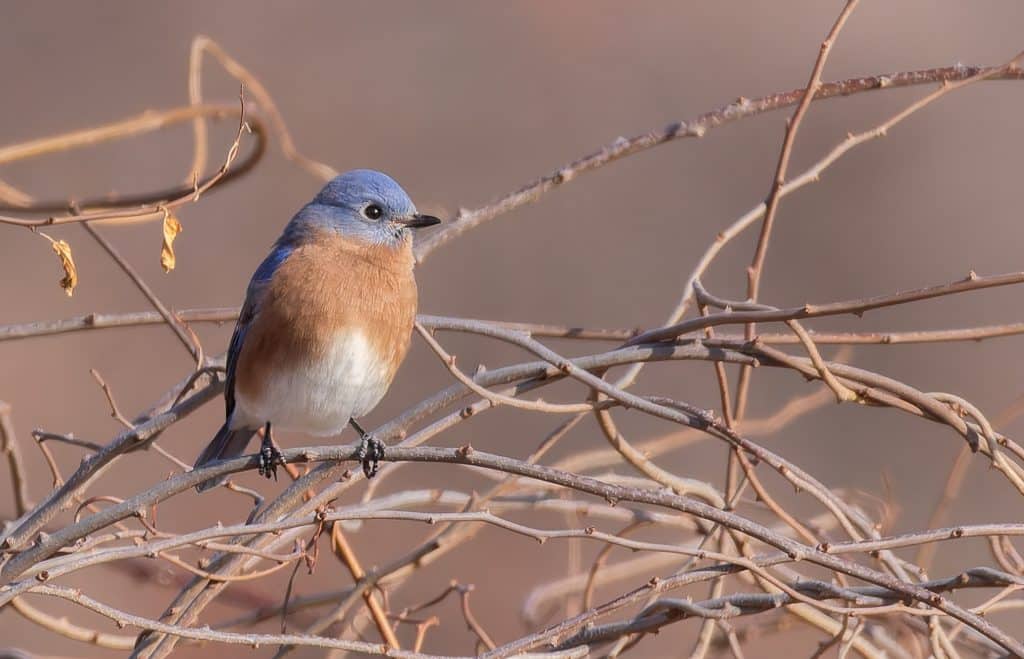
“Is there any sign of spring so welcome as the glint of the first bluebird – unless it is his softly whistled song?” So wrote one of Weston’s own Hillcrest boys in the “The Hillcrest Gardens Book,” 1926, as part of his student project.
The Eastern bluebird (Sialia sialis) has a remarkable comeback-kid story to tell.
Let’s start at the beginning.
The early settlers would have seen our bluebird’s stunning blue color and realized they had encountered a species like none they’d ever imagined. The birds and the early European immigrants prospered side by side as new farmland was cleared, creating just the kind of open habitat this species favors.
Subsequent Europeans arrived in the mid-late 1800s, however, setting off a series of events that nearly extirpated the bluebird from New England. I’m speaking here of the European starling and the House (English) Sparrow. Each had been imported to populate urban parks. Not surprisingly, they used their wings to escape from the city and became fierce competitors for the nest cavities the bluebirds had heretofore treated as their exclusive domain. Layer onto this insult the brutally cold winter of 1895, reversion of farmland to woods, and pesticide contamination of their insect prey, and you have the perfect storm.
Bluebird numbers plummeted by 90%.
Thanks to coordinated efforts – in Weston and beyond – to provide nestboxes in suitable sites and volunteers to monitor/maintain the boxes, this lovely creature has repopulated much of its former breeding range. Your chances of seeing a bluebird have never been better. Start with the unmistakable brilliant blue plumage of freshly molted feathers. Add in their preference for perching patiently at eye level on fences and low branches near open fields. Top that off with their habit of returning to the same nest sites and you have the recipe for getting a good view.
If you haven’t spied a bluebird in your backyard, it probably means you don’t have the environs favored by this species. They must have the open meadow space to hunt in and to nest near. Their feeding technique involves perching on a branch or fence 4 to 20 feet above the ground. When they find an insect of their liking below, they swoop down and grab it in their beak.
In colder months, with no insects to hunt, they’ll search for berries, and bless me with an occasional visit to my berry-flavored suet mix. If you can offer them fresh mealworms, they’ll be your best friend forever.
The signature blue of our bluebird guarantees its “bird-of-the-day” status on many a bird list. But don’t be fooled: this bird’s feathers contain absolutely no blue pigment whatsoever. The trick? The feathers contain a special spongy layer with minuscule air pockets arranged to match the wavelength of the blue spectrum in sunlight. The result: a unique structure that permits only the blue rays to be reflected. Optimal color is important to a species when the mate he’s trying to attract can even see rays on the ultraviolet spectrum.
If you want to attract bluebirds, start with plenty of pesticide-free open space – and no starlings or house sparrows around. You’ll do best if you erect more than one box and if it is spaced 100 yards from the other boxes, to prevent conspecific fighting amongst bluebirds. Be prepared to monitor the boxes throughout the breeding season to discourage interlopers and parasites–and don’t forget to clean them between seasons.
Please enjoy “…the bird that carries the sky on its back and the earth on its breast.” John Burroughs, American naturalist, circa 1900.
Author

Related Articles
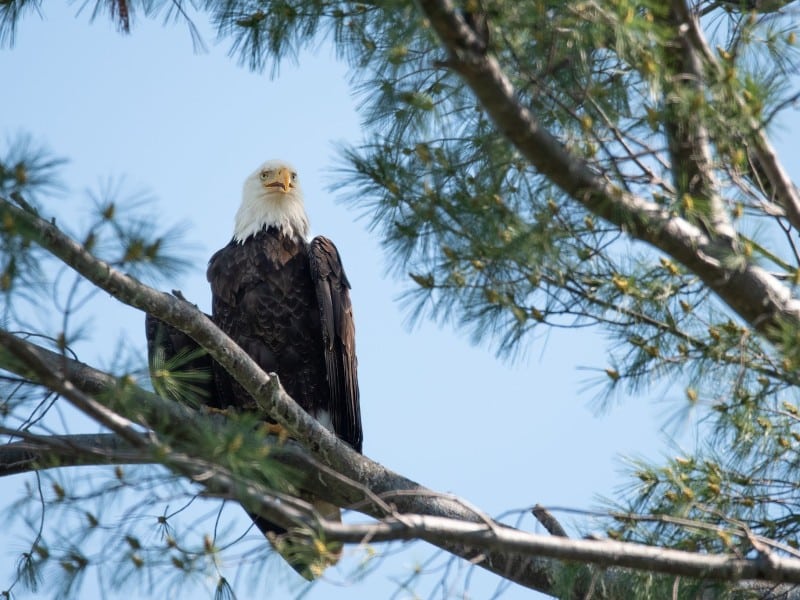
Backyard Naturalist: Keep an eye out for bald eagles feeding in Weston
While they’re not actually bald at all, Backyard Naturalist Michael Pappone loves our national bird.
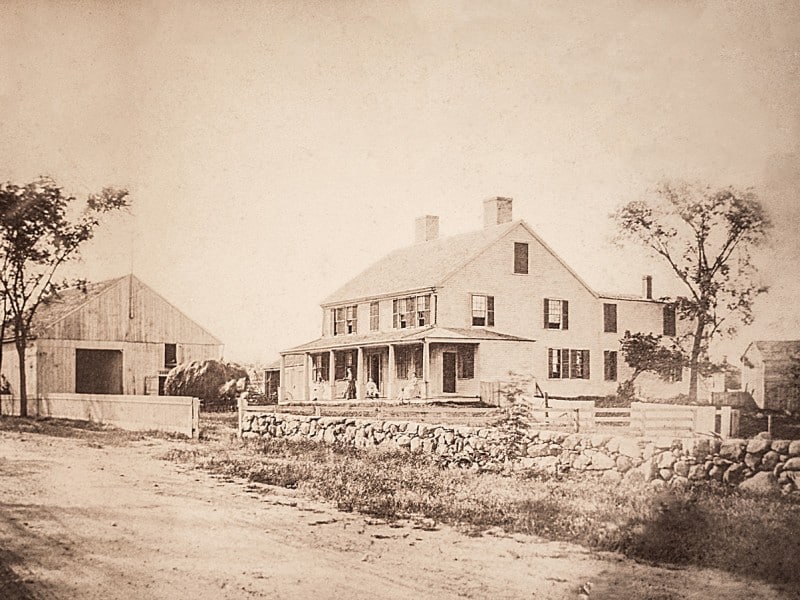
History Corner: George Washington really did sleep here!
George Washington once spent some time in Weston.