
Backyard Naturalist: Make way for red-tail hawks
To Michael Pappone, nothing says “free as a bird” quite like a red-tailed hawk soaring overhead on a sunny day.
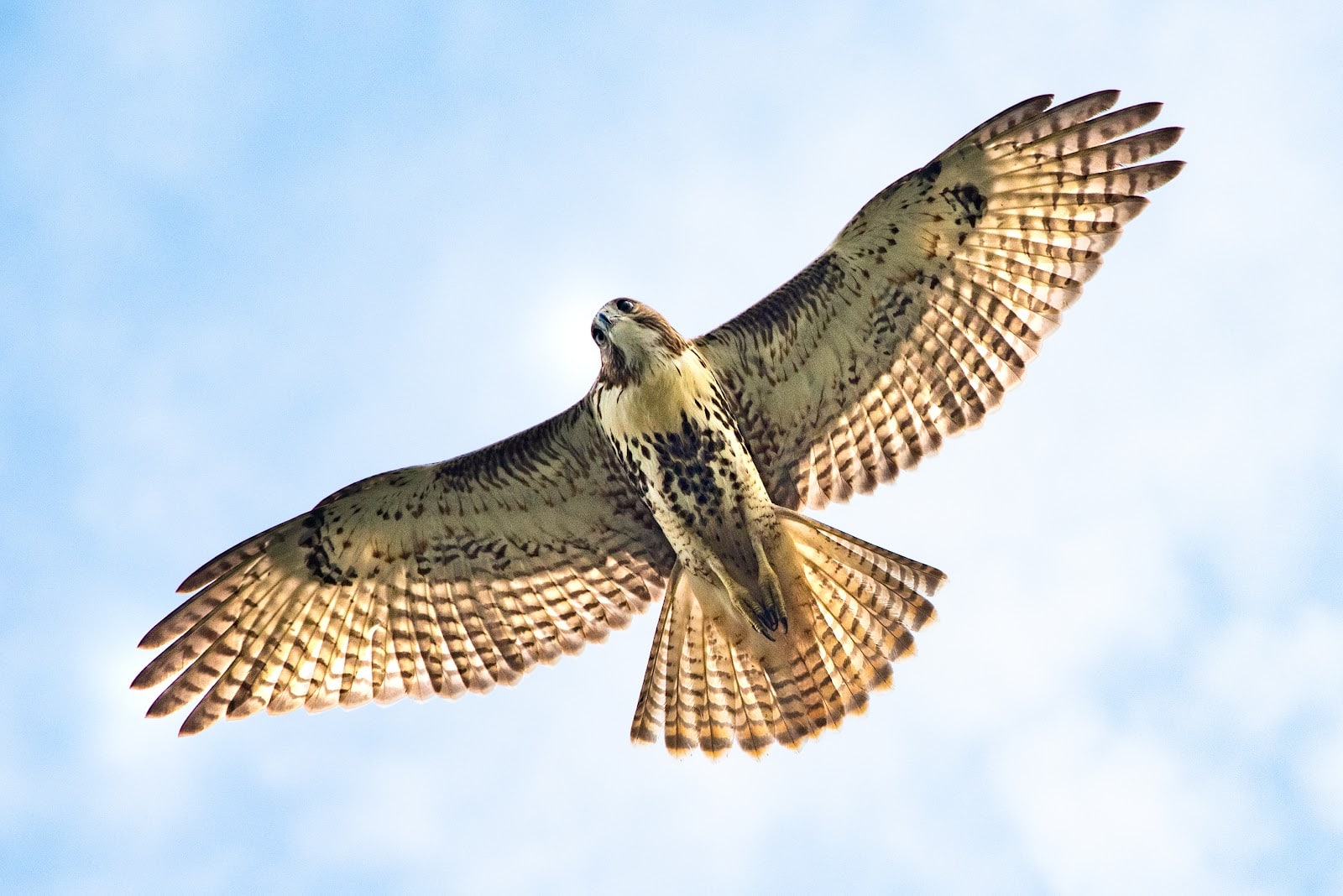
Nothing says “free as a bird” quite like a red-tailed hawk soaring overhead on a sunny day. But this bird –the largest of our breeding hawks– didn’t always enjoy such clear sailing. This species (Buteo jamaicensis) survived two major population crashes in the last century. The first resulted from ruthless shooting and trapping by farmers who mistakenly believed that the red-tails lived off their chickens; the second crash was caused by continued human persecution, exacerbated by habitat loss and wanton use of pesticides that poisoned its natural prey species.
Even now, our raptors face a panoply of threats: poisons like second generation anticoagulant rodenticides (SGARs), collisions with wind turbines and aircraft, electrocution on power lines and nest predation by great horned owls. Save Weston Wildlife (see Facebook page) and other groups across the state are working to eliminate SGARs, which have been found in the majority of dead red-tails, as well as sick ones brought in for treatment at wildlife rehabilitation facilities. Our big birds (two feet tall, weighing two to three pounds) annually consume some 1,500 rodents – notorious for their prolific breeding – and play a key role in protecting our gardens from the likes of the eastern cottontail rabbit – a favorite menu item for the red-tail.
Right now, your neighborhood pest-hunters are busy forming or reinforcing their pair bonds. They’ll be found soaring together, legs dangling and talons occasionally interlocked, with show-offy males swooping up and down in their sky dances. Bonded pairs will be scouting the edge of the woods for the perfect nesting site three to 10 stories above the ground. Usually, a pair will revisit nests built in recent years, often remodeling one or more with fresh twigs, greenery and lining materials – as well as building a whole new nest – before moving into one of them.
Starting in mid-March, red-tails across the commonwealth will lay two to three eggs and settle in for a month-long incubation period. The female is the larger of the pair and will take charge of the incubating eggs. The smaller and more agile male will focus on hunting. The female will take periodic breaks of an hour or so while the male cuddles up with the eggs.
The young hatch asynchronously, increasing the chances of survival by reducing exposure to the risk that one mishap will doom them all at the same time. As the chicks grow, the male redoubles his workload as primary hunter, making 10 to 15 prey deliveries a day. He’ll favor the largest readily available prey during this period to supply his growing family and satisfy his own metabolic needs. The chicks fledge six to seven weeks after hatching, and are on a fast track to their ultimate adult sizes. They’ll learn to be patient, sit-and-wait predators, scanning the open ground from their elevated perch sites, hoping to get the jump on that distracted cottontail. As highly-adapted generalists, they are willing to settle for such diurnal prey as squirrels, voles, mice, reptiles and amphibians. I will never forget the sight of that snake squirming from the red-tail’s dangling talons as it flew by one fine summer’s day.
By the end of the summer, the Weston-reared young will have dispersed to new nearby territories, preparing for the sedentary life of a resident species, while its cousins north of the border bulk up to visit the more southern parts of the country. Very lucky red-tails can live up to twenty years.
Let’s all keep the world around us as hospitable as possible for these awesome predators so they can live their best lives in our back yards.
“Pay attention; be astonished; tell about it.” Mary Oliver, American poet
Author

Related Articles
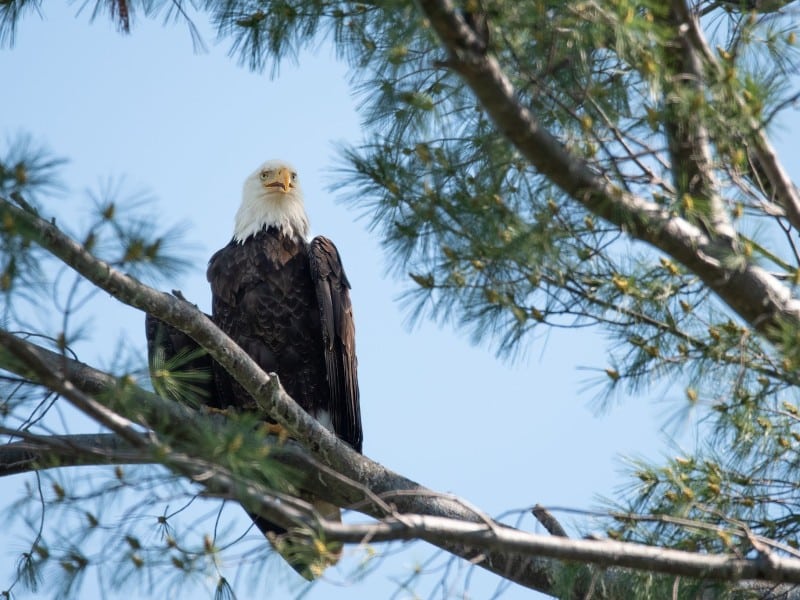
Backyard Naturalist: Keep an eye out for bald eagles feeding in Weston
While they’re not actually bald at all, Backyard Naturalist Michael Pappone loves our national bird.
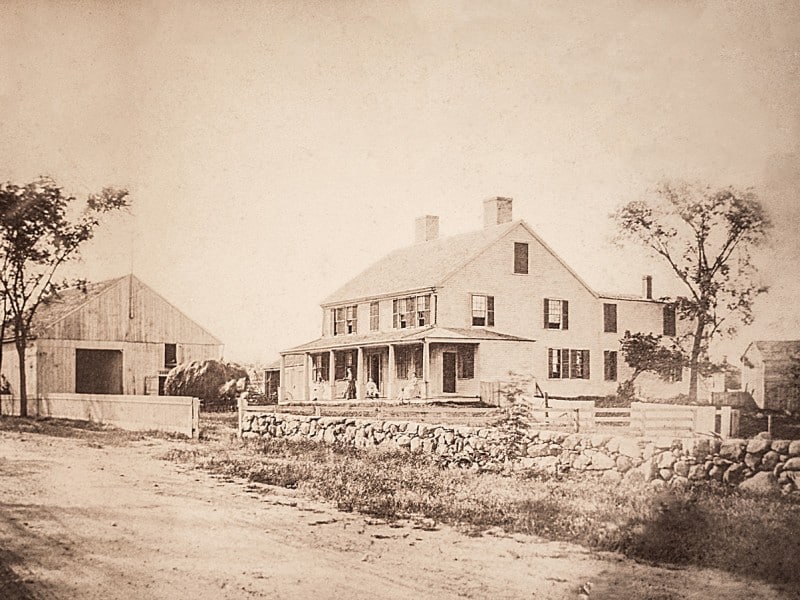
History Corner: George Washington really did sleep here!
George Washington once spent some time in Weston.