
Backyard Naturalist: The long-toed, grumpy-faced, chameleon-like gray tree frog
The nocturnal gray tree frog, while elusive, can be heard throughout the spring and summer breeding season.
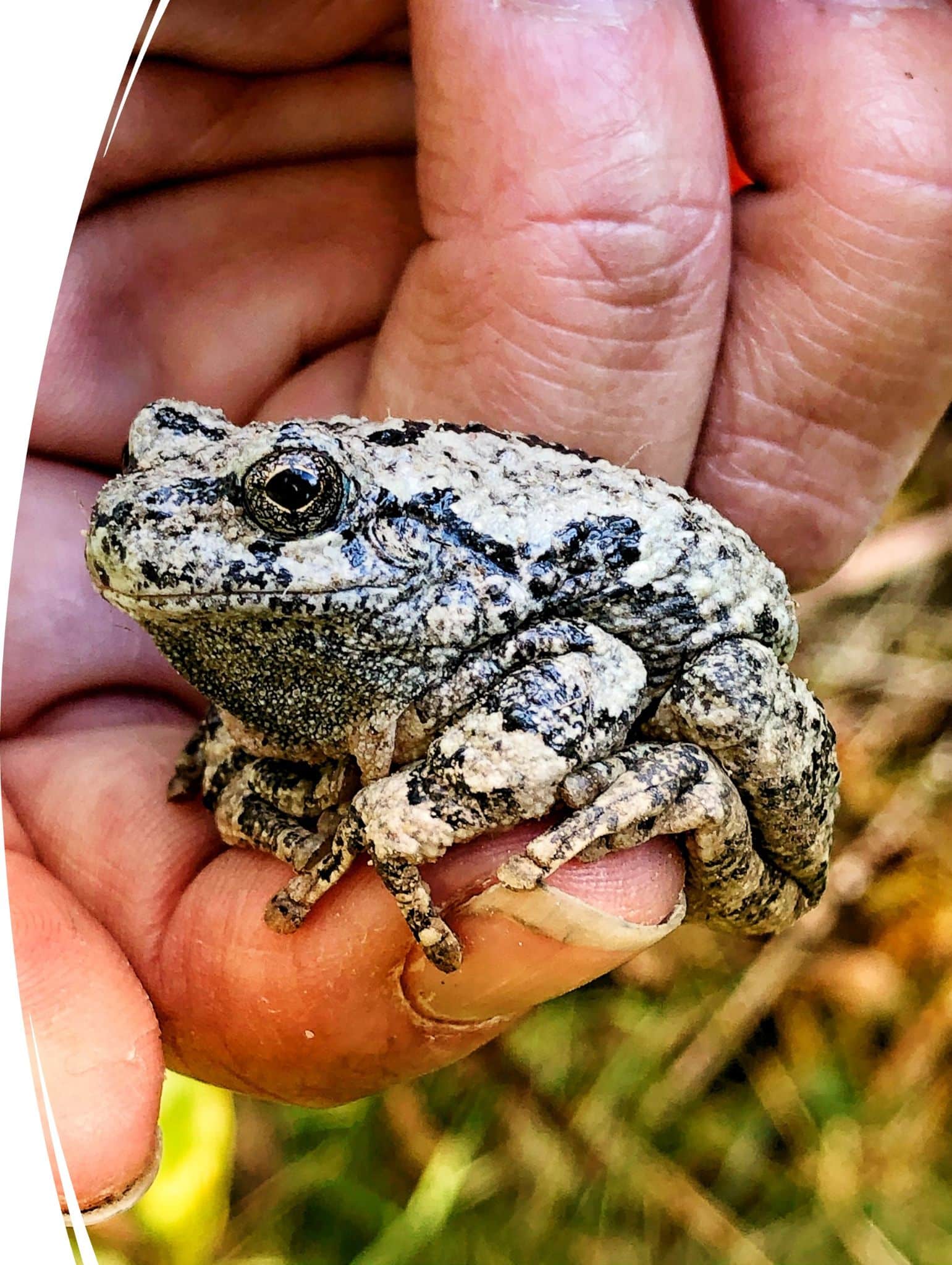
Well, this one sure had me fooled. When we moved to our home in the Webster Hill Woods, an insistent trilling sound reminiscent of the “breeeet!” of a red-bellied woodpecker pierced the silence. I made a stealthy approach to confirm my avian diagnosis. Oddly, the musical trail stopped when I neared the fence that secured the neighbor’s pool. Frustrated, I vowed to return the next night and get a proper look. Again, no flutter of wings, and the same radio silence as I ventured too close to the source of the nighttime triller’s voice. But this time, a sweep of my flashlight revealed the identity of my mystery bird: an inch-and-a-half-long amphibian known as a gray tree frog. Until I disturbed him, he had been chilling in the pool, boldly broadcasting his availability to any females within hearing range.
This nocturnal creature, known scientifically as Dryophytes versicolor, can be heard throughout the spring and summer breeding season, shrieking his advertising call, especially in backyards that afford access to trees and a water source of some kind. These frogs get the name “versicolor“ from their ability to change colors like a chameleon in response to the environment or the activities around them. They can be green, brown, nearly white or almost black. And, of course, the gray tree frog is most often gray. Its blotchy, lumpy pattern resembles lichen on tree bark. That provides it with exactly the camouflage it needs to move up, into, and around the tree canopy like a trapeze artist, hunting at night. If a predator gets too close, though, he may notice a brighter, yellow-orange patch on the inside of the frog‘s legs, warning it that this amphibian contains toxins powerful enough to render him inedible.
To aid them in their tree-top ramblings, gray tree frogs sport extra-long toes, the pads of which produce an adhesive fluid that enhances their grip on any surface they spring to. Over the course of its seven- to nine-year lifespan, this species will find its way down from the arboreal hunting grounds to mate three times each season. If necessary, each male is willing to engage in a rough and tumble competition with a rival, headbutting, shoving, kicking and wrestling to win the female’s attention. After every mating, the female will lay up to 2,000 eggs. The female deposits the eggs in any standing water, from a vernal pool (best) to an old tire containing leftover rainwater. Wiggly tadpoles will emerge a few days later to begin their eight-week transition to leaping frogs.
Gray tree frogs are most decidedly not picky eaters. Their diet ranges from crunchy, juicy beetles and crickets to spiders, mites and snails. Trigger alert: this docile-looking frog will even eat its own larvae, as well as feast on other tree frogs.
You’re wondering what these creatures do when they’re not eating or breeding, right? In the daytime hours they’ll hide in tree holes, under bark or down under exposed tree roots. In the winter, they’ll call on another of their superpowers, antifreeze, to withstand temperatures as low as 17°F (-8°C). To perform this hibernation trick, they produce the chemical glycerol, which can be turned into glucose, and prevents ice crystals from rupturing the cells in their bodies. The frogs also slow their interior metabolic processes while virtually stopping their heartbeat and breathing.
When the spring thaws come, gray tree frogs rouse their little selves back into action, looking for a place to advertise their viability with that loud, musical trill that I’ve come to recognize (and love).
If you want to see this animal, you’ll need some luck and plenty of patience. The best bet may be to leave your outside porch or entryway lights on and see if one creeps near it to snag bugs attracted by the light.
“Pay attention; be astonished; tell about it.“
– Mary Oliver, American poet
Author

Related Articles

Make it a Habit: Am I done yet? Sustaining health change over time
How can you ensure the lifestyle changes you’ve made stick?