AI 101: High School students dive into tech’s use and ethics
As the world continues grappling with artificial intelligence, a group of Weston High School students is diving in headfirst.
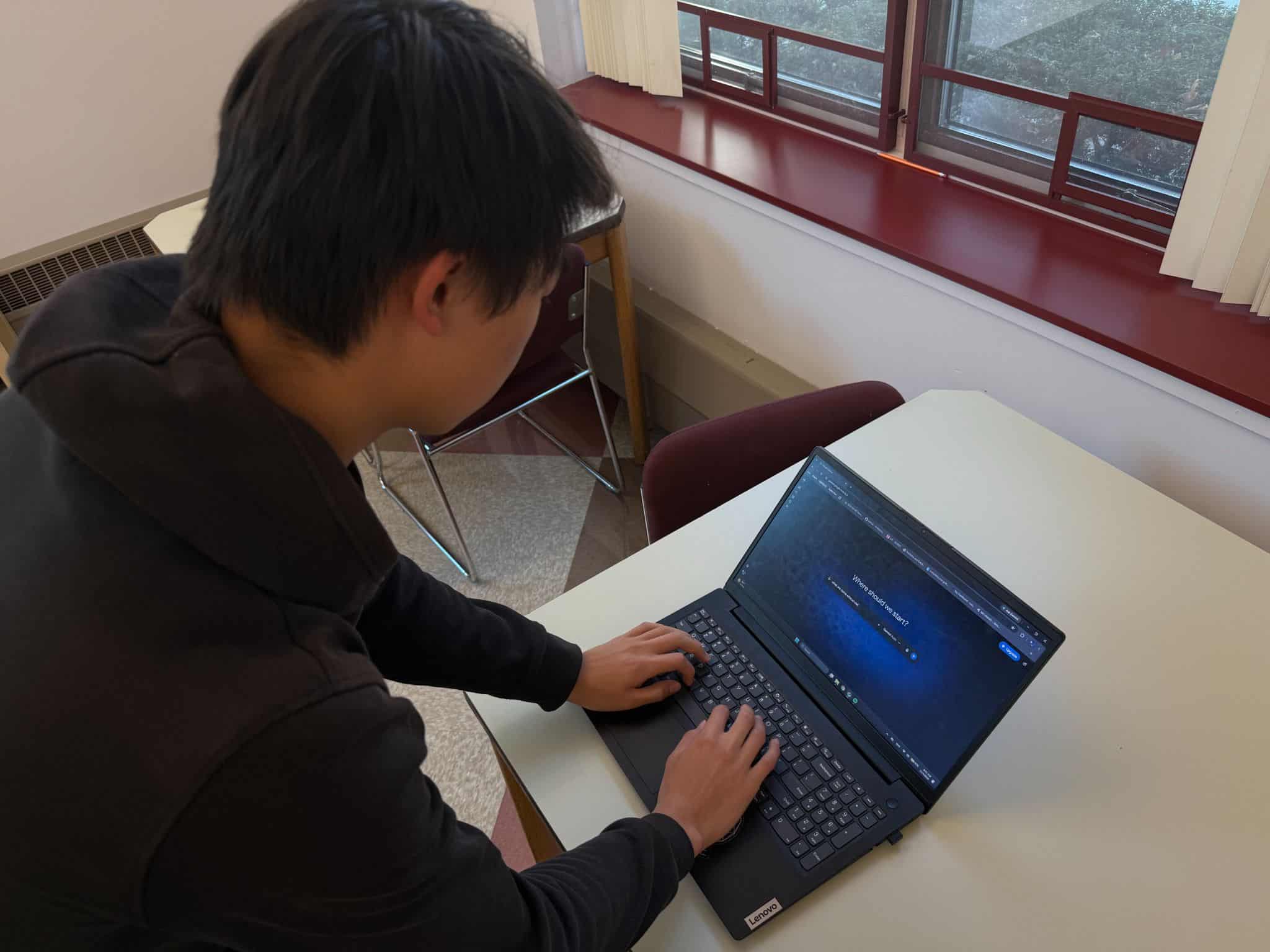
Since artificial intelligence models became available to the public four years ago, their specter has haunted education, raising questions about student cheating, learning atrophy and ethics.
As the world continues grappling with this new, ever-changing technology, a group of Weston High School students is diving in headfirst.
“I want to learn more about what way our future is heading, and to better understand that, I feel the best way to learn about [AI] is to actually do some hands-on stuff with it,” said junior Lucas Cao. “AI isn’t some abstract thing you can’t really touch. It’s something that you can actually mold and work with.”
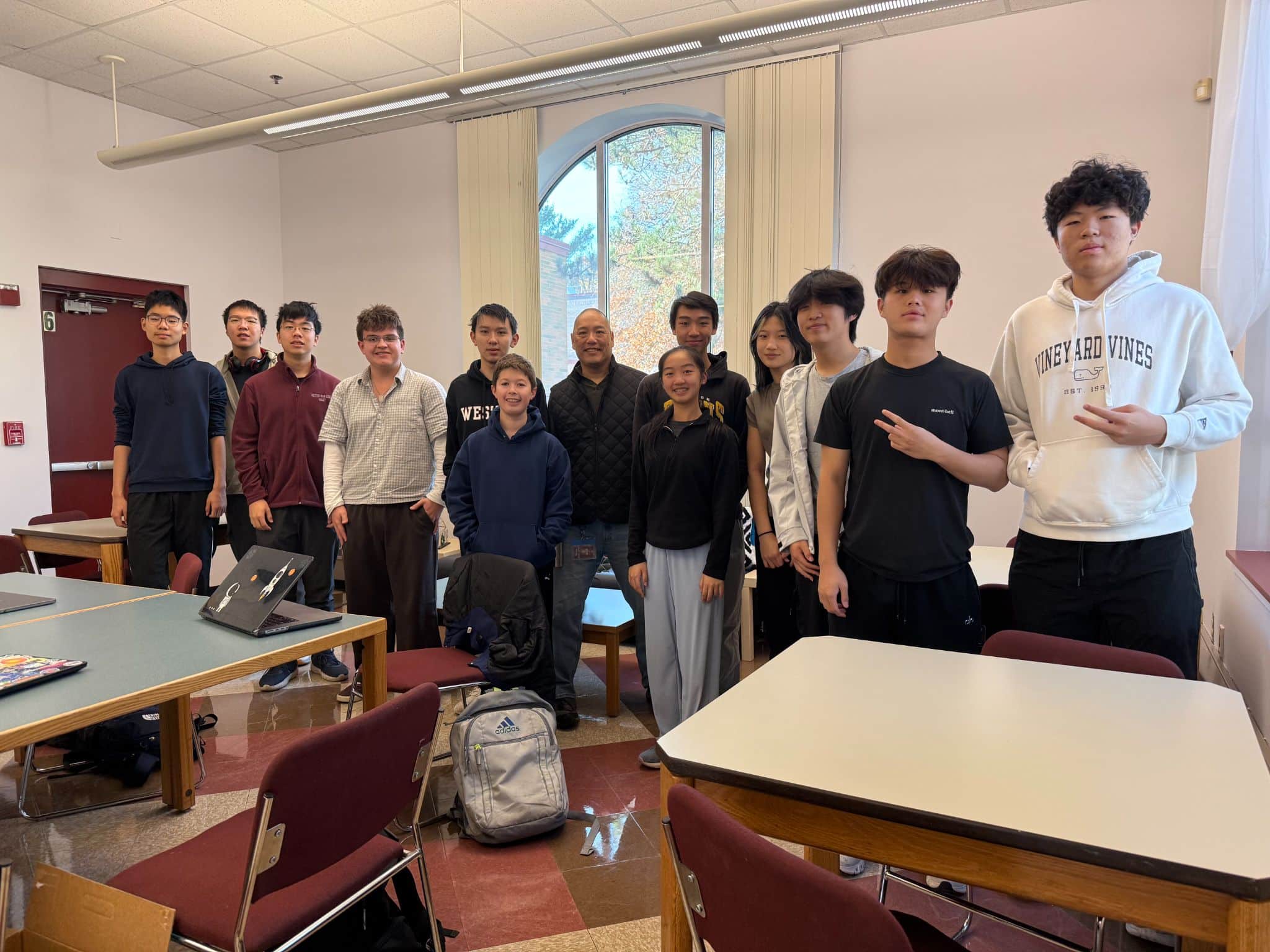
Cao is president of Weston High School’s new Artificial Intelligence and Machine Learning Club, which received School Committee approval in June. The club, open to all students with any level of AI experience, is focused on developing students’ understanding of AI, building a community and discussing ethical use of the technology.
The club’s students have a wide range of motivations for joining the club. Some, like Cao, want to understand how this technology could change the world. Others, like Vice President Yvonne Guo, want to spread awareness about ethical use of AI.
Guo, who has been experimenting with AI to enhance her English learning, said the technology can benefit people if they use it as an extension of their education, not as a replacement.
Students said AI piqued their interest because the technology could transform life in both positive and negative ways. On the development end, some are participating in AI competitions or creating apps, while others make games or use AI agents to increase their productivity.
Ethical AI use is going to be a major topic undertaken by not just the club, but also Weston Public Schools. Cheating is likely the most obvious unethical use of AI, but questions also hover around how teachers can use the technology and its impact on student research.
The district is exploring ways AI can be implemented in its schools. Over the summer, staff received AI training and attended workshops to develop their foundational knowledge. School administrators are currently developing a plan to introduce AI to classrooms and determine when it is appropriate to use.
“We’re going to have talks about AI ethics, too, about if AI is beneficial to a person’s intelligence or a community,” Guo said. “There are positive and negative impacts about AI, so I feel understanding both sides is an important factor … If people are going to take advantage of it, I feel like they should take advantage of it knowing how it works.”
Henry Moon, a high school English teacher and the club’s faculty adviser, is also wrestling with AI ethics. Based on studies associating AI use and learning loss, he said he is concerned about the technology’s effects on students’ development.
He posed a question to the dozen students at the club’s Nov. 4 meeting: Using your own personal definition of ethical and unethical, what percentage of Weston High School students are using AI in unethical ways? Estimates varied, including one student who said 60% were using technology unethically, but many members said they know peers who use ChatGPT to complete their homework.
To Adrian Chang, ethical AI use starts with self-responsibility.
“You need to care about your learning. If you’re just there to finish an assignment, then yeah, sure, you can give it to ChatGPT and be done in three seconds,” Chang said. “If you’re not willing to further your learning with AI and enrich your learning with AI, you won’t actually get it done.”
By focusing on ethical discussions around AI, Moon and the club’s members are hoping to walk the fine line separating learning-enhancing use and tossing homework questions into an AI model to get answers without applying concepts learned in the classroom.
“It was a topic of conversation at yesterday’s faculty meeting, whether or not we have become a culture of cheaters,” Moon said, before telling his students: “I worry, though, about the effect on the learning curve … So am I hurting you – as an adult to children, am I actually hurting you? I don’t know. Seriously, I’ve got to worry about it.”
Moon said he is hopeful the club can have a positive impact on the community through a group development project. The idea is to develop a translation app serving Weston residents who speak a language other than English at home, a growing population. U.S. Census data estimates about 28% of Weston residents older than 5 speak a different language at home than at school.
“One of the concerns, being a representative from the school, is that we have a much more cautious approach to AI,” Moon said. “I wanted to soften the effects of the club by making sure they have a kind of community connection to it, which is why I push this club in the direction of the interpreter or translation app.”
Author

Related Articles

More school buses needed to reinforce fleet
As the Weston Public Schools district navigates a bus shortage, its Transportation Department has prepared both short- and long-term strategies to ensure student service remains uninterrupted.

‘Intentionality’: District seeking thoughtful AI use in classrooms
As administrators explore how artificial intelligence can be deployed in classrooms, a distinct theme rises from district leadership: intentionality.
Zaleski will not seek contract; Trahan appointed acting superintendent
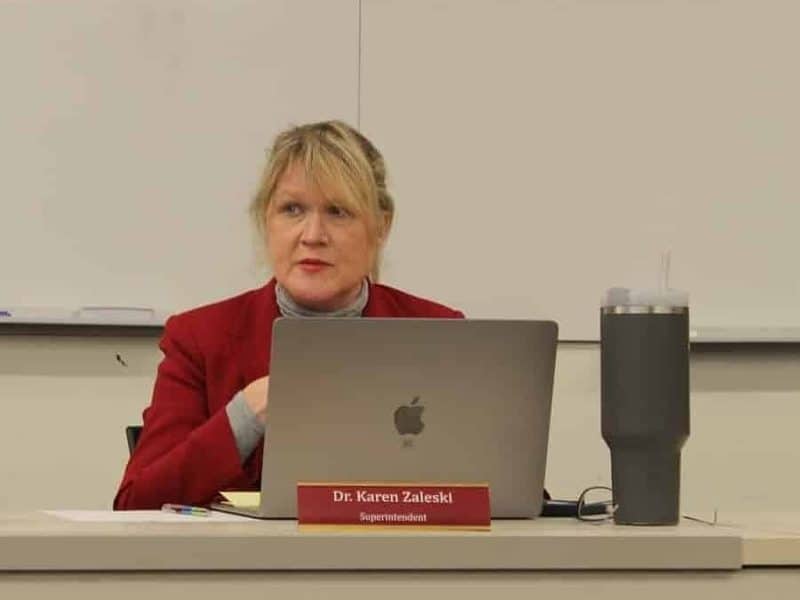
Superintendent Karen Zaleski will not pursue a successor contract with Weston Public Schools and will leave her role on Dec. 4