
Backyard Naturalist: Monarch math… Or the world’s longest relay race
Why choose numbers over poetry to celebrate the wonder of America’s favorite butterfly?
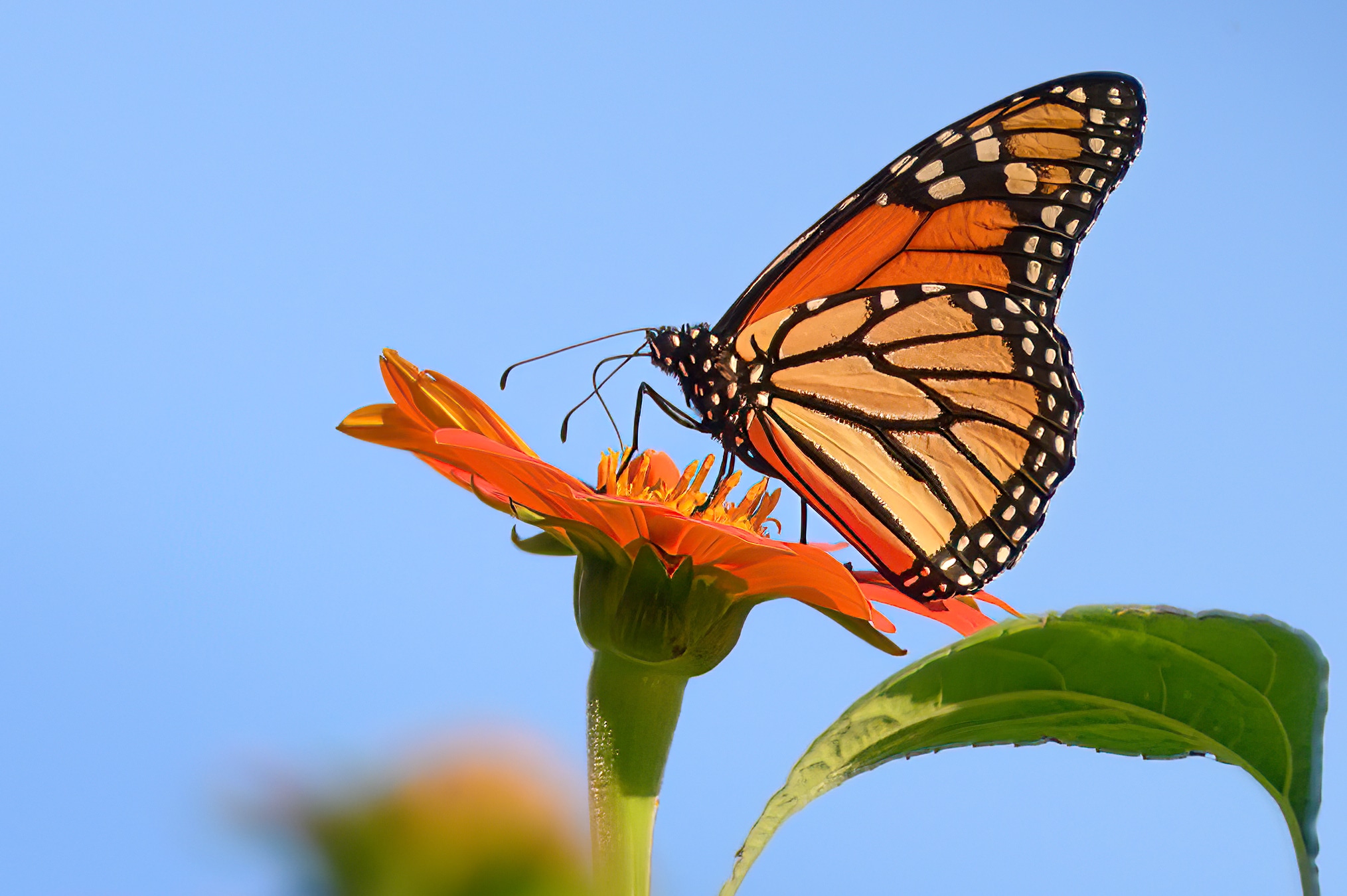
Why choose numbers over poetry to celebrate the wonder of America’s favorite butterfly?
Well, our best known member of the lepidoptera order, Danaus plexippus, has secrets that are best decoded by a peek behind the curtain. But permit me a brief reminiscence. I first became fascinated with monarchs as a lad on the Dakota prairie, running free through vacant building lots and roadside ditches teeming with sweet clover and dotted with chunky milkweed plants. Butterfly net in hand, and always on the hunt for something new to pin to my Styrofoam butterfly board, I’d settle for a big monarch any day.
Today I’m here to do what I can to help protect this once-abundant species, which has suffered an 80% to 90% decline in numbers over recent decades. You knew I’d find a way to get back to the numbers, right?
The monarchs now floating in our gardens in jagged patterns, are tanking up on nectar. By next month, they will have begun a 2,500-mile migration to Michoacán, Mexico. Let’s call them the first runners in an annual relay race that has been taking place for some 20 millennia. They are part of a four-to-five-generation track team known as the super-generation, living eight times as long as any of the other racers. Guided by the sun and geomagnetics, the super-generation monarch will bear the species’ genetic torch, flying hundred-mile days. They’ll join millions of other cross-border migrants from as far away as Canada to cling in masses to the few dozen acres of Oyamel fir trees in Michoacán. There they’ll enjoy a well-deserved rest, stirring only in early March for a flight north and east to pass the torch to the next generation.
The handoff takes place north of the border in early May, where butterflies will take part in between two and six eight-hour mating sessions. They lay their eggs one at a time here and there – but always on a milkweed leaf. In three or four days, the eggs hatch into little “em-dash” sized caterpillars.
First these minuscule bugs will eat their own egg sacs, then feast on the tiny hairs of the milkweed leaf, before moving on to chomp on larger leaves. Two weeks is all the time they need as very hungry caterpillars before they shed one last skin and retreat into a light green chrysalis. The relay pauses for now, and resumes in 10 to 12 days as the miracle of metamorphosis culminates in the eclosure of a flight-ready monarch butterfly!
The relay starts again in earnest in June with this new generation beating a path further north for hundreds more miles. This generation will repeat the mating marathon of the parents. Their lives will end within two or five weeks, and their offspring may fly one more northerly segment, repeating all of the prior generations’ rites of passage.
By the time the fourth generation has eclosed from their pupae here in August, the northern latitudes milkweeds are drying up. It’s time for the new super-generation to fly that final lap segment back to Mexico.
Weighing no more than a dry paper dollar, it will take its chances, soaring to heights approaching 10,000 feet to complete its anchor leg in the relay.
The monarch species’ future, though, remains uncertain. Promiscuous use of pesticides, aggressive farming practices, roadside mowing and spraying and loss of grasslands all threaten the migrants along each of the legs of the relay. And illegal logging has put a squeeze on their Mexican winter haunts.
Want to see more monarchs in your family‘s future? Plant milkweed species in your gardens. Resist pesticide sprays, support nature organizations that protect grasslands, and choose sustainability-grown produce.
The baby caterpillar I’m now helping to rear (found as an egg mind you!) will be very grateful.
Author

Related Articles


History Corner: Festivities and Declaration reading planned for September
This September, Weston will be celebrating the 250th anniversary of the day when our town first heard the Declaration of Independence: Sept. 8, 1776.