
Backyard Naturalist: The snapping turtle: evolution’s masterpiece
The Backyard Naturalist has been fascinated by the awesome power of the snapping turtle since early childhood.
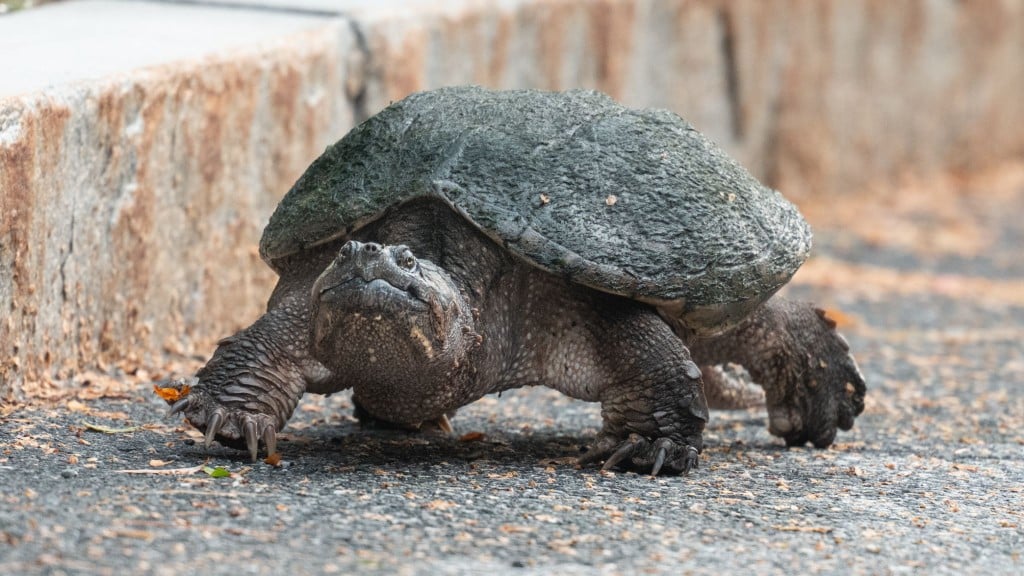
For the last 90 million years a veritable force of nature has been thriving in virtually every aquatic environment it can find east of the Rockies from tidal rivers all the way up to high-altitude beaver ponds. The Backyard Naturalist has been fascinated by the awesome power of this creature since early childhood, when the prospect of losing a toe or finger to the beast was a haunting possibility. The big boys in my South Dakota small-town neighborhood would invite us over so we could witness their temporarily captive snapper chomp on iceberg lettuce and raw hamburger. My awe was recently rekindled in Weston when a friend recounted an incident that illustrates perfectly how the awesome power of a large hungry turtle can have an awful impact on another wild creature.
Trigger warning here for the squeamish reader…
So, this mute swan had been feeding on submerged vegetation, dipping its head and neck up and down below the pond water’s surface. Our story-teller’s curiosity was piqued when the head and neck failed to pop back up – and the wings started flapping frantically. In one mighty effort, the swan raised its neck high enough to reveal the mud-brown carapace of a huge snapping turtle whose beak was attached down below. The turtle snacked on its prey for a bit and disappeared. Presumably it was content to have enjoyed the swan meat sample and was ready to return to its diet of fish, frogs, smaller turtles and copious quantities of aquatic vegetation.
Alas, the swan had enjoyed its last meal.
Our snappers, Chelydra serpentina, are the biggest fresh water turtle in America; the largest of them was a wild-caught Massachusetts 76.5-pounder. Most weigh in at 35 to 40 pounds. Many live for a century and gain weight every year. That long life is essential for a reptile that doesn’t reach sexual maturity for 15 to 20 years. Not surprisingly, a fully-armored beast like the adult snapper counts no other wildlife as a predator threat. Automobile tires and hunters (yes, turtle soup is an actual thing) are its chief dangers.
The species’ real challenge is to reach adulthood at all. Right about now – and for the next several weeks – females will march far from the safety of their ponds to places where they can scrape a hole in sandy soil to lay several dozen leathery-shelled eggs. And that’s exactly when the trouble begins. Skunks, mink, raccoons, foxes and coyotes are onto the look and feel of fresh snapper nests. The chemosensory cues left by the musky turtle mom’s back end are literally a “tell-tail:” fresh eggs for free here! Eighty percent to 90% of snapper eggs provide lunch for opportunistic predators. Hatchlings fare no better. Emerging between August and October, many fall prey to the same collection of ovivores. And when the remainder find their way back to water, they must run the gauntlet of great blue heron beaks, mouths of larger fish, hawk talons and the gape of American bullfrogs. Not even 1% of the original eggs survive to adulthood.
So, if you happen to see a snapper stranded on the roadway, slow down and consider for a moment what an absolute miracle of nature you are witnessing. And if it’s safe to do so, pull over, drape a blanket or tarp over her and drop her in the opposite roadside vegetation. You’ll be tapping into 90 million years of the snapper’s evolutionary success story.
Author

Related Articles
Backyard Naturalist: Tree swallows herald fall’s arrival
Such is the life of a tree swallow: filled with beauty, alive with frenetic activity and fraught with endless uncertainty. Carpe diem.

Ideas in the Making at the AIC: Watercolor: flowing color and infinite possibilities
Water meets pigment, pigment meets paper, and magic happens on the page. That’s the quiet alchemy of watercolor — a medium simple in its ingredients and boundless in its results.

History Corner: Light in the Colonial dark: The Magic lantern and Declaration Day
When visitors arrive at the JST for Declaration Day festivities on Sunday, Sept. 13, they will experience a form of entertainment that predates film, photography, and the Tavern itself: the magic lantern show.