
Backyard Naturalist: Bad Bunny! How to appreciate those rascally rabbits
“Cute as a bunny” is meant as a sincere compliment when aimed in the direction of a younger, smaller human.
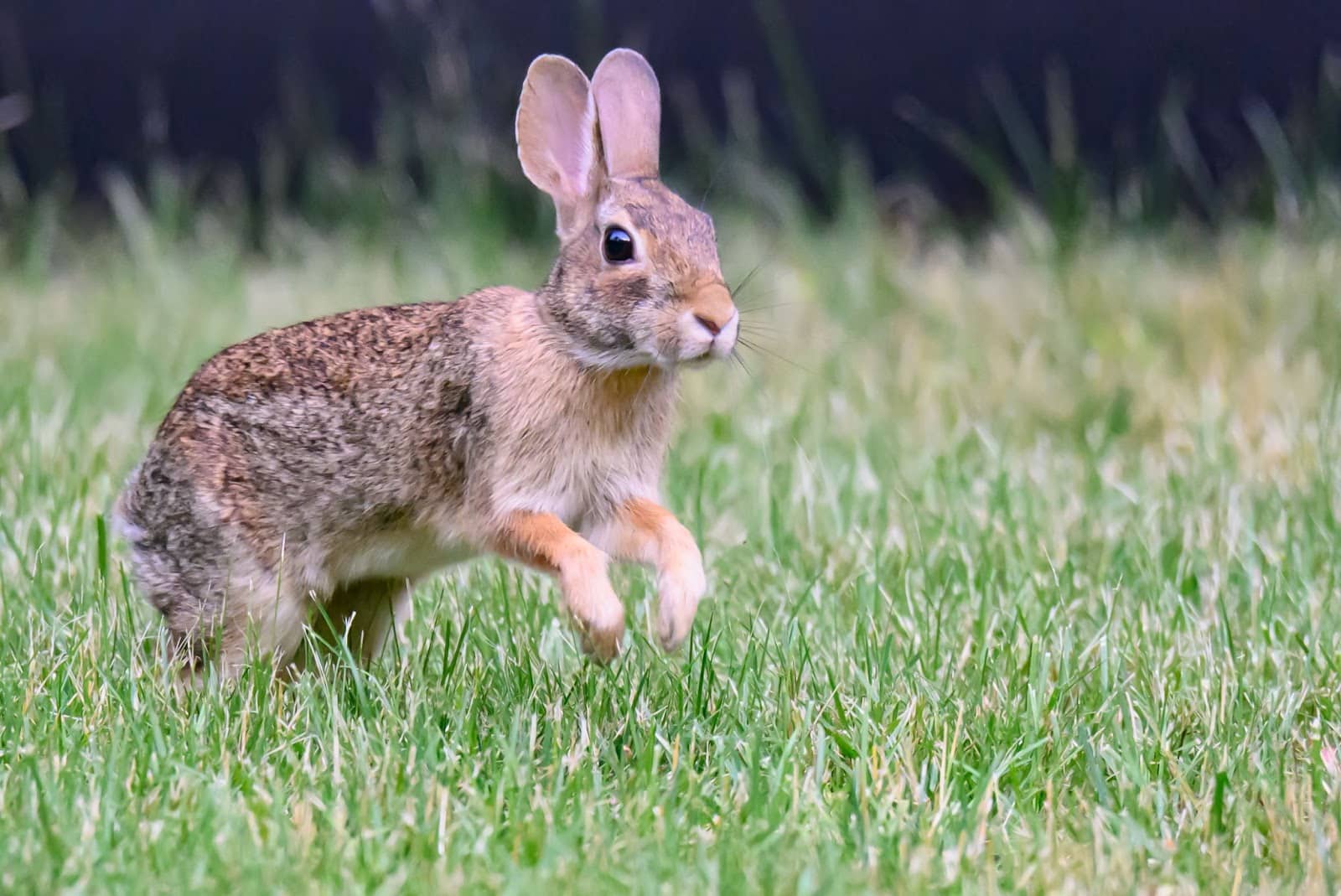
“Cute as a bunny” is meant as a sincere compliment when aimed in the direction of a younger, smaller human. And it may even apply when the actual cottontail that inspired it is in sight – but usually only if the ball of fluff is on someone else’s land.
Otherwise, if you’re trying to grow vegetables, flowers or shrubs, you’re more likely to grumble “bad bunny,” and I don’t mean the Super Bowl’s halftime superstar. With the shrinking of the snowbanks, we can now inspect our shrubbery for the tell-tale signs that a hungry rabbit, when its food sources were covered by deep snow, used that same deep snow as a vantage point to find the choicest parts of our rhododendrons to satisfy its hunger and sharpen its teeth. Look for a neat, clean cut at the end of a branch, or bark that’s peeled off all the way around the young tree or shrub. That tells us that the culprit was more likely to have been an eastern cottontail (Sylvilagus floridanus) than a deer.
The common cottontail in these parts is actually a non-native species that found its way over with immigrant settlers in the early 1900s, who brought them to serve as a source of food for hunters. It has gradually displaced “our” New England cottontail, reducing its range to a small fraction of its original habitat. If you’re lucky enough to spot a cottontailed hopper that looks vaguely larger than our eastern species, with shorter ears, you may be getting a rare glimpse of the region’s original rabbit.
Some years it seems as though Weston is being overrun by rabbits. Indeed, rabbit populations do fluctuate widely, both seasonally and over time. The seasonal fluctuation finds its source in the prolific cottontails’ breeding habits, where three litters of four to five young are produced in the summer and into early fall. Populations do crash from time to time, usually following disease outbreaks, or reflecting food availability and the abundance of predators. But with all that free-wheeling breeding, numbers quickly rebound. Baby rabbits appear after a mere 30-day gestation period, born in the scrape the mother has built on the ground, consisting of a nest of grass, fur, droppings and, sometimes, paper scraps. The bunnies leave the nest in two short weeks and will be fully independent in four weeks.
The young follow the mother as she grazes on tender greens like clover, dandelions, grass and, yes, garden vegetables and your favorite stems in the cutting garden. I bless my bunnies as I watch them nibble soundlessly at my weeds, secretly cursing the day that they will turn their attention to my garden. Rabbits’ diet also includes their own fresh droppings, rich as they are in undigested nourishment. By treating these pellets to a second trip through the alimentary canal, rabbits give their food more time to be in contact with the bacteria essential for more complete digestion. This eating practice is known as cecotrophy.
There are many sources of information on rabbit-proofing your plants against these otherwise cute pests. But I tend to favor leaving the job to nature. Rabbits are a prey species for virtually every predator comparable or larger in size, including domestic cats and dogs. Foxes and coyotes probably benefit most from this food source, but bobcats, birds of prey of all kinds and even crows and diminutive mink help see to it that most offspring never make it to adulthood, and most adults only live a few years.
Such is their role in the Great Mandala.
“If you chase two rabbits, you won’t catch either one.” Anonymous.
Author

Related Articles
Backyard Naturalist: Keep an eye out for bald eagles feeding in Weston
While they’re not actually bald at all, Backyard Naturalist Michael Pappone loves our national bird.
History Corner: George Washington really did sleep here!
George Washington once spent some time in Weston.