
Backyard Naturalist: Where have the little rascals gone?
Michael Pappone admits that he does in fact miss the chipmunks in this week’s Backyard Naturalist.
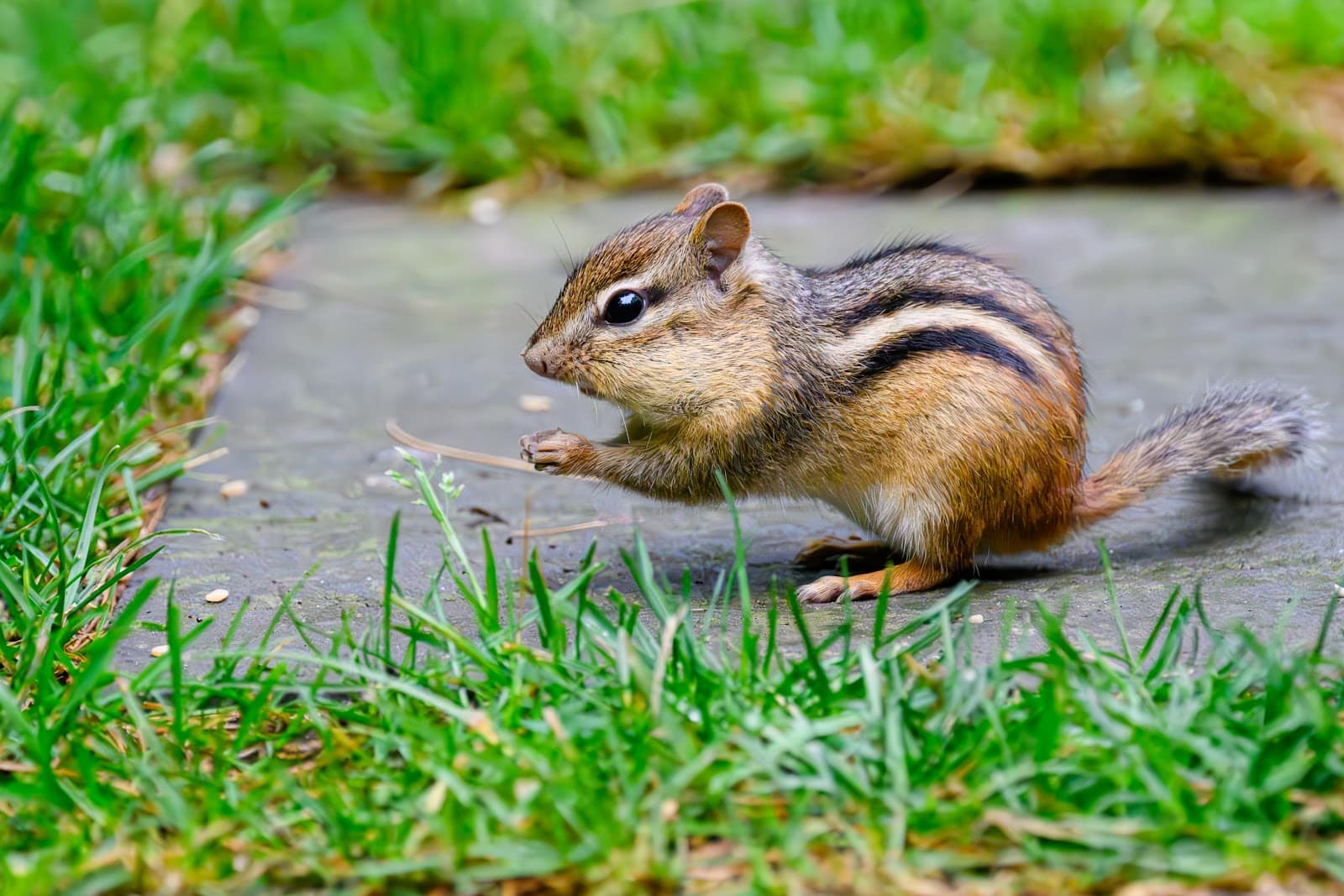
I must admit, I kind of miss them already: The chipmunks, that is.
Sure, during the peak of the summer breeding season, they can seem just a little too fecund and way too forward, with all that frantic scurrying under your patio table while you’re trying to enjoy lunch. Actually, at this very moment, they’re not far away at all. They’ve just retreated downstairs into their dens for the duration of the cold season.
Right there under your footsteps – or maybe right under that same patio – the East’s smallest member of the squirrel family will have given a big yawn and entered a torpid state, reducing its activity to a minimum and lowering its body temperature to a few degrees above freezing. Every few days they will rouse themselves to eat some of the food they’ve cached away in the depths of the den.
In the case of our resident chipmunks, a feast of sunflower seeds and other birdseed will tide them over nicely. That stockpile owes its ample size to, among other factors, the fascination of my 3-year-old granddaughter. She was transfixed by a particular individual stuffing its cheeks to an alarming degree of distension, scooting to its nearby (and heretofore, secret) tunnel entrance, then reappearing moments later to repeat the sequence, each time
venturing more boldly towards the seeds at Sierra’s feet. I’ve tried to imagine how many total feet of tunnels run through our gardens and woods to accommodate the hoards of solitary Chips and Dales, each of whom needs to excavate 10 or so subterranean linear feet for its home. And how many pounds of my birdseed have been diverted to their winter snacking purposes?
In another few months, come spring, the scurrying will begin again in earnest, and we’ll feel that they are constantly underfoot. Weston’s environment provides plenty of natural food sources for our five-striped friends. Acorns and the maple seeds that arrive early would be enough to sustain a booming population, even without all the birdseed. Our gardens benefit from the chipmunks’ summer diet, replete with courses featuring insects, worms, snails and slugs. I was not so thrilled though when they decided to expand their palates by denuding the flower buds on my rose of Sharon tree one year.
Chipmunks don’t have much of what we’d consider “family” life. Fiercely territorial, after mating in early spring, the couple goes its separate ways. The female is left with two to five helpless young tucked into the safety of the den. Before seeing their first ray of sunshine, the blind, hairless little ones will have spent six weeks nursed underground. Within a few days of the young emerging from the den, mother chipmunk is ready for some “me” time. She’ll have excluded her offspring from their home a couple of weeks later. She’ll also be getting ready for the season’s second litter.
Absent predation, we would soon be overrun with these mischievous charmers. But, it turns out they are very popular with an astonishingly robust list of our local predator species: birds of prey, including owls and hawks; and mammals ranging from foxes to coyotes and dogs on the canid team; to bobcats and housecats (best for so many reasons to keep cats indoors); to raccoons and various members of the weasel family.
I’ve never had as few chipmunks in the garden as the years a Cooper’s hawk couple raised their own young on a chipmunk-rich diet.
Next spring I’ll be happy to greet them, knowing that chipmunks will be a reliable source of furry, scurrying backyard entertainment, virtually right under my feet.
Author

Related Articles
Backyard Naturalist: Keep an eye out for bald eagles feeding in Weston
While they’re not actually bald at all, Backyard Naturalist Michael Pappone loves our national bird.
History Corner: George Washington really did sleep here!
George Washington once spent some time in Weston.