WPS budget shifted after lost grants
Weston Public Schools is shuffling around its budget after losing two significant state grants.
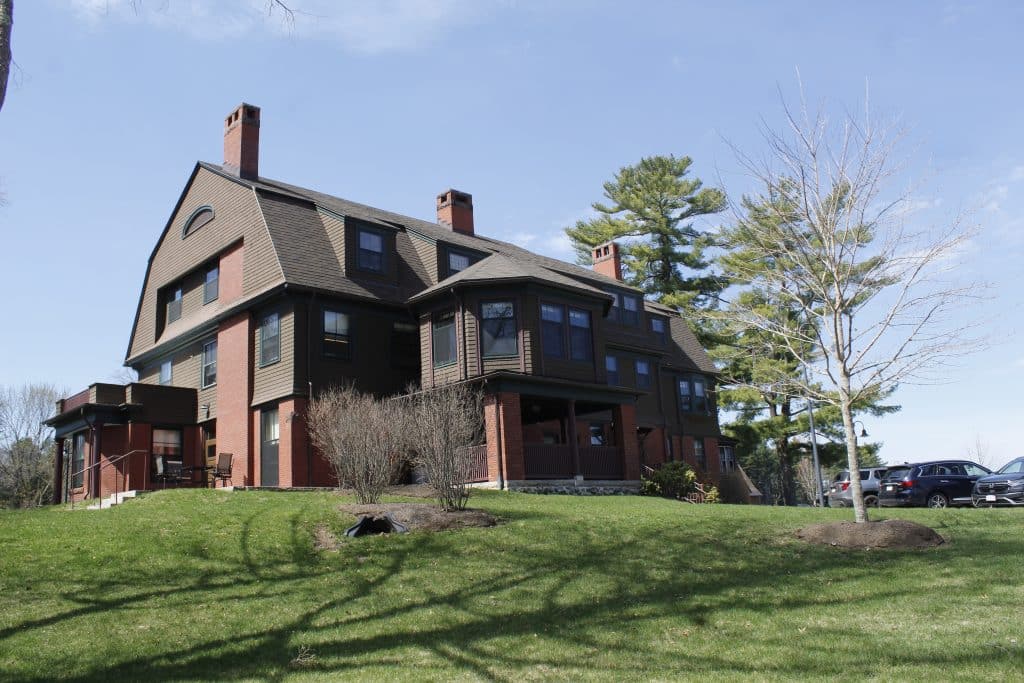
Weston Public Schools is shuffling around its budget after losing two significant state grants.
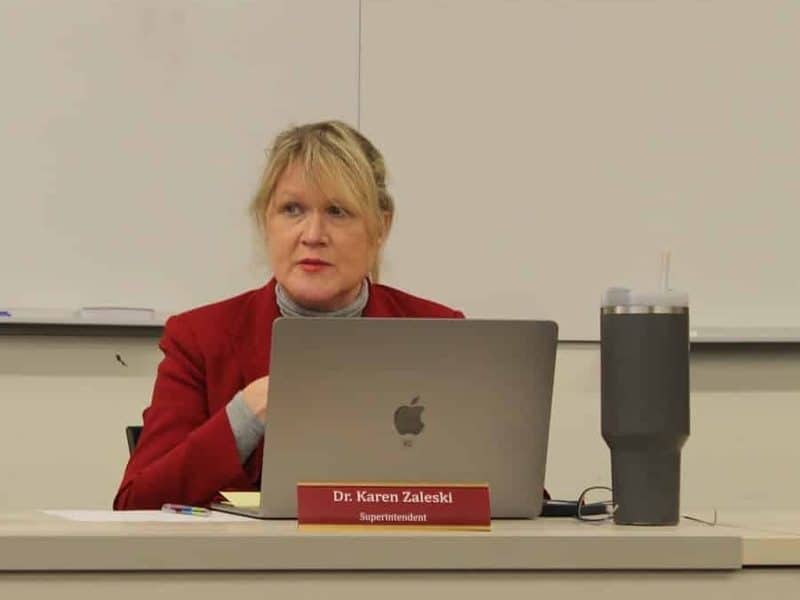
The district lost both a $227,900 Partnership for Reading Success — Massachusetts (PRISM) grant and approximately $30,000 genocide education grant used for professional development, according to Superintendent Karen Zaleski, who announced the lost grants at the Aug. 24 School Committee meeting.
“What’s disappointing about it is the state has mandated this, high-quality instructional materials, HQIM, for all districts…support was funded by those grants. It’s a huge loss for us,” Zaleski said. “It’s mandated across the state and it’s a competitive grant; there are other districts that are more needy from a socioeconomic standpoint.”
PRISM, according to the Department of Elementary and Secondary Education (DESE), is a three-tiered grant program focused on improving literacy systems through the evaluation and purchasing of high-quality instructional materials and evidence-based literacy training. Gov. Maura Healey announced the FY27 round of grants – totaling $25 million to 71 school districts – on Aug. 6.
The genocide grant, also a competitive grant, provides funding to school districts to educate middle and high school students on the history of genocide.
To address the funding shortfall, Zaleski and Director of Finance David Coelho met with district leadership to examine where money could be reallocated. The end result is shifting much of the money from the budget of Todd Whitten, the assistant superintendent of teaching and learning, which includes professional development, supplies, materials and other similar items.
“We didn’t come up with $200,000, but we came up with most of what we need to do all the work,” Zaleski said, adding the district still has money for teachers and other contractual obligations. “As always, we’re going to be very fiscally minded and very conservative…We still have money left, but, again, we’re going to have to be very, very thoughtful and mindful.”
With less money available for training, Coelho said the district will have to be aware of training opportunities.
“We did look at, in totality, what was available and picked where we could reduce and repurpose those funds based upon what we needed to do,” he said. “We had to make choices about how many events we do or how many trainings we do, and just make it work for what’s available.”
It is not the first time the district has had troubles with the PRISM program, as the state withheld the grant from the school last year because Weston was out of compliance with the MBTA Communities Act. Rather than stripping the grant outright, the state negotiated with the town to disburse the money if the town adopted its proposed 3A plan at the 2025 October Special Town Meeting (it was overwhelmingly approved).
The school had previously received both grants in fiscal year 2026
Strategic Plan completed
In other business, Zaleski presented the final version of the district’s 2026-31 strategic plan, which will guide Weston Public Schools’ vision based on three key focus areas: cultivating academic excellence and fostering innovation; embracing belonging, inclusion, diversity and equity for all; and optimizing resources, facilities, technology and communication.
The plan was developed over the course of the last year by a wide range of stakeholders, including administrators at both the Case House and schools, School Committee members, students and parents.
While the plan was presented on Aug. 25, the School Committee, after hours of discussion and questions, approved it in June. The key concerns highlighted by committee members Steve Dietz and Ken Newberg focused on ensuring there were measurable outcomes and a cohesive identity guiding the district’s strategy.
In response to those concerns, the district developed a series of outcomes it wants to meet over the next five years, with each goal relating to one of the focus areas.
One of the top areas is a metric called “student growth percentile,” which the district wants to see rise to 60% by 2031. Zaleski and Whitten said this number is a combination of several measures – the MCAS, AP exams, final exams, end-of-unit exams and other data – to show how students are improving by triangulating “where the gaps lie.”
“It gives us a way to fairly compare those students in that year-over-year growth…We want a student in comparison with similar students,” Whitten said. “That growth percentage is going to give us a way to just see that student at one moment in time, but allow us to see that student year over year over year as well.”
Other goals include an 85% participation rate in extracurricular activities, such as sports, music ensembles, theater, internships, community service; a 50% decrease in hate incidents; improved or optimized facilities; a 75% satisfaction rate with school and district communication practices, which have been flagged as needing improvement by both the School Committee and administration, and ethical leveraging of new artificial intelligence technologies.
Author

Related Articles
Students, parents take to the roads for Bike to School Day
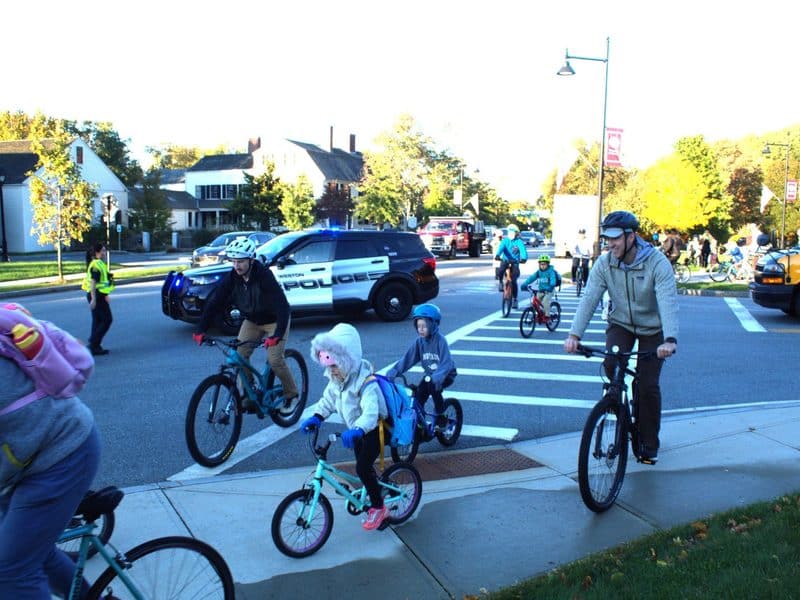
The wheels on the bus go round and round, and last week, bicycles, scooters and skateboards joined the ride to school.
Town Government 101: What’s in a feasibility study?
You hear about feasibility studies for a variety of projects around the community – fire and police stations, the school building project, to name a few – but perhaps you may not know what the document actually represents.
School Committee delays vote on Zaleski contract
The School Committee delayed a vote on Superintendent Karen Zaleski’s contract extension at their Oct. 5 meeting