
Backyard Naturalist: Wild turkeys: What’s true, what isn’t
Michael Pappone talks truth and myths about turkeys in this week’s edition of the Backyard Naturalist.
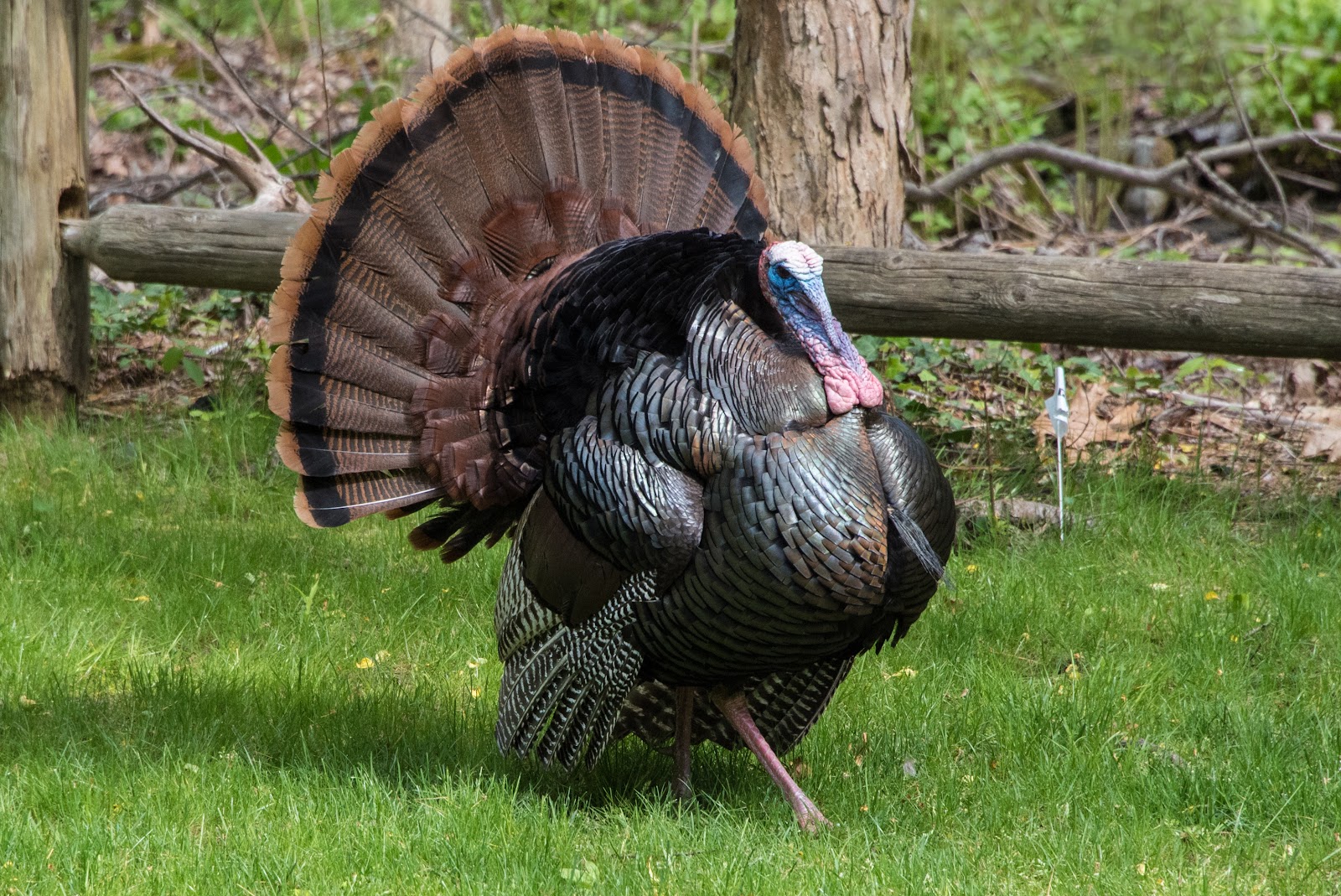

Is it just my imagination or have our wild turkeys succeeded in dividing our often apathetic populace in two separate camps: Those who loathe them and those who love them? Spoiler alert, this column is not intended to cause anyone to bolt from one camp to the other. Maybe just a little sympathy for the devil if your feet are planted in the “hate” camp.
Let’s start by debunking some wild turkey myths.
Myth 1: Turkeys are everywhere.
If you want the luxury of a turkey-free zone, you’ll have to hightail it to Alaska, since even the Aloha State now boasts its own wild gobblers.
Myth 2: European settlers so prized the bird that they ensured its continuous well-being.
Sadly, an easily debunkable myth.
When the Columbus fleet arrived, the North American population of turkeys stood at 10 million. I’m pausing here for a moment of awe at the precision and dedication of the pre-colonial turkey census takers, not to mention their success in establishing exemplary records retention protocols. As early as 1851, turkeys had been completely extirpated from all of New England, the victims of deforestation and overhunting. By the time I was born (don’t ask…) the North American turkey population had shrunk to some 40,000–200,000 individuals.
Myth 3: The wild turkey was the nation’s original national bird.
Ben Franklin figures into this myth. When the Continental Congress chose the bald eagle to adorn our national seal, the colonists were at war with England, and the fierce-looking eagle embodied our patriotic defiance of the crown. Franklin came to wonder whether that had been such a wise choice, musing that if we hadn’t been in a fight for our independence, we would not have chosen a bird that perches on dead trees waiting for an honest osprey to catch a fish, and then take it for itself. The turkey, he opined, is not only more respectable, but a true native of America and a bird of courage who would not hesitate to attack British invaders. It was not until December 2024 that Congress officially voted to elevate the bald eagle to its status as the national bird.
It was not until 1972, when 37 wild turkeys captured in the most distant New York woods were relocated to our Berkshires, that the species rejoined the ranks of Massachusetts breeding birds. Protected from hunters and with the reforestation of much of the land that had been cleared for agriculture, they rebounded decisively. The paucity of apex predators may well, I suspect, have played a role. In the meantime, the turkeys’ omnivorous eating habits served them well. Not picky eaters at all, they hoovered up everything from acorns, seeds and insects, to all that cracked corn your neighbors scatter to attract them.
The commonwealth is now home to some 35,000 toms, hens, jakes and jennies. Their remarkable comeback brought them from the brink to a thriving population. Now, they are considered a natural state resource, and are classified as a game bird and may be legally hunted.
Weston’s large tracts of protected meadows, forest and water sources are just the ticket for a burgeoning population. The woods provide ideal spots for nighttime roosting, protected from marauding coyotes.
The swelling of the species’ population has led to inevitable human encounters in recent years. And that’s the source of the great divide between lovers and loathers. We have each experienced our up-close-and-personal time with Meleagris gallopavo. I can’t wait for the comments to pour in about those who have been chased while jogging, have watched a 20-pound tom run around a parked car attacking his reflection in each hubcap, or have been at the Intersection of Doom where a big bird is directing traffic.
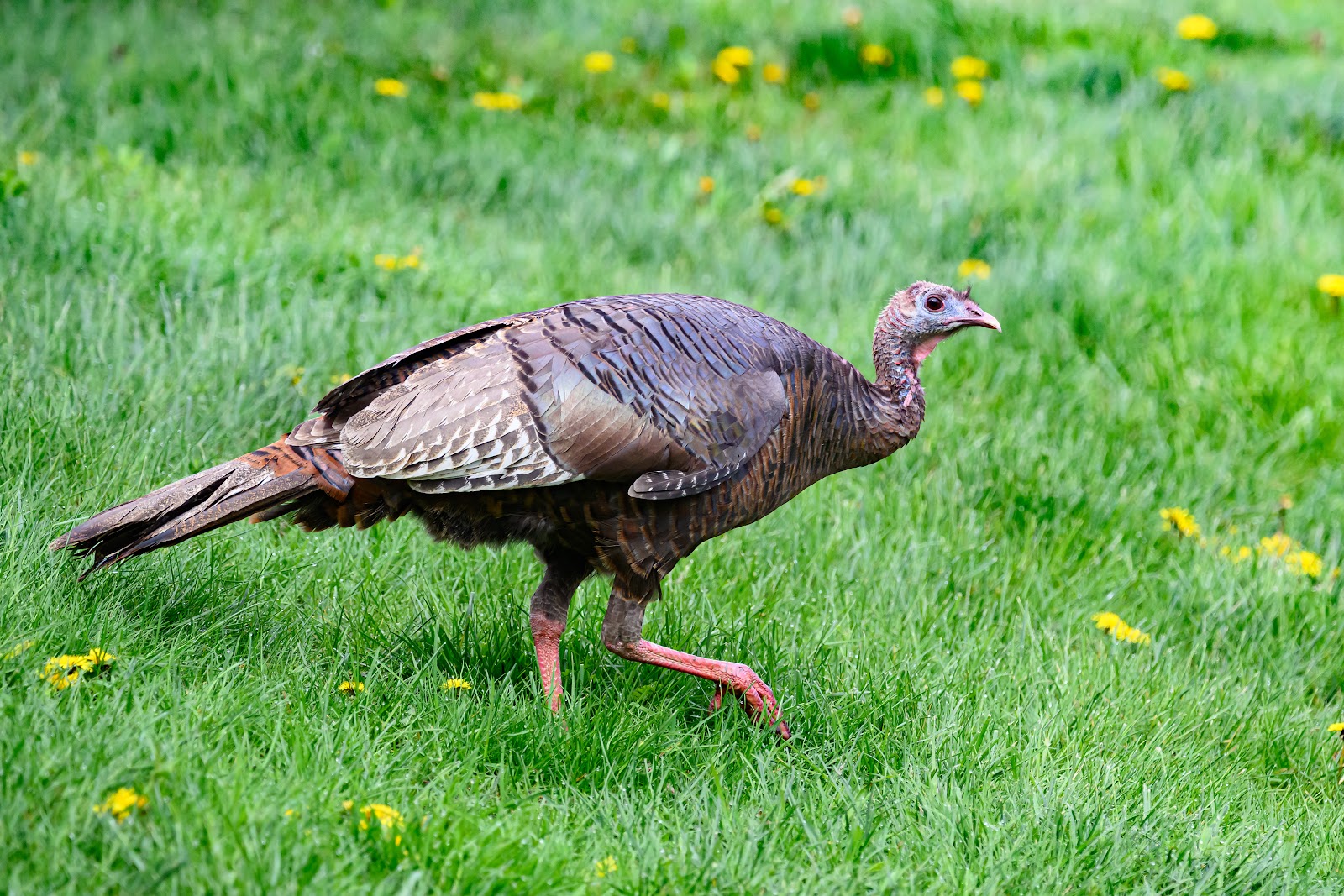
In the interest of full disclosure, your writer is in the “lover” camp. But I live with a “loather.” At this point, domestic tranquility is best served by my continuing to withhold cracked corn (while secretly hoping that some neighbor buys it by the mega-bag).
Whatever camp you find yourself in, do pause during your next wild turkey encounter to consider how their presence connects us to our unique history and landscape and how science-based wildlife management can help put nature back in a state of equilibrium–at least for the noble Meleagris gallopavo.
Author