Weston Media Center enters streaming era with programs on Roku
Beginning earlier this month, content available through Weston Media Center became available to watch on the Roku platform.
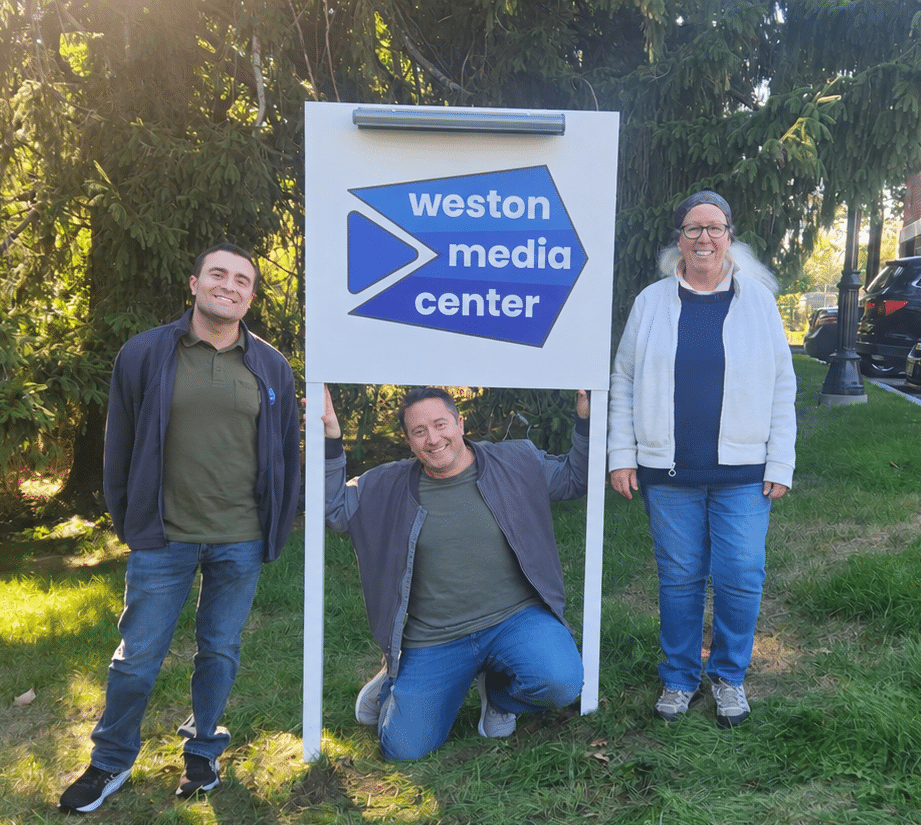
Beginning earlier this month, content available through Weston Media Center became available to watch on the Roku platform.
Having content on Roku serves as a new plan to get the people of Weston back into their living rooms and tuning into their community.
The addition comes following years of annual revenue decreases, according to Nathan Suher, Executive Director of Weston Media Center.
Weston Media Center, a non-profit, independent organization, has relied on negotiated PEG (Public, Educational, and Governmental) franchise fees for 95% of its operating budget since the organization began operation in 2009. As it has relied on households that solely hold cable television subscriptions, that revenue has decreased by 25% over the past seven years, Suher said.
While it may be a result of the Covid-19 pandemic, “people are cutting the cord,” Suher said. “People aren’t watching us on cable anymore.”
According to Nielsen ratings reports, cable television viewership declined to 20.2% by late 2025, an all-time low since cable became available in the 1980s. Additionally, the same report shows streaming usage increasing by 71% in 2021, accounting for 44.8% of total television usage as of May 2025.
Weston Media Center has provided both a government and public channel for its past 17 years of operation, releasing and developing community-oriented content for residents.
The decision for Roku came at a time when WMC was struggling both financially and in the eyes of their own community, Suher said. WMC has faced challenges with its branding because of the presumption that WMC is funded by the town. However, this couldn’t be further from the truth, Suher said.
“Community involvement is still an essential part of that effort,” he said.
Suher didn’t want the brand to die because households were cutting the cord and switching to streaming platforms.
Rather, Suher wanted WMC to adapt with the changing media landscape.
“Cable companies are charging an outrageous amount for cable,” said Suher, who has been with WMC since 2009. “It’s less easy to watch us because people are watching on demand or on phones or mobile devices.”
The media center used to serve as a connective tissue between the town community and the stories of individuals. Now, with that loss of connection, the media center has struggled to connect with a once loyal audience as it was pre-pandemic.
While the media center does not have access to Nielsen ratings, the standard audience measurement system that tracks how many people watch television shows and commercials, it has noticed an obvious decline in viewership since the pandemic.
“In the last six quarters [viewership is] not going to change so we had to look for alternatives,” Suher said.
The goal of the partnership is to create an easy-to-use and easy-to-find option without having to add a subscription. Accessibility became necessary when deciding who to partner with, so people of all ages in Weston can fully engage with the community.
When deciding on Roku T.V. to launch the departure from cable television, there needed to be a level of trust added back into the community between WMC and the people of Weston.
“This is not about a return on investment,” Suher said. “It’s about being able to access Weston stories.”
Despite the hurdles WMC has faced, Suher believes that an easier-to-access media outlet will be appreciated in the community, adding, “The karma of this will come back in a way.”
With future plans to also be accessible on Apple T.V. and Amazon Fire Stick, Suher said Roku is a step in the right direction in changing the media landscape.
“Technology is changing,” Suher said, “and we need to change with it.”
This story was written by a journalism student in Boston University’s Newsroom program, a partnership between the university, The Weston Observer and other news organizations in the Boston area.
Related Articles
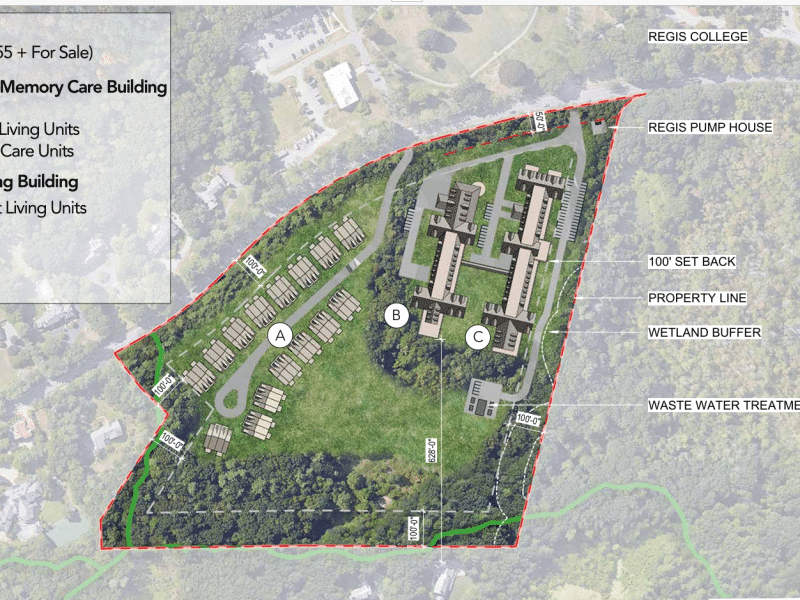
Select Board declines to add senior housing project to Special Town Meeting warrant
A senior housing project that has been the center of town discussions will not be moving forward to a town vote.
Residents will weigh in on gas-powered leaf blower ban
The ability to clear piles of leaves might get more complicated after November’s Special Town Meeting.
Select Board warns The Woods’ lease may be ended
The Select Board is again threatening to terminate the lease for the proposed Woods restaurant at the Josiah Smith Tavern.