
Residents will weigh in on gas-powered leaf blower ban
The ability to clear piles of leaves might get more complicated after November’s Special Town Meeting.
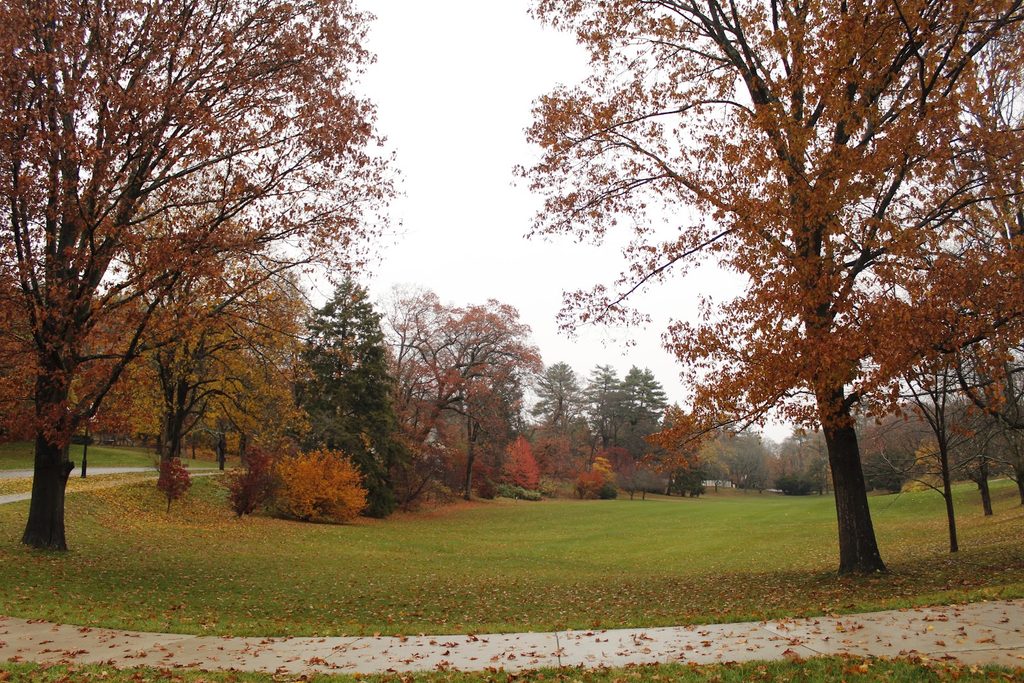
The leaves are beginning to turn. Some residents are gearing up for Thanksgiving dinner, and some – including the local landscapers – are gearing up for the largest yard cleanup of the year.
The ability to clear piles of leaves might get more complicated after November’s Special Town Meeting.
The Select Board at its Oct. 13 meeting voted to add a proposed gas-powered leaf blower ban to the Special Town Meeting warrant. If the ban is approved, residents and landscapers will only be permitted to use gas-powered leaf blowers on weekdays between 8 a.m. and 6 p.m. March 15 to May 15, on weekdays from Oct. 1 to Dec. 15 and on weekends from 10 a.m. to 4 p.m. Gas-powered leaf blowers would be fully banned in 2030.
Steven Butera, who owns Mike Butera Landscape in Weston, said the ban would create a financial burden for anyone with a gas-powered leaf blower because they will have to buy new equipment or hire help for clearing large properties.
“The homeowners that do their own landscaping will be most affected. The cost of landscaping is also going to go up for customers,” he said. “We have huge properties in wooded areas. People might have to hire people they didn’t have to hire before or have to buy new equipment.”
Butera said it would cost him thousands of dollars to replace his gas-powered equipment to comply with the bylaw if passed. Even with new equipment, Butera said the short battery life of electric leaf blowers will contribute to landscaping costs. One of the largest Weston properties he oversees, Beechwood Stables, takes 15 workers between 10 and 15 hours to clear up once the leaves drop. Butera said a fully charged electric blower can only last 40 minutes on average, and that the time spent charging would factor into payroll for employees paid by the hour and lead to higher bills.
“It would turn into a big problem with only being able to use battery-operated blowers,” he said.
Sustainability Committee Chair Nick Christman introduced the bylaw, which draws on similar restrictions passed in other communities across the state. In his time on the committee, Christman said the noise of gas-powered leaf blowers has been a common complaint.
“This has by far been the number one issue people have reached out and asked me to consider,” he said.
Christman is bothered by the sound of gas-powered leaf blowers himself as well. He says noise in his neighborhood is so loud that it has made his daughter cry while waiting outside for the bus. Christman said he has come to believe banning gas-powered leaf blowers would be good for the environment and for the health of users.
“I was looking into whether this is a real problem we are dealing with and what are reasonable solutions,” he said.
Christman said he came across information from the Icahn School of Medicine at Mount Sinai in New York City that compares the emissions of running a gas-powered leaf blower for one hour to driving a car 1,100 miles.
Weston is far from the only community in Massachusetts to consider banning gas-powered leaf blowers. Butera said that other towns who have passed these bans are not a fair comparison because the lot sizes are so much smaller than Weston’s, where most homes have a minimum lot size of close to an acre.
“Other towns where this has been implemented in, like Belmont or Somerville or Newton, are on the average of .38 acres,” he said. “We’re in a wooded community, not a little city that abuts Boston. Some of those electric blowers couldn’t even handle some of the driveways here.”
Butera said he works on over 100 properties in Newton, which has a seasonal ban and decibel limit. He said he has had to charge more because he could not absorb the additional cost.
“We’ve gone to the lower decibel blowers,” Butera said. “For customers in October we went from $500 to $1,500 because of wait times for battery-operated blowers,” he said.
He added he felt that one provision of the bylaw, which would allow the town’s Department of Public Works to continue using its gas-powered leaf blowers until they reach the end of their life, felt discriminatory against the rest of Weston trying to clear their yards and driveways.
Lexington began to phase out gas-powered leaf blowers in 2022 and they are now banned. The town’s Sustainability & Resilience Officer Maggie Peard said the ban was controversial when it passed because of the financial impact having to purchase electric leaf blowers would have on landscapers. The town tried to connect landscapers with grants and suppliers.
“It was definitely a bit rocky, but now that we are seeing more and more towns go along with it; things have been easier,” Peard said. “I think the phase-in approach was really important. It got people talking about it years in advance of the hard line.”
Peard added she does not have a clear insight into how the landscapers have fared since the full ban went into effect.
Butera said he was concerned a ban would only add pressure on an already difficult industry. He said the pressure from Immigration and Customs Enforcement (ICE) has already made it difficult to keep businesses going, and that adding hurdles to the industry would push people to look for other jobs. He also cited a lack of local mechanics for electric leaf blowers as another obstacle. When they break down, Butera said he has to send them back to manufacturers, while there are repair options in the area for gas-powered leaf blowers.
At the Oct. 20 Select Board meeting, member Lise Rivers said she has received several calls from landscapers since the Board voted to put the bylaw on the warrant. Revers, who owns Beechwood Stables, said she withdrew her support of the ban because of the economic impact it would have on local businesses.
“I know it’s going to be on the warrant anyhow, so the town will be voting on it, but many of these landscapers believe that this bylaw will create an untenable situation for their businesses,” Revers said. “There are other towns, including towns very close to us…they’ve adopted seasonal bans that limit the use of gas blowers to certain periods of time, and I think that is an approach the town should consider.”
Author

Related Articles
Weston Media Center enters streaming era with programs on Roku
Beginning earlier this month, content available through Weston Media Center became available to watch on the Roku platform.
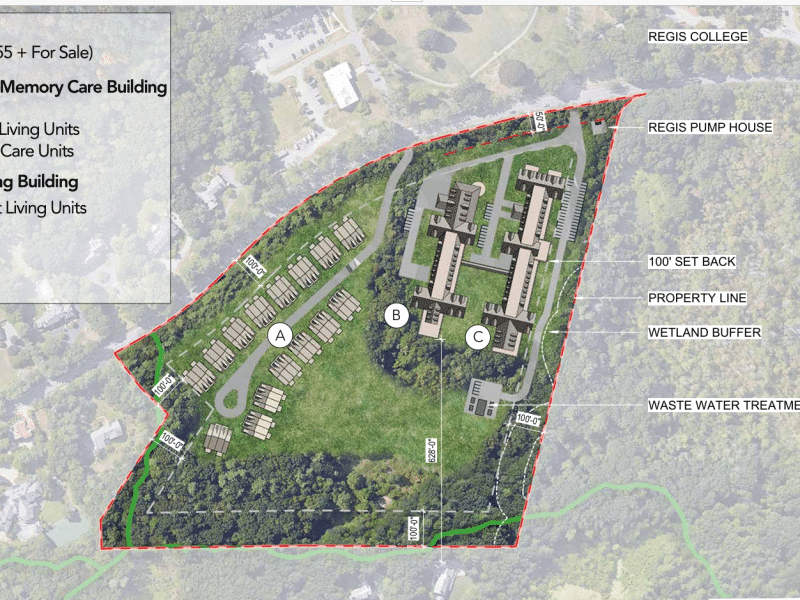
Select Board declines to add senior housing project to Special Town Meeting warrant
A senior housing project that has been the center of town discussions will not be moving forward to a town vote.

Select Board warns The Woods’ lease may be ended
The Select Board is again threatening to terminate the lease for the proposed Woods restaurant at the Josiah Smith Tavern.