
History corner: When it comes to taverns, it’s location, location, location
The main road through Weston was the most important thoroughfare connecting Boston with New York and Washington.
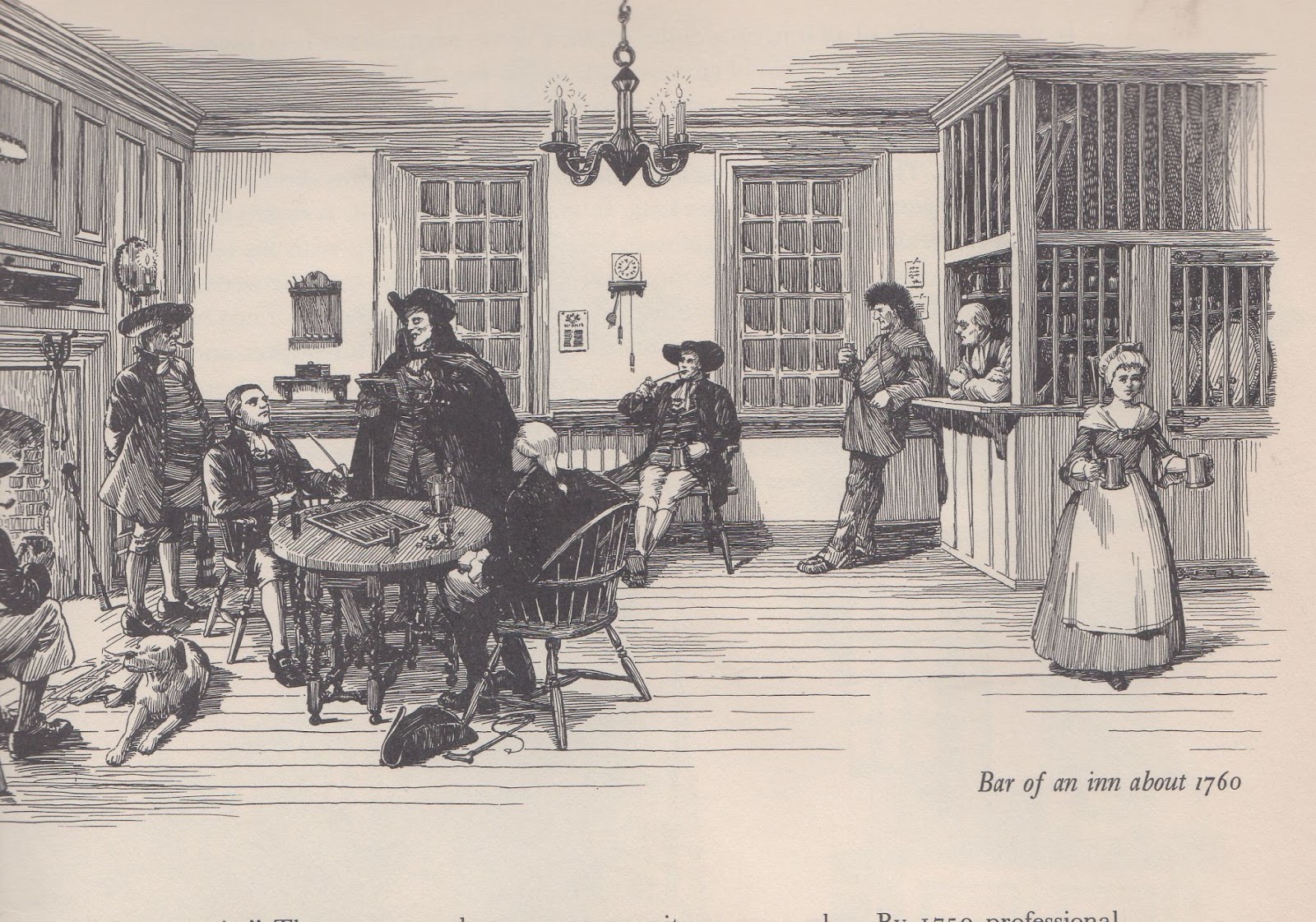
The main road through Weston was the most important thoroughfare connecting Boston with New York and Washington. Weston historian Daniel Lamson wrote that keeping a tavern “was the most profitable business of all country towns along the main arteries of travel.”
At that time, the word “tavern” had a different connotation than today. Early taverns not only provided meals and lodging to travelers but also gave local residents a place to socialize, transact business and exchange news and opinions. Some taverns had halls for town meetings and entertainment.
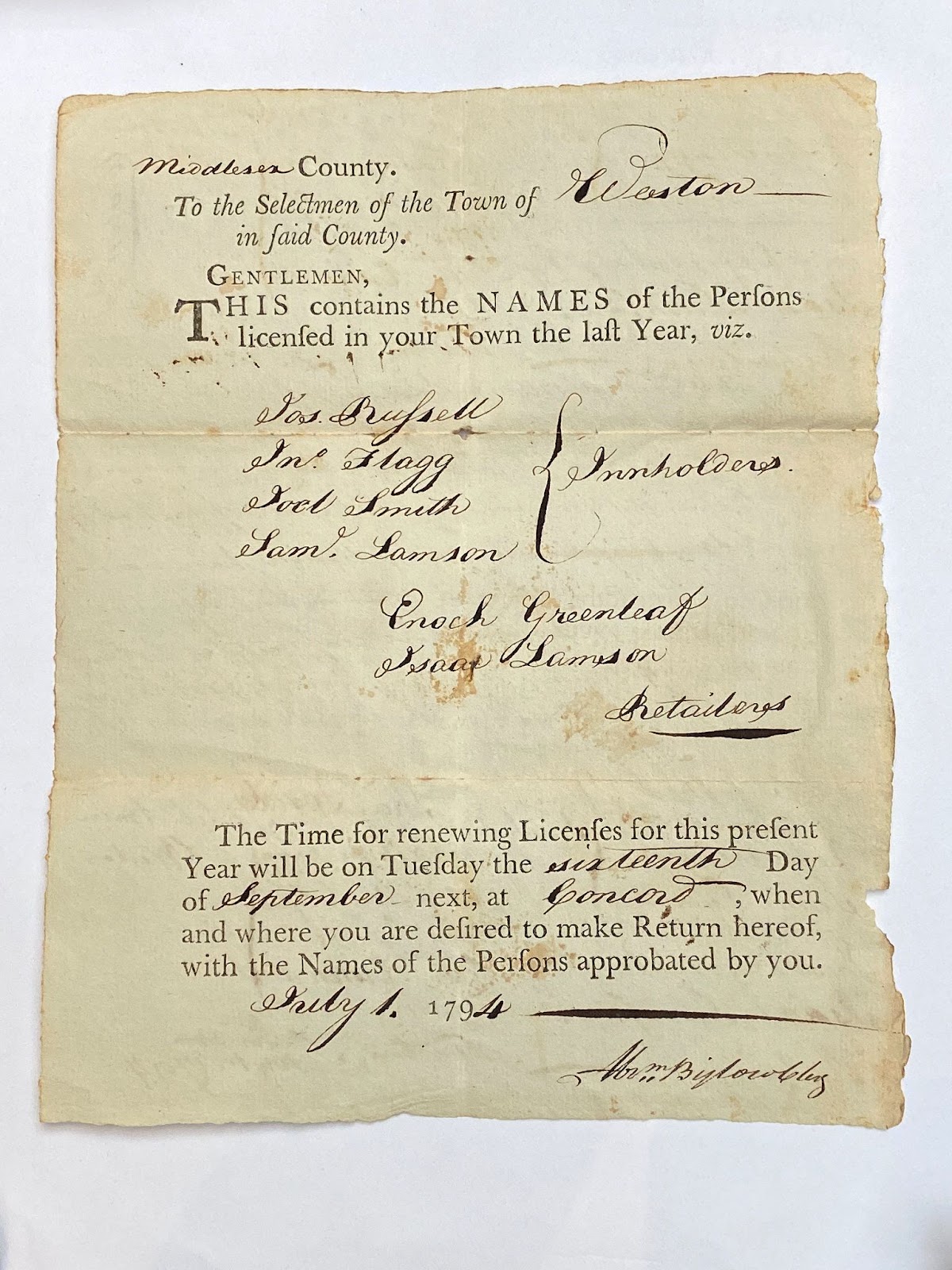
Colonial taverns were highly regulated to safeguard travelers and control alcohol sales. Towns issued two types of licenses annually, one for innkeepers and another for retailers, who could sell alcohol but not serve it or have overnight guests. The town’s selectmen had to endorse the character of these men (and the occasional woman). Innkeepers also had to follow strict Sabbath regulations.
The first innkeeper’s license in Weston was issued in 1685.
Who stayed in Weston’s taverns? There were travelers on horseback, for example, post riders, merchants, surveyors and militia men; also teamsters driving produce to market in heavy canvas-topped wagons pulled by oxen. In addition, drovers with cattle and hogs headed to slaughterhouses in Cambridge and Brighton also frequented the taverns
According to Lamson, the playing of “Dice, Cards, Tables, Quoits, Loggers, Bowles, Ninepins,
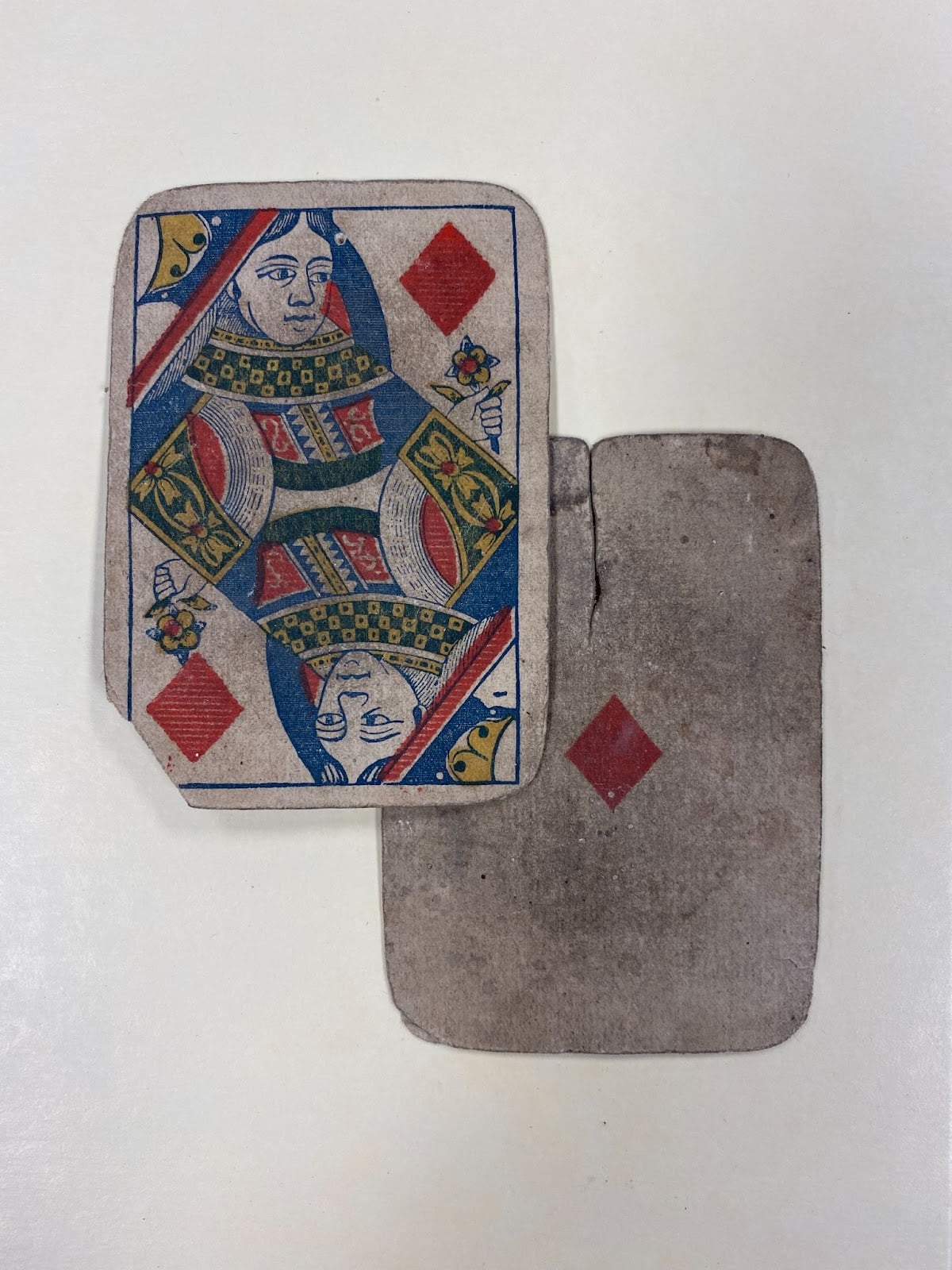
Billiards, or any other unlawful game” was forbidden in early taverns. However, by the time of the American Revolution, the tavern scene had changed: “Gambling, or perhaps more correctly speaking, card-playing, was … a common practice, not by any means confined to any one class of people but prevailed generally among rich and poor, old and young alike. None would have thought it wrong to stake money or valuables upon the result of games of chance of any sort.”
Card playing was still illegal on the Sabbath, but Lamson tells us that, in the attic of the Josiah Smith Tavern, there was a concealed room where “the degenerate sons of early Bible-loving Christians were in the habit of resorting to this unhallowed spot even on the Lord’s Day.
Rum was the main drink, followed by beer, wine, and hard cider. Punch was also popular, made with tea, rum, spices, fruit juice and abundant quantities of sugar, and served in large containers. Tavern keepers also mixed drinks such as the popular “flip” : a mixture of strong beer, rum, and a sweetener such as molasses or dried pumpkin. Tavern keepers would drop a hot iron loggerhead into the pitcher, causing the mixture to foam and develop its characteristic burnt flavor.
Entertainments included dancing, traveling shows, and plays. Joel Smith enlarged his father’s tavern around 1805, adding a large hall on the second floor, later called the ballroom. Ellen Jones, who lived in the former tavern years later, wrote that her grandmother recalled coming from Waltham to attend dances there, probably in the 1820s. The Golden Ball Tavern has a second-floor room that can be expanded by raising a wooden partition that separates the room from the hallway stair landing.
The decline of taverns can be attributed in part to reform efforts that linked poverty and domestic violence to alcohol and gambling. The “15 Gallon Law,” passed by the Massachusetts legislature in 1838, aimed to curb alcohol sales by requiring purchase of no less than 15 gallons. The unpopular law was repealed after only two years. At least one Weston tavern, the one established by Josiah Smith in 1757, closed in 1838 after 81 years and never reopened. The Woods restaurant, scheduled to open in the fall of 2026, will serve alcohol to the public for the first time since 1838.
Hot Ale Flip: A colonial cocktail (modern version)
Source: Good.Food Stories, goodfoodstories.com/colonial-ale-flip
- 3 fluid ounces (6 tablespoons) dark rum
- 3 tablespoons molasses
- 2 large eggs
- 1 pint (16 fluid ounces, or 2 cups) dark beer such as brown ale, porter, or stout
- freshly grated nutmeg for garnish
Pour the rum and molasses into a pint glass. Crack the eggs into a second pint glass and beat well with a fork. Warm the beer in a small saucepan over low heat just until it begins to froth and steam. Don’t let it come to a boil.
Pour the beer into the glass filled with rum and molasses, then pour the mixture into the pint glass containing the eggs.
Continue to pour the drink back and forth between the two pint glasses until smooth and well blended.
Divide the drink between two mugs or other heat-safe drinking glasses. Grate fresh nutmeg over the flip and serve immediately.
Author

Related Articles


Backyard Naturalist: The miracle of metamorphosis, or a very hungry caterpillar
Backyard Naturalist Michael Pappone explores the caterpillar metamorphosis process in this week’s column.