Student advocacy looks to expand school lunch options
Zoey Ying is trying to make high school lunch more accessible and environmentally-friendly through vegan options.
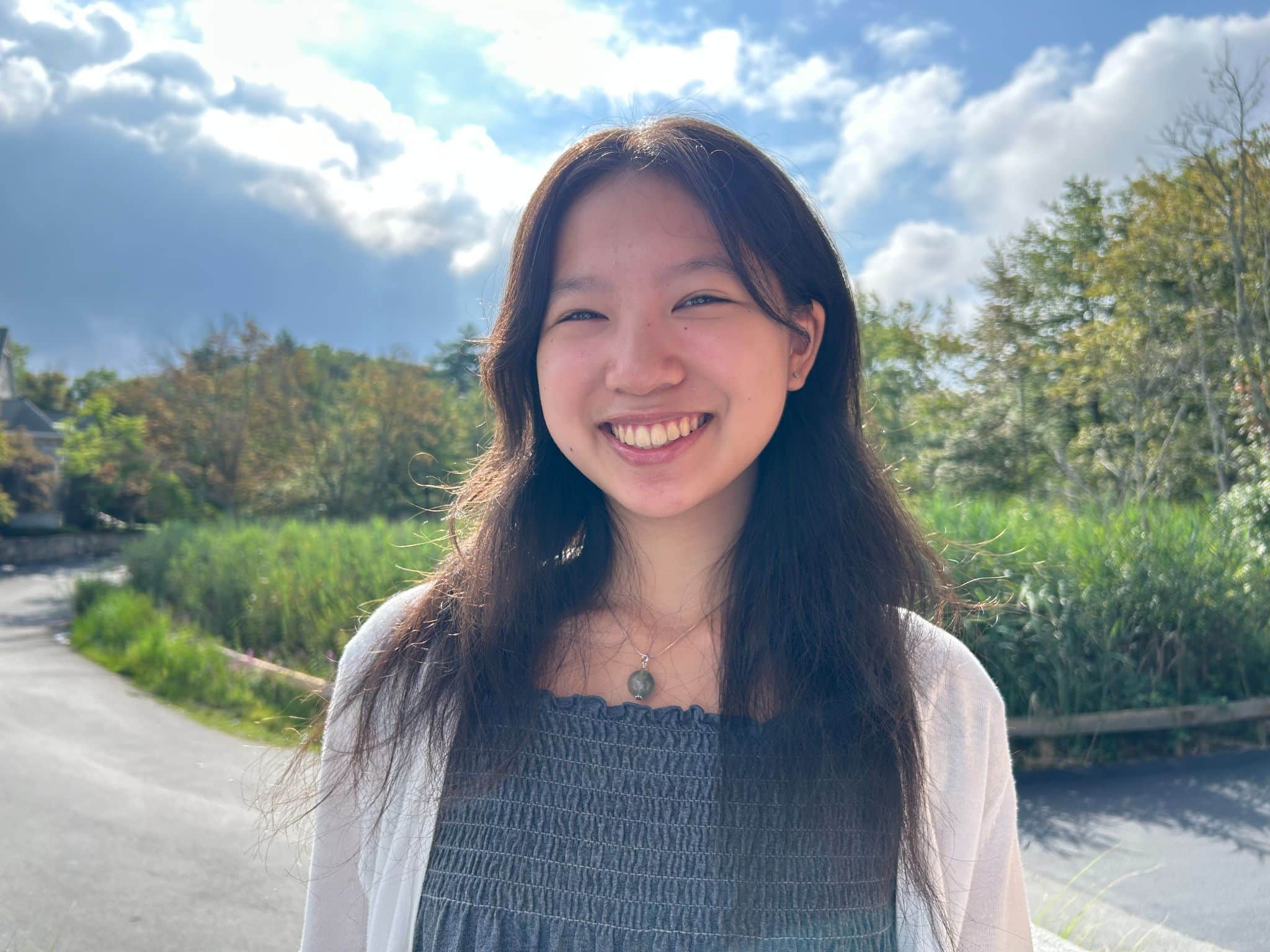
Most students would agree the most important part of the school day is lunch. Rising junior Zoey Ying is trying to make it more accessible and environmentally-friendly by introducing vegan options for students in Weston and across the country.
Ying, a pescatarian, is a member of the Plant Powered Youth Fellowship, a program connecting students from across the country to advocate for plant-based food options. She said having meals that are entirely plant-based gives more options to students who cannot or do not want to eat animal products and introduces them to new food options that can be more environmentally friendly.
“We want to expand more plant-based options because it is not just for people who have dietary restrictions,” she said. “Everyone can eat plant-based options…but people with these dietary restrictions can’t eat meat and animal-based products that are typically served.”
Ying reached out to Weston Food Service Department Director Charlie Kotufo to see if vegan options could be introduced in the cafeteria. She came with suggestions, including a sofritas burrito bowl and tofu bibimbap. Kotufo said he may introduce a few meal options come October and November, in addition to the existing vegetarian menu items in the cafeteria.
“We’re very open-minded to suggestions that come our way from the students, because that’s why we’re here,” he said.
Kotufo said that bringing new items to the cafeteria menu is a complicated process. Meals have to meet the standards set by the Massachusetts Department of Elementary and Secondary Education and the National School Lunch Program. The food service department is also contracted with certain food producers, limiting what ingredients may be available.
While school lunch and breakfast are free to students, Kotufo said the food service department is self-funded through student purchases of additional meals and a la carte items, so it is important to offer items that are popular with the students. The current most popular meals include chicken fajitas and rotini with meat sauce.
“We work on customer demand and what is required. A lot of popular items are meat-based,” he said. “Another challenge is adding plant-based options next to our meal of the day because at this point I don’t know if students are ready for that to be their main choice.”
Ying’s advocacy goes beyond town lines. This summer, she joined other members of the Plant Powered Youth Fellowship in Washington D.C. to advocate for the Plant Powered Meals Pilot Act, which would create a grant for schools interested in providing plant-based lunch options, and the EFFECTIVE Food Procurement Act, which would reform U.S. Department of Agriculture (USDA) food purchasing to prioritize sustainability while also creating more opportunities for small farmers and ranchers. Ying met with members of the Senate Agriculture Committee and the House Education and Workforce Committee.
In previous years, Plant Powered Youth Fellowship students met with USDA representatives. This year, the department declined the meeting, according to the fellowship. USDA has not responded to a request for comment.
Despite this, Ying said she and her cohort will continue to advocate.
“There’s a lot of benefits to this that a lot of people don’t really see because of all the misinformation that’s been really common recently,” Ying said. “It’s still important to advocate for these plant-based options and show people it’s important regardless of what’s going on.”
Author

Related Articles

Community the key to success for Wayland-Weston Rowing
Over the years, the town of Weston has become a breeding ground for individual and team success in the sport of rowing
Students, parents take to the roads for Bike to School Day
The wheels on the bus go round and round, and last week, bicycles, scooters and skateboards joined the ride to school.
Town Government 101: What’s in a feasibility study?
You hear about feasibility studies for a variety of projects around the community – fire and police stations, the school building project, to name a few – but perhaps you may not know what the document actually represents.