
Backyard Naturalist: Greet the dawn chorus this spring
Spring is here! Join Backyard Naturalist Michael Pappone in slowing down each morning and listening to nature’s bird choir.
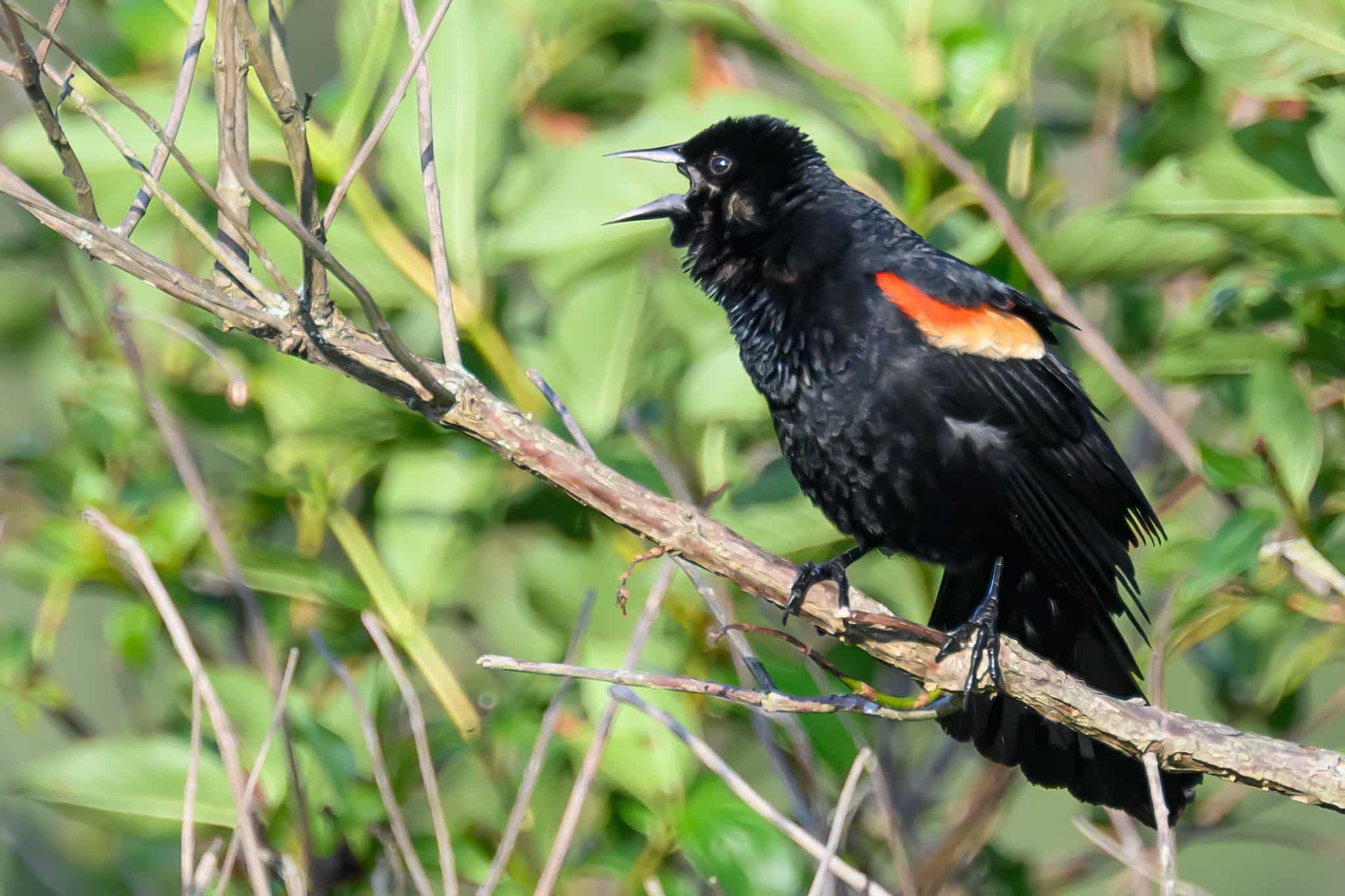
“Somewhere, always, the sun is rising, and somewhere, always, the birds are singing.” Donald Kroodsman, “The Singing Life of Birds” (2005).
It’s been this way for 150 million years. This morning while the newspapers lay in stillness, cocooned in their plastic bags at the end of the driveway, our own Weston birds were reminding anyone who would listen that the rites of avian spring are being performed across the Northern Hemisphere. If you’re like me, and absorb little sensory input before the first cup of coffee has done its magic, you’ll appreciate that even your own Backyard Naturalist was somewhat taken aback when he greeted the dawn and was met with a symphony of birdsong that jolted him into alertness.
The coffee is still brewing. But I linger under the leafless oaks, looking over the hardly visible garden shoots. The kaleidoscope of audio input transfixes me. I’ve come to know the voices of our local birds as if they belong to my own family. The chickadee has added a two-note “fee-bee” song to his repertoire. ‘Spring’s here!’ The titmouse has changed his tune and is now singing “peter peter peter.” The nuthatch is furiously “ank ank ank-ing,” upside down on the tree trunk somewhere. Dueling cardinals are positively screaming “cheer cheer cheer-chip chip chip.” The robins insist on being heard over the ruckus: “cheerily-cheer-up” echoes from all points on the compass as they vie for the attention of potential mates. The blue jay will not be left out with his raucous “jeer jeer jeer” shrieking.
I grab my iPhone and click hastily on the Merlin app (the Shazam of birdsong; free from Cornell) to see if I am missing anything. Just then the maniacal Woody Woodpecker chortle of the pileated woodpecker explodes from above. Too late for my Merlin to grab it–but that’s a song I don’t need Merlin’s help to identify, anyway. What does appear first on the trusty app’s screen-log blows me away: a wood duck?! I had not picked that up at all over the racket of my other feathered friends. As luck would have it, seconds later a pair treats me to a whistly-squealy “oo-see oo-see” duet as they perform their low-level flyover. It’s really time for that coffee now.
Each of these birds has its own album of songs and calls – some more varied and rich than those of others. In the spring they sing. And sing and sing. Their songs signal their overall health and readiness for mating season, reminding their pair-bonded better half that they’re still in business. Or helping a bachelor bird attract his first mate. Most of our birds will keep right on singing through the end of their breeding cycle, defending territory and reminding the mate that she chose well.
As the summer wears on, you’ll maybe find you’re not so inspired to linger on the pavement after fetching the morning paper. Birds have fledged. Mates are now just interested in where each other are, and retreat to lower energy contact calls to stay in touch. Robins end the day with “chuck chuck chuck” calls. The cardinals’ call is a metallic clink note. Why the Carolina wren insists on punching above its weight with its incessant “teakettle teakettle teakettle” all year long is anyone’s guess.
Learn some bird songs (and calls). Linger a bit. Let images of the singer come to your mind’s eye even if the singer remains hidden from view.
“The earth has music for those who listen.” – William Shakespeare.
Author

Related Articles

The Student Observer: What a week without my phone taught me about attention
For one week during Natalya Lucas’ study abroad program in Switzerland, their phones were taken away.