
Mechanic shortage reflective of wider hiring problems
The DPW has just one mechanic, exacerbating maintenance needs. It is an example of how hard it is becoming to hire municipal workers.
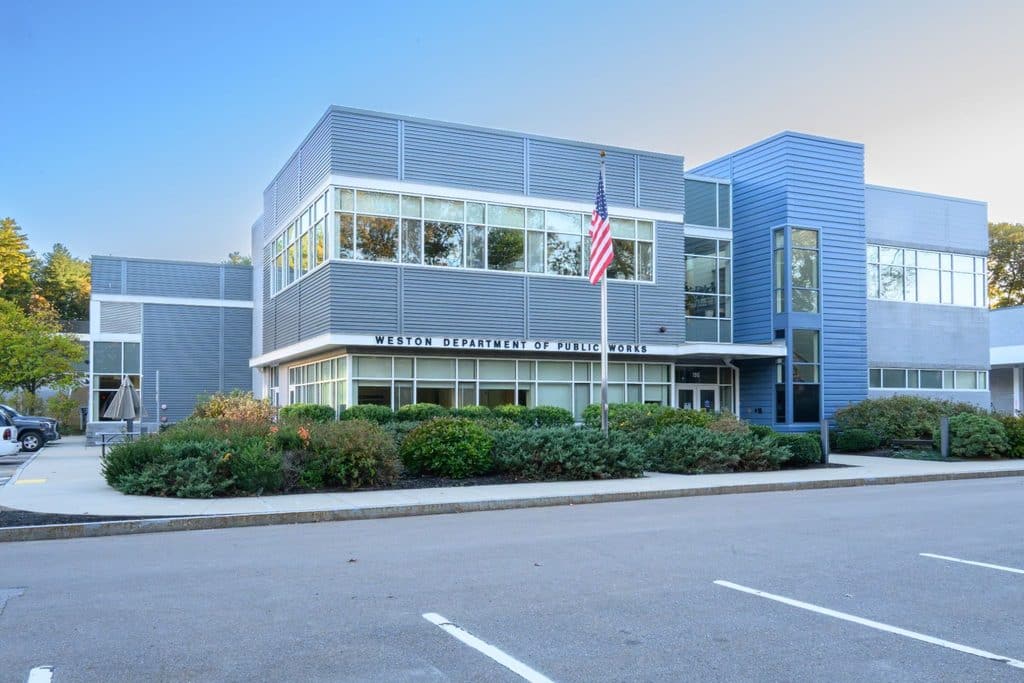
Some of the most visible and important municipal work in Weston is done by the Department of Public Works. Paving roads, sweeping streets and keeping water flowing is a tall order made more difficult without a full staff.
The DPW is currently one-third of its optimal number, with only a single mechanic in the vehicle maintenance division. Director Richard Sullivan said balancing work among a thinner staff makes everyone’s jobs more difficult.
“We’re managing it with a little chaos in the background,” he said. “We’re surviving, but it’s not pretty.”
The department is currently seeking to hire two mechanics, a supervisor of vehicle maintenance, a water systems specialist and an administrative assistant.
“Fifteen years ago, we put out a position, we’d receive 319 applicants, but now we get two or three,” Sullivan said.
The DPW’s schedule has been slowed to compensate for the lack of staff, according to Sullivan. It is taking longer for the department to get through its agenda of roadwork. The school district is now leasing buses because the town’s mechanic shortage has made it impossible to keep the existing fleet in working condition.
With one mechanic in the garage, the workload is heavy. The DPW works with Fire Department mechanics to complete necessary repairs. When a machine like a street sweeper needs maintenance, Sullivan will reach out to its vendor or to mobile mechanics, who go from town to town to meet municipal needs.
Assistant Town Manager Lisa Yanakakis said a number of factors are contributing to the shortage of mechanics, including a societal stigma against going into the trades and a lack of general knowledge about what careers are available in government. The town has done what it can to make these roles more appealing to those that do have the skills. Hourly wages were increased this fiscal year. The town also offers reimbursement for commercial driver’s license school tuition after five years of service.
“Good mechanics are coveted,” she said. “[But] There are not a lot of mechanics skilled in the work we need.”
Beyond mechanics, hiring is difficult for entry-level positions across fields in municipal government, according to Town Manager Leon Gaumond. He said people looking for these roles, which include lunch monitors and administrative assistants, tend to live farther away, in towns more affordable than Weston.
“The state pension is nothing to sneeze at,” Gaumond said. “We have a good story to sell, but finding people willing to drive that distance is hard.”
It’s not just a Weston problem. Hiring for municipal roles is difficult across the state. Massachusetts Municipal Association Executive Director Adam Chapdelaine said municipal governments in the region struggle to compete with private-sector salaries or positions closer to home.
“Specifically in Greater Boston, I do feel there has been for quite a while now a compounding effect,” he said. “It’s lower pay and it’s very expensive to live in Greater Boston.”
As Arlington’s former town manager, Chapdelaine said distance makes it hard to retain employees.
“We had folks living in New Hampshire and driving down to work,” he said. “Even if you recruit somebody, if they can find an opportunity closer to home, they’re going to take it.”
The desire to have a life outside of work can make it difficult to find DPW employees, even if they live near potential employers. The department is responsible for snow removal, which Sullivan says takes a heavy toll on workers.
“It’s a whole work package that people want to avoid,” he said.
Last winter two snowstorms hit Weston and resulted in 70 hours of snow removal work. Yanakakis said low interest in winter overtime is part of a bigger shift for employees who prioritize a work-life balance. She said that the town has adapted to that, too, by implementing summer hours for the DPW, so employees can get out of work earlier.
“We’re trying to adapt to the new expectations,” Yanakakis said. “Not just in office jobs, but for all types of work.”
Author

Related Articles
FY27 water rates set; town prepares for water tank debt
The Select Board voted to raise water rates around 5% across all tiers at its Sept. 29 meeting to help fund the water tank replacement project.
Special Town Meeting warrant taking shape
Weston residents will have a chance to weigh in on the town’s future at the Special Town Meeting, Nov. 23. As the date gets closer, the Select Board is shaping what will be on the docket.
‘Grave cost:’ Route 30 letters overwhelmingly oppose project
Dozens of resident wrote letters opposing the Route 30 reconstruction project, citing concerns about the environment and safety.