
FY27 water rates set; town prepares for water tank debt
The Select Board voted to raise water rates around 5% across all tiers at its Sept. 29 meeting to help fund the water tank replacement project.
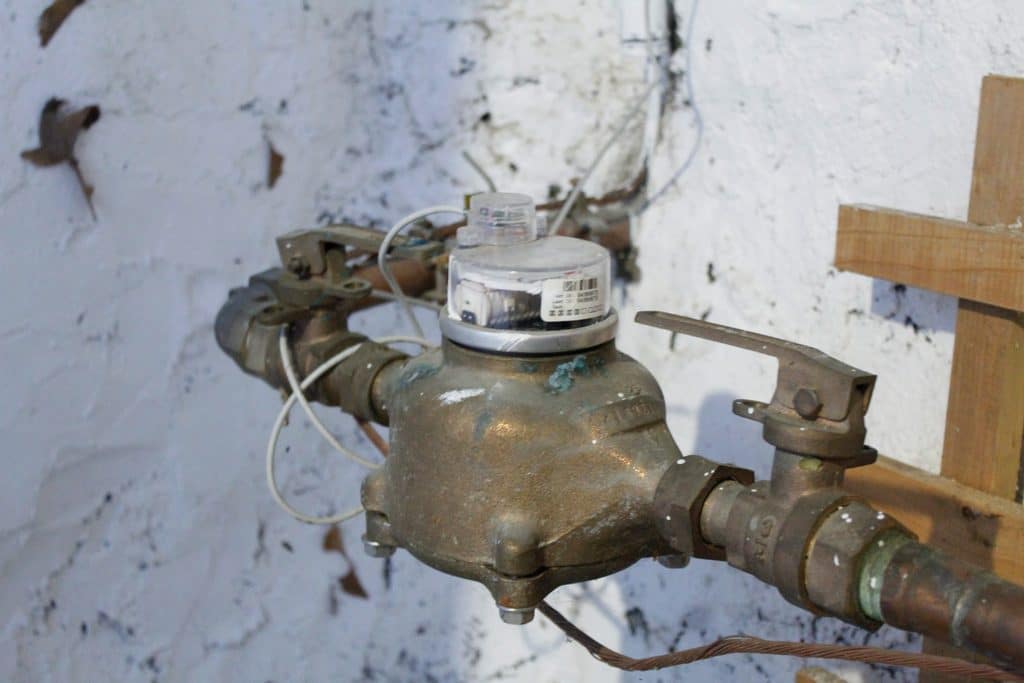
Whether water is worth its weight in gold may be up to hydrogeologists, but it’s getting more expensive in Weston.
The Select Board voted unanimously to raise water rates around 5% across all tiers at its Sept. 29 meeting to help fund the water tank replacement project.
Water bills in Weston are made of two charges: the fixed rate, which is based on the size of pipes in a home, and the tiered-rate, which is based on water usage.
Residents who use 5,000 cubic feet or less will be charged $3.60 per 100 cubic feet, as up from the previous rate of $3.40. Users in the second tier, from 5,000 to 15,000 cubic feet, will now be charged $10.70 per 100 cubic feet, up from $10.20. The third tier, which encompasses any water usage past 15,000 cubic feet, will cost a dollar more at $21.40 per 100 cubic feet.
The town has built its retained earnings through water rates to fund the water tank project once debt payments begin. According to Town Manager Leon Gaumond, there is $9.1 million in retained earnings as of the end of fiscal year 2026. He said debt payments will require around $2 million from the water enterprise fund every year. Those payments are expected to start either in FY 28 or FY 29, according to Gaumond.
“We’ll still have revenues coming in…We’re still going to have retained earnings, but that $10 million is going to deplete pretty quickly, depending on how we manage the rates,” he said.
Select Board member Anupam Sachdev compared the new rates to those in Lincoln, saying that even with this increase, Weston residents are getting a good deal. In Lincoln, tier one, which covers just over 2,500 cubic feet of water, costs $6.24 per 100 cubic feet. The highest tier – the rate for water used over 5,347 cubic feet – costs $30.77 per 100 cubic feet. He said the small increase now will prevent a larger burden in the future.
“If you don’t build that up with the rate structure, you’re going to have a big cliff when the earnings are depleted,” Sachdev said. “I think maintaining a small, steady increment is probably more beneficial.”
Author

Related Articles
Mechanic shortage reflective of wider hiring problems
The DPW has just one mechanic, exacerbating maintenance needs. It is an example of how hard it is becoming to hire municipal workers.
Special Town Meeting warrant taking shape
Weston residents will have a chance to weigh in on the town’s future at the Special Town Meeting, Nov. 23. As the date gets closer, the Select Board is shaping what will be on the docket.
‘Grave cost:’ Route 30 letters overwhelmingly oppose project
Dozens of resident wrote letters opposing the Route 30 reconstruction project, citing concerns about the environment and safety.