Make it a Habit: Am I done yet? Sustaining health change over time
How can you ensure the lifestyle changes you’ve made stick?

When I start a new coaching engagement, I already know that the relationship I’m building with the person sitting in front of me will end in a few months. That’s by design. As a coach, my objective is to help each client achieve their goals and reach the point where they can sustain what they’ve accomplished without my help.
Yet I can’t help but wonder how the people whose lives I’ve touched fare over time. When I hear from a former client that the change they worked so hard to create continues to be an ingrained habit, I’m thrilled for them. I’m also reminded of what supports lasting change. While every coaching relationship is unique, there are several threads they all have in common.
Think about how you felt at the start of an effort to change your health. Did you feel hopeful? How about excited? Maybe even optimistic? Hope and excitement are two powerful, future-focused emotions that can drive change. Regardless of the area you’re focused on, optimism is the mindset shift at the heart of successful change.
Mindset and emotions can be cultivated. Building and practicing new habits and seeing results reinforces optimism and reminds us that our hope and excitement for the future are well placed. After several weeks of steady progress, the question I’m invariably asked is, “Am I done yet?” To answer that question, I ask my clients to ask themselves the following five questions.
Does the habit you’ve worked to build feel more natural now than it did at the start? While habits are never truly automatic, established habits should feel easier to maintain, and over time they become the proverbial new normal. For most clients, being able to answer yes to this question takes about 6 months of steady habit practice.
If something in your life changes — and it doesn’t have to be significant or even unwelcome — does your habit endure? For example, you’ve spent the last few months building a fitness routine around two post-work gym sessions each week. Then your work schedule shifts, making it harder to stick to that routine. How will you continue your fitness habit? Perfection is never the goal.
The ability to adapt and stay on course, especially over time, is.
What do the early warning signs of an eroding habit look like? Is it a week of missed gym workouts? Too many late nights that interfere with the sleep habit you’ve built? Or an overall sense that you’ll simply restart tomorrow, and if not tomorrow, then definitely the day after that? Gauging the effect of habit slippage will likely be the same impact that prompted you to start making health behavior changes in the first place.
Do you have a system in place to support your success when your coach is no longer an active presence in your life? Accountability — another word for support — is something most of us need yet sometimes find difficult to ask for.
Finally, why did you start working towards healthy habits in the first place? You had a vision for your best health. There were aspects of well-being that mattered to you, and the changes you’ve made reflect those values. Remembering why change was so important, and celebrating everything you’ve accomplished, is one of the best ways to sustain healthy behaviors over the long term.
Author

Related Articles
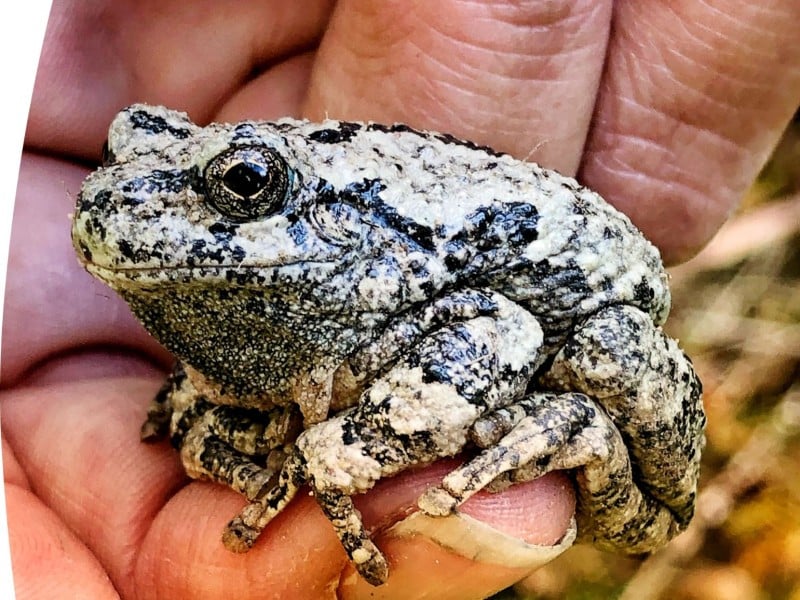
Backyard Naturalist: The long-toed, grumpy-faced, chameleon-like gray tree frog
The nocturnal gray tree frog, while elusive, can be heard throughout the spring and summer breeding season.