
Backyard Naturalist: Tick season: We’re not yet out of the woods…
Right now adult deer ticks are reaching the apex of their feeding frenzy.
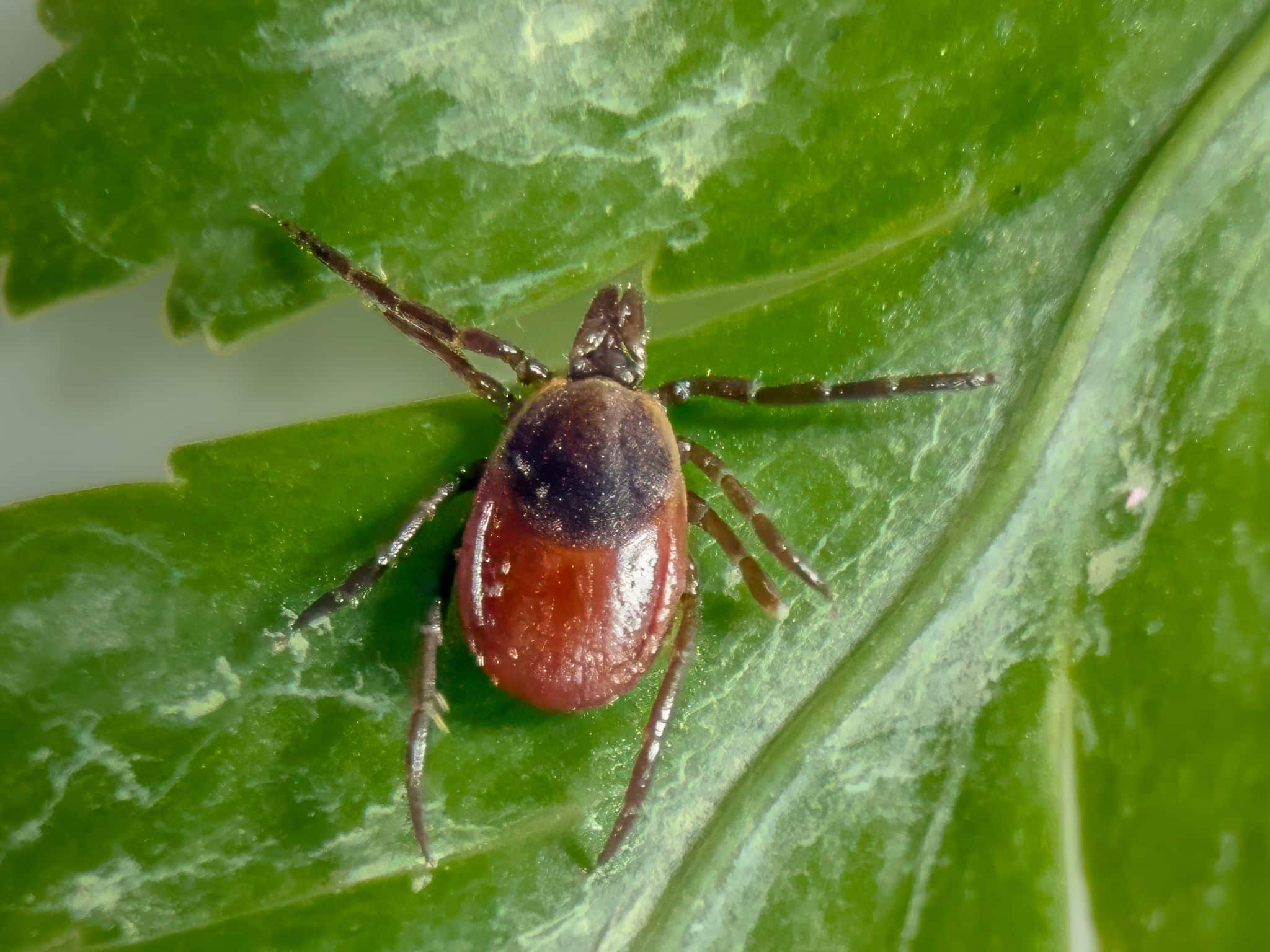
…And neither are the ticks. In fact they are in the midst of a busy season. Right now adult deer ticks are reaching the apex of their feeding frenzy. They are at their most voracious when one of their favorite host animals, the white-tailed deer, is frantically searching for mates in their breeding season. It’s time for outdoor enthusiasts to double down on their diligence on the trails and in the woods.
Deer ticks (Ixodes scapularis) belong to one of three species of ticks found in the commonwealth. Dog ticks (aka wood ticks) are the other, larger species frequently encountered in Middlesex County. The lone star tick is still confined to the southeastern counties and the islands. Each tick poses its own unique, scourgeful threat. Lone star tick saliva often triggers allergic reactions to most mammalian meat and dairy products; infected wood ticks can spread tularemia and Rocky Mountain spotted fever.
But the deer tick is by far the most dreaded. These creatures’ lives start in spring with a six-legged larva hatching from an egg. This larva needs to find a blood meal or it won’t live to morph into an eight-legged nymph. The poppy seed-sized nymph, too, must find a source of blood to molt into an adult. Finally, the adult needs its own blood meal before it can mate and lay eggs. Along the way, each can contract the pathogens that cause disease in humans by ingesting germs from an animal carrying a bloodborne infection. It’s the infected nymphs and adults whose bites transmit pathogens into our bloodstreams. The two favorite host animals themselves – white-tailed deer and white-footed mice – serve as reservoirs of the microbes; but they don’t suffer from the pathogens they carry.
Today’s ticks have reason to celebrate: in a warming world, the length of their seasonal activity is extended — and they even reawaken on winter days when the temperatures exceed 35 degrees. Do I dare pray for a bitter winter? I do know I’ll be rooting for local bow hunters like “Tick Man Dan” Wolff to harvest a lot of deer in Weston. Dan combs the hides of all his game and sends the ticks off to university labs for ongoing research projects.
Having myself contracted tick-borne babesiosis (a blood-borne parasite similar to that carried by the malaria mosquito), I have a vengeful interest in the success of those on the front lines of the tick wars. My case was promptly diagnosed and relatively mild. But the cases of two other people I know were downright life-threatening.
Your best defense against tick-borne diseases is vigilance. Don’t let these tiny enemies scare you away from experiencing the wonders of the Weston woods. Wear light-colored clothing. Permethrin-treated fabrics provide extra protection, as does insect repellent. Tuck pant legs into socks. Wear ankle gaiters. Stay in the center of the trail. Ticks cannot fly or jump.
Toss your clothes straight into the dryer when you get home; let them have a 20-minute ride on hot. Check your body (and your pet’s). Ticks prefer thin skin like that around your ears, armpits, groin, the backs of knees and between your toes. Take a shower. Then plan your next woodsy outing with confidence.
If you do find an attached tick, gently pull it straight out with tweezers and consult your doctor about prophylactic treatment and symptoms to watch for. The health department has provided tick kits in the lobby at Town Hall.
Author