
What do you know about the man behind the tavern?
Josiah Smith built a tavern, but there was more to his life than a 300-year-old building.
Josiah Smith built a tavern, but there was more to his life than a 300-year-old building.
In modern day Weston, his name exists mostly in passing. There is little to no public record of him beyond the fact he built the tavern that now stands across the street from present-day Town Hall.
Existing records concerning Smith are also scant, but what does remain is evidence of a man active in shaping early Weston. Despite the lack of Smith’s record, however, a clear image still emerges, according to Weston Historical Society President Pam Fox.
“We don’t have anything he wrote. We don’t even have a picture, but you can see how much he did,” Fox said. “He was just one of those people who were so involved in taking care of the town.”
Smith was born on Feb. 25, 1722 in a house on Sudbury Road to William and Mary Smith. He was one of seven children. In many ways, Smith’s life touched on the cornerstones of American colonial life. He participated in revolutionary politics. He owned two enslaved people. He was concerned about Indigenous people’s reactions to settlers in town.
He held a number of positions beyond tavern keeper, and served as a justice of the peace, selectman, moderator, town clerk, assessor, sheriff and county coroner. He lived with his wife Hepzibah until he died in 1782.
According to “One Town in the American Revolution” by Brenton Dickson and Homer Lucas, Smith was a member of the “alarm men,” a town-armed group that responded to attacks by local Indigenous communities, such as the Massachusett. Smith was among 40 men listed as an alarm man in 1757 – the same year his tavern was built.
“The alarm men carried their guns to the field where they worked, and on Sundays they stacked them inside the meeting house door during service,” Lucas and Dickson wrote.
Starting in 1763, Smith served as the sexton at First Parish Church. He took care of the parishioners as well as the grounds. After morning services, Smith and other town residents would retire to his tavern. It became the place for First Parish Church’s congregants to eat lunch and either warm up or cool down before returning to the pews for the afternoon.
While Smith spent much of his life invested in Weston, his most notable accomplishment happened in Concord. In September 1774, Smith was elected to represent Weston in the General Court alongside his brother Bradyll Smith and Samuel Phillips Savage.
Although then-Military Gov. Thomas Gage dissolved the assembly in October, the group still met in secret in Concord, forming the first Massachusetts Provincial Congress. There, Smith and 285 other delegates discussed plans to separate Massachusetts from British rule.
Beyond the fact that the Smith family were in favor of independence, there is little information about what Josiah Smith did during the American Revolution. Smith’s son, Joel, marched to Concord in April 1775 as part of Samuel Lamson’s militia.
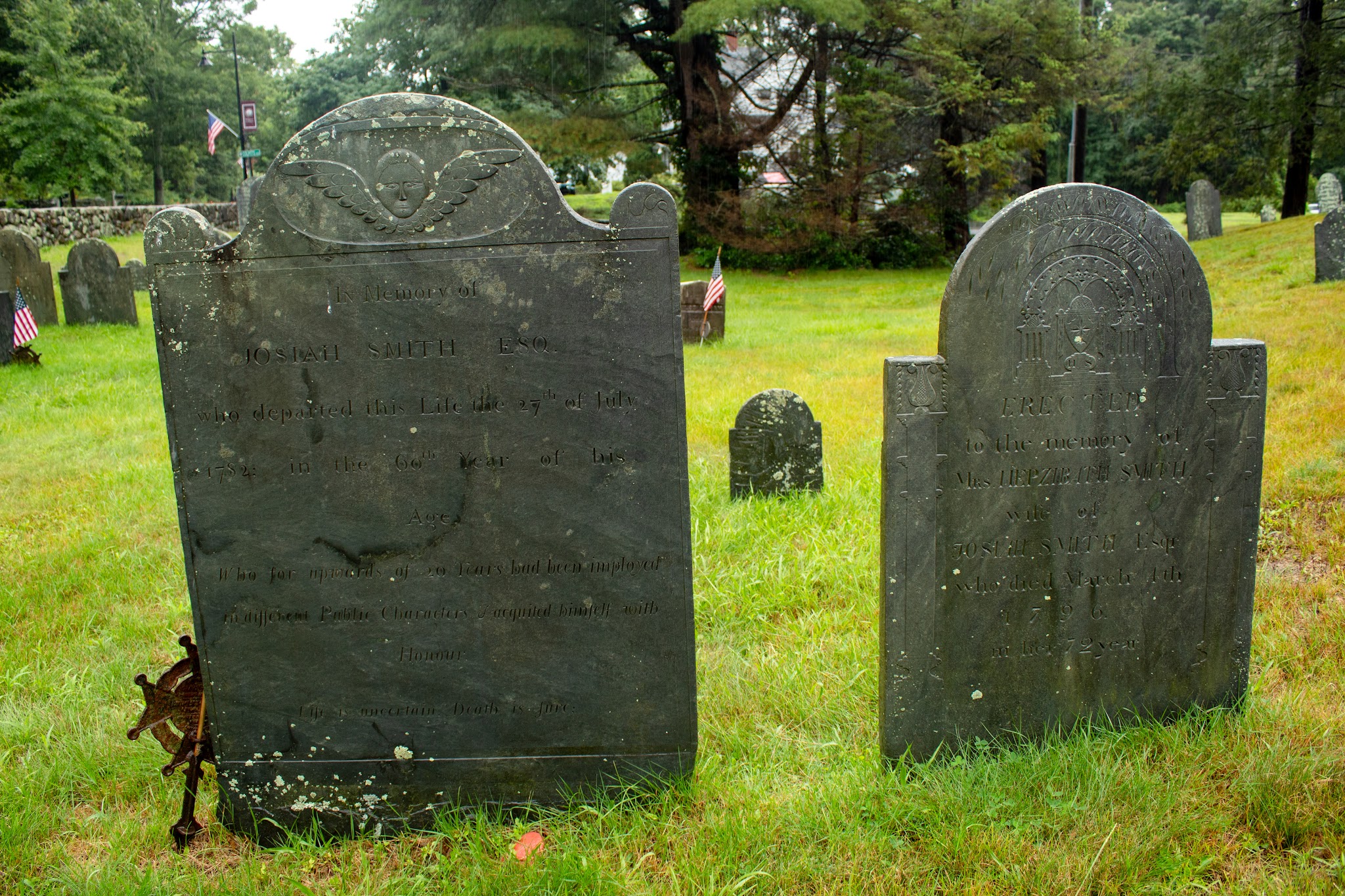
Josiah Smith lived through the war, but died on July 27, 1782, seven years before the United States Constitution was enacted. He is buried with his wife in Farmer’s Burial Ground on Boston Post Road. Joel Smith took over the tavern after his father’s death. Most of the records of the tavern come after Josiah Smith’s time. The earliest picture of the building includes the porch, which was an addition from Joel.
The tavern remained in the family until 1828, when it was purchased by Russell Wood and J. T. Macomber. It closed as a tavern a decade later. The building was used for a variety of other purposes, including a private school and a host for town meetings, before the Jones family bought the property in 1848. The tavern became the Jones House for three generations.
In 1951, the Jones family donated the tavern to Historic New England – at the time called the Society for the Preservation of New England antiquities.. It was renamed the Josiah Smith Tavern in 1972 and was sold to the town in 1983, although Historic New England maintains a deed restriction on the building.
The exterior was restored in 2007. In 2019, Weston residents approved more than $12 million for further restoration and it reopened in 2022. It is home to the Weston Community League, the Weston Forest and Trail Association and the Weston Historical Society.
There is little food and drink in the tavern at the moment, but Weston resident and restaurateur Brian Piccini is working to open a restaurant in the barn. He hopes to bring hospitality back to the tavern in spring of next year.
Author

Related Articles
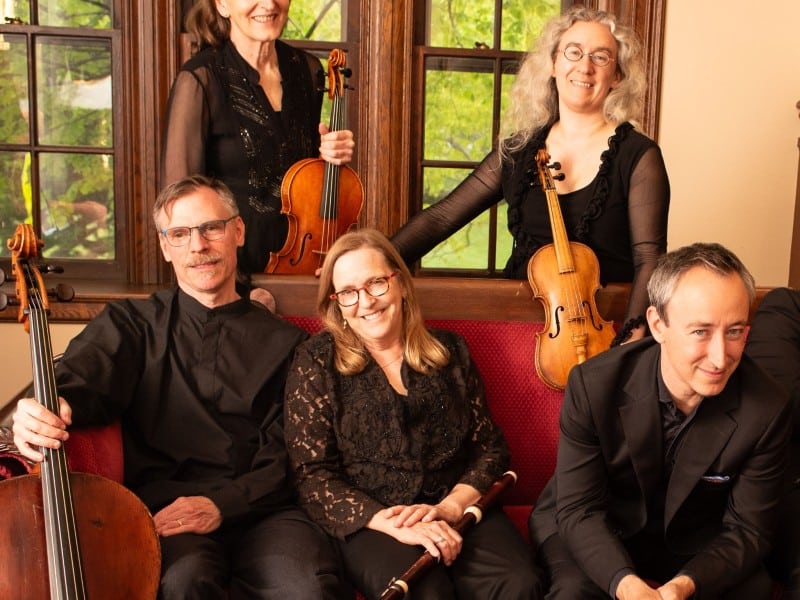
Musicians of the Old Post Road begins concert season
There’s something “magical” about performing period music on period instruments, says Suzanne Stumpf.
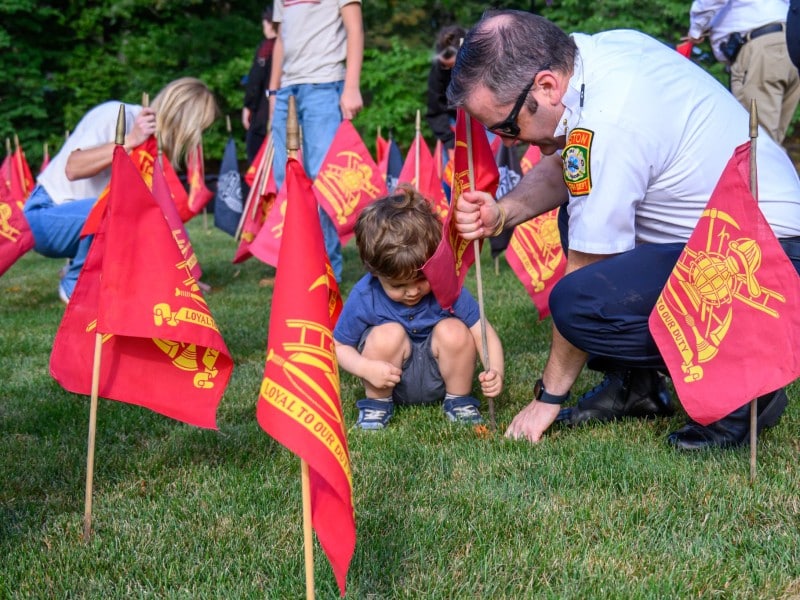
Photos: Westonians place flags for victims of terrorist attacks
In commemoration of the 25th anniversary of the 9/11 terrorist attacks, residents gathered on the Town Green, Sept. 11, 2026, to plant flags for each of the nearly 3,000 victims lost in those attacks.

Saying No to New: A guide for ditching distractions and reclaiming your life
Weston Native and New York Times editor Eric Athas has written “Say No to New: Why New Things Are Stealing Your Time, Money and Happiness and How to Take Back Your Life.”