
Recycled runway: Local designer rethinks fashion waste
A local designer is looking at sustainable fashion in an effort to reduce waste from existing clothing.
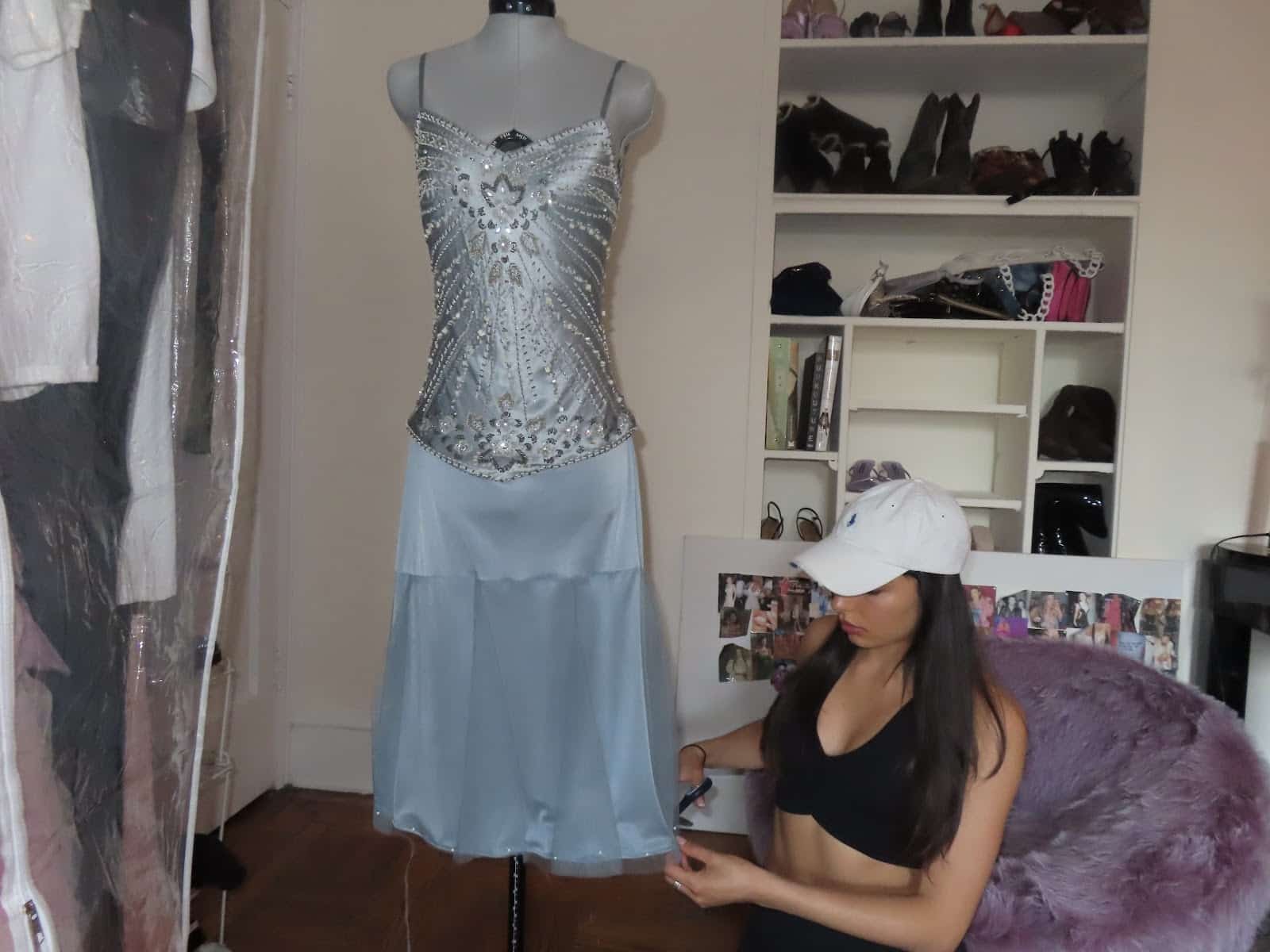
When Samantha Vocatura approaches a piece of clothing, she looks at it with the eye of an engineer and the panache of a pageant queen.
Vocatura, a Weston resident, is the founder of sammivoc, a fashion company creating new pieces out of existing clothing.
“Our world does not need any more new clothes,” she said. “We have thousands and thousands of tons of used clothing in landfills.”

Vocatura started out as a software engineer. She went to McGill University in Montreal, Canada, to study software engineering and economics. While there, she met Harley Chamandy, her partner. He and her other friends encouraged her to pursue her passion for design while she felt she still had time.
“I know that if I didn’t try to do fashion design, I would never do it, because it’s a young person’s career,” Vocatura said. “So I just said, I’m going to do this, and I’m going to try.”
She went on to the School of Fashion at the Parsons School of Design in New York. As part of Vocatura’s efforts to raise money to go to the school, she began to compete in beauty pageants. When trying to source costumes for the competition, she began to think about sustainability because she saw so many old pageant dresses that were not being reused because they were already out of style. It inspired her to regain the value lost in second-hand clothes by revamping them.
“This is a massive garment. This is going to take so much space up in these landfills,” she said of her thinking. “That was a big inspiration to me.”
Vocatura decided to leave Parsons before she finished the program because she was more interested in altering existing clothes than creating new pieces from scratch.
Vocatura had a chance to use her sustainability ethos on a larger scale when Chamandy went into production on his first feature film, “Allen Sunshine.” The film, which won the Warner Herzog Award this past December, follows a grieving music industry mogul as he strikes up a friendship with two kids vacationing on the same lake.
“Allen Sunshine” focuses on visuals, taking inspiration from artists like Alex Colville. In designing the costumes, Vocatura looked beyond the actors she was dressing.
“I would look at the colors of the background …The water is obviously blue, what’s the weather like? What’s the lighting going to be like? And really playing off of the colors of the entire scene,” she said. “You want to keep a specific feeling in every single frame of the film.”
The film has a timeless feel. Vocatura managed this by combining fashion from different decades. She made adjustments as needed, dyeing shoes and altering clothes to fit the specific look and feel of the film.
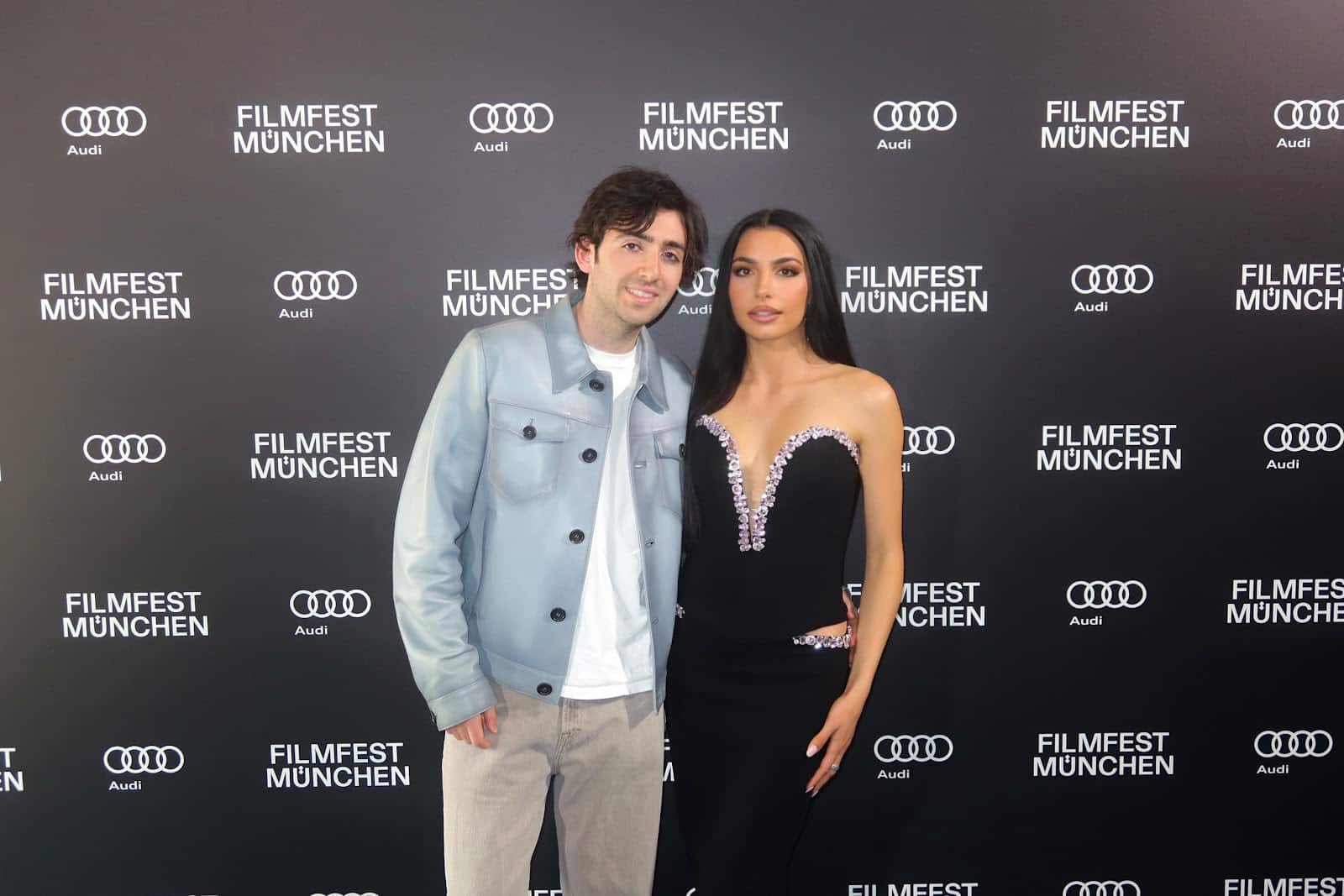
Chamandy hired Vocatura to design costumes for the film because she was able to understand what he wanted and make it a reality.
“I’m always chasing this very specific aesthetic,” Chamandy said. “That’s why I worked with Sammy, she understood the very specific imagery and aesthetic that I wanted.”
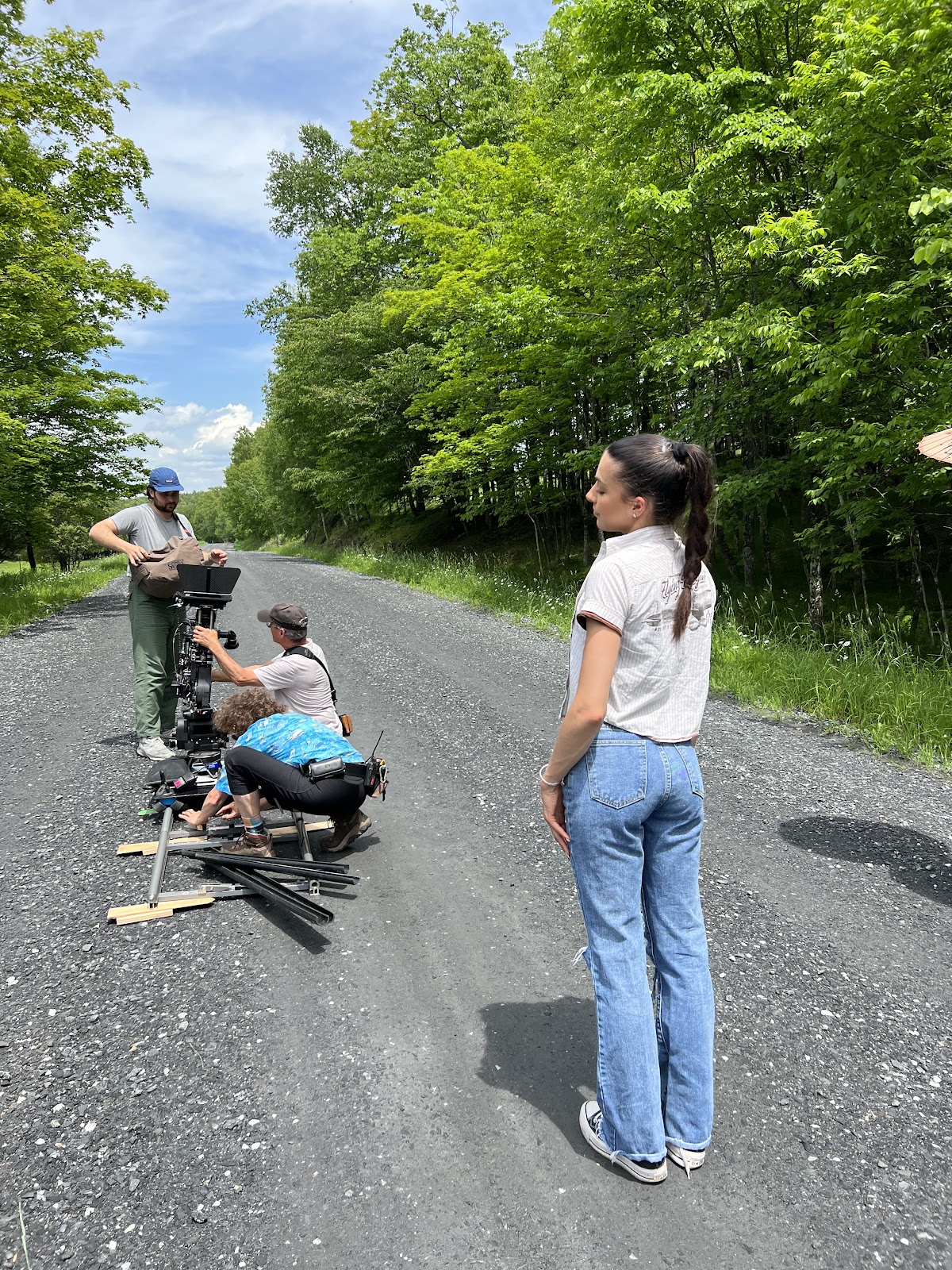
Although she had no costume design experience before the film, Vocatura said her work as a software engineer helped prepare her for collaborating with other creatives.
“Software engineering is like a way of thinking … it’s less about how to code, and more about how do I solve this problem,” she said. “It gave me a mental frame of how to solve problems. Given these constraints, how do I solve my problem of making this garment?”
Working on set gave Vocatura experience that she says expanded her creativity and problem-solving ability. It was her first time dressing men and children. In addition to learning about the wider world of fashion, she said it made her better understand how she can adapt clothing for people for whom it was not originally designed.
“Playing with that and just being more gender fluid with how you approach clothing was actually quite cool,” she said.
Now, Vocatura hopes to continue her art to help others express themselves without contributing to fast fashion.
“The goal is to take clothing that is on the way to the landfill … valueless garbage that is thrown away,” she said, “and make it the complete opposite, something really beautiful and exciting.”
Author

Related Articles
Solo ski: Weston native completes Antarctica expedition
Eliastam, who lived in Weston until she was 13, completed a 700-mile trek across Antarctica on Jan. 18.
Back to the basics: Weston eye doctors provide care in El Salvador
Two Weston ophthalmologists say their trips to El Salvador to provide care are eye-opening.

Photos: Lunar New Year celebrations underway
Lunar New Year celebrations, honoring 2026 as the Year of the Horse, are underway in Weston in advance of the Feb. 17 holiday.