
Back to the basics: Weston eye doctors provide care in El Salvador
Two Weston ophthalmologists say their trips to El Salvador to provide care are eye-opening.
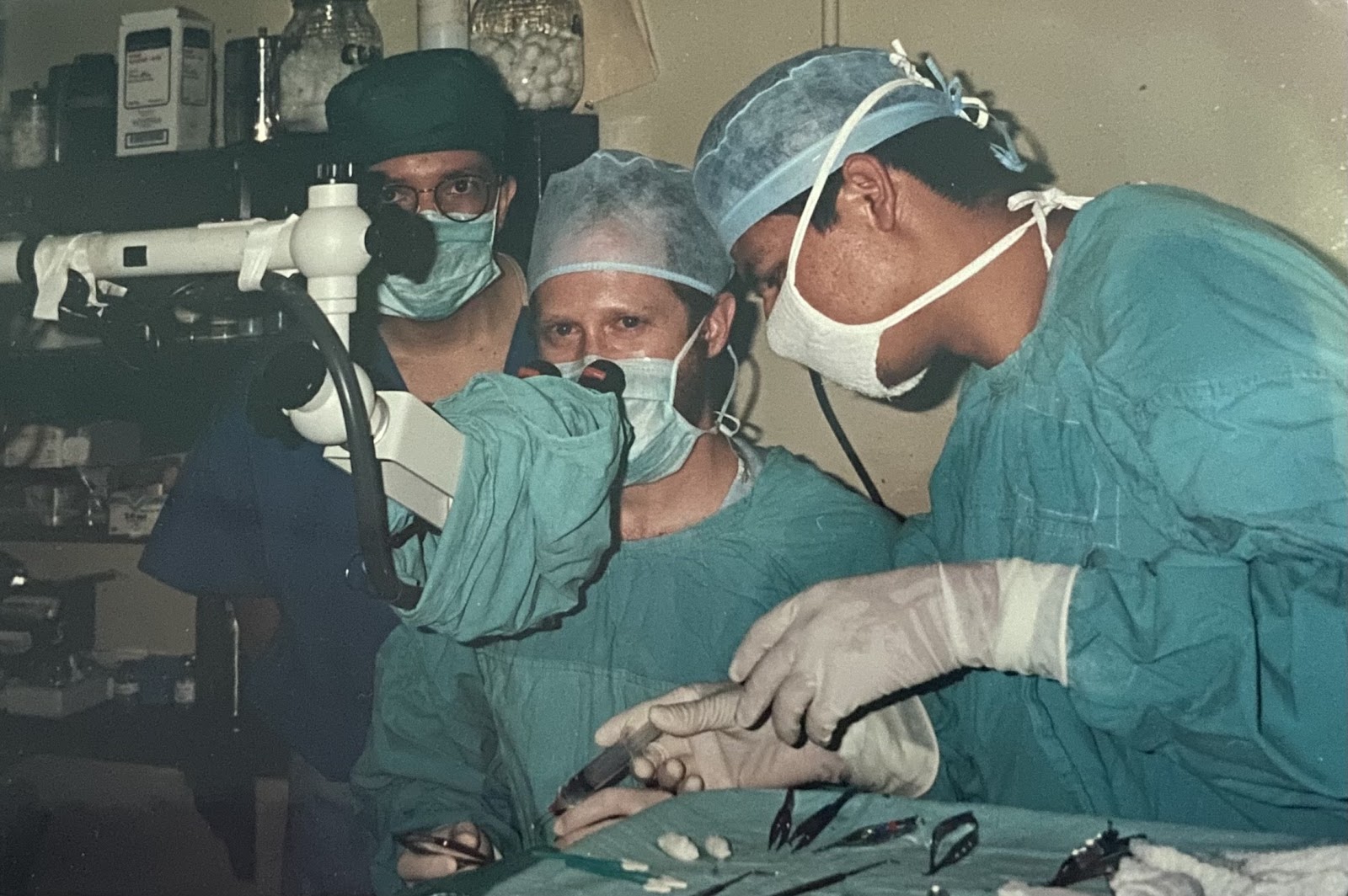
A truck driver is back on the road in El Salvador thanks to the work of two Weston ophthalmologists.
When he came into their clinic, the man could not see anything. When he returned a year later, he was driving again, making money and seeing with 20/20 vision.
The driver is one of many patients seen by Jim Umlas and Sean Thomas, two Weston ophthalmologists who go to El Salvador to provide eye care through The Salvadoran Association for Rural Health (ASAPROSAR) and Partners for Visual Health, an American nonprofit that collaborates with the organization. The two went south at the end of January.
Thomas, an ophthalmologist at Lexington Eye Associates, joined the group in 2018. He said that the work is transformative and reminds him why he got into medicine.
“When we’re young and we decide to go into medicine, we have certain ideals… I want to help people,” he said. “When we go down there, it really is like we’ve come back to them. We’re there to help people…it is completely back to being the basics of a doctor.”
Umlas, who works with Thomas, has been treating patients in El Salvador since 1995, in the aftermath of the Civil War. He is now on the board of directors for Partners for Visual Health and has seen the clinic grow over the past three decades.
“When I started going, pretty much the dust was clearing from the civil war,” he said. “We used to go all over the place and did clinics in churches and community buildings in the beginning.”
Umlas began visiting El Salvador when he was a resident at Tufts University. In the ensuing years, the program has grown to include three cities across El Salvador. On a trip, volunteer professionals help administer eye exams, distribute glasses and conduct surgeries. Around 150 operations are typically performed over the course of a week, the majority of which are cataract surgery. People come from as far as Guatemala and Honduras to receive treatment.
Vicky Guzmán de Luna, a primary care physician, founded ASAPROSAR in the 1970s to provide health care and support rural development. According to Umlas, she visited the United States in the 1980s to find ophthalmologists who were willing to provide care.
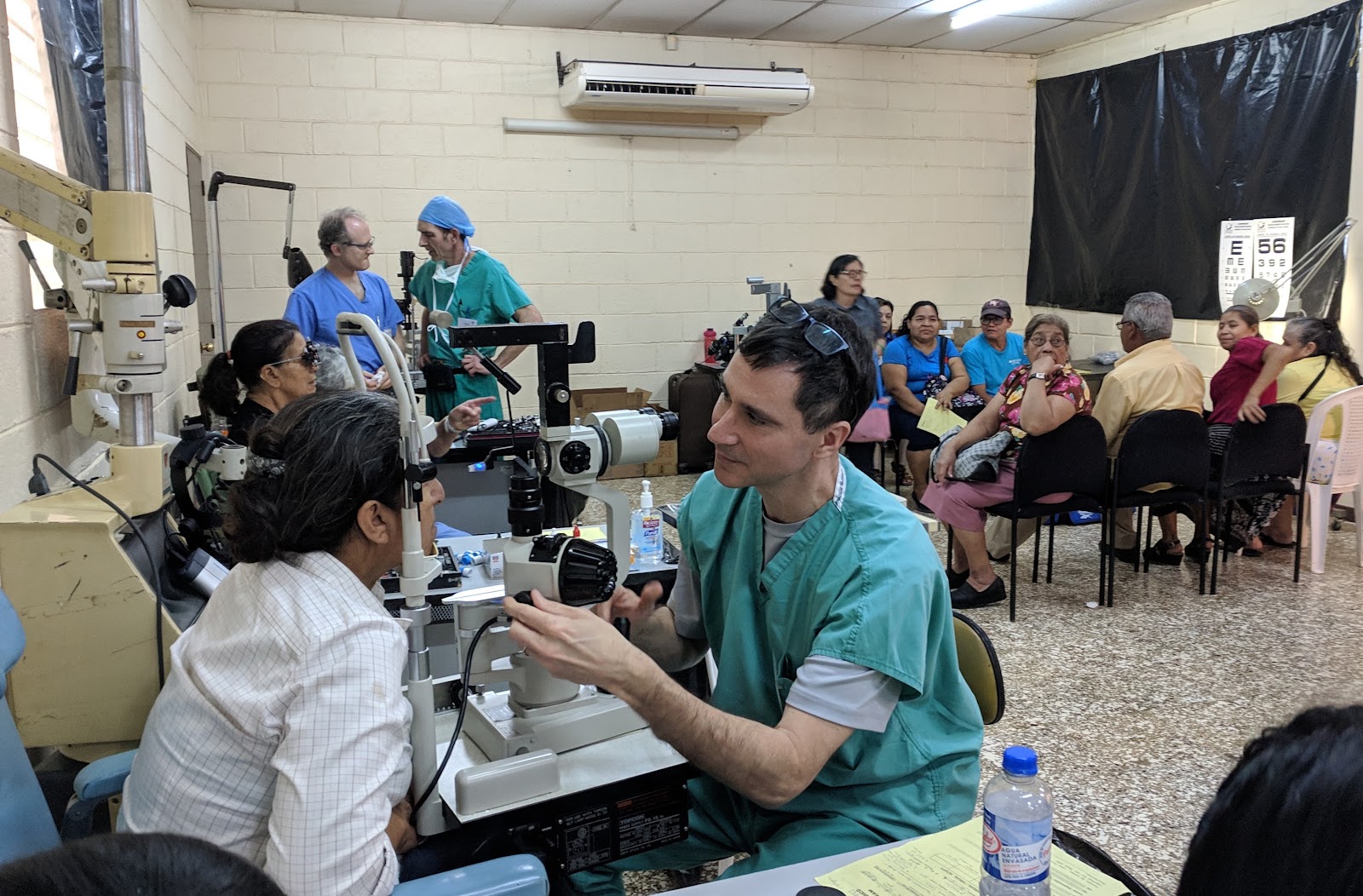
Many of the cases Umlas and Thomas see are advanced because many of their patients do not have the means to see an eye doctor regularly. Thomas recalled a teenage patient who had cataracts in both eyes.
“She couldn’t see a thing, led in by the hand,” he said. ‘She’s 14; she has the rest of her life in front of her. It’s not a lot that competes with the feeling that can give you.”
Umlas agreed that being able to see immediate results was fulfilling. During his time in El Salvador, he said he is able to focus solely on patient care instead of what to bill or how to code for insurance.
“You go in the morning and you see 200 people in an amphitheater that are waiting to be seen. It’s chaos down there,” he said. “And then you get back here and sometimes people will yell at you for being 10 minutes late… back in the States; everybody has a different expectation.”
Over the years, Umlas and Thomas have watched El Salvador change. In 2022, President Nayib Bukele began a crackdown on gang violence. Part of his response included mass arrests and quotas, according to the New York Times. Human rights organizations, including Human Rights Watch, have criticized the actions taken by the Salvadoran government, including violence against detainees.
Umlas acknowledged that the political violence has impacted many innocent people. He said that in the mass arrests, people were taken for having tattoos or being in the wrong place at the wrong time, swept into prisons he described as “a black hole.” However, he also said that more people felt safe enough to seek out medical care they had not tried to get before.
“In the last four or five years, [the gangs] have been shut down.,” Umlas said. “In the last year, we also saw some communities that were in really dangerous places … we saw a whole bunch of people that had no access to us for years and they felt safe coming out on buses and getting rides. It’s a complex situation.”
In recent years, Umlas and Thomas have felt safer and have seen patients more comfortable traveling farther distances. Both doctors have brought their children to help with the program.
“My daughter’s working in the pre-op area, getting the patients ready,” Thomas said. “It’s a great experience for everyone. Everybody takes away something wonderful from these trips.”
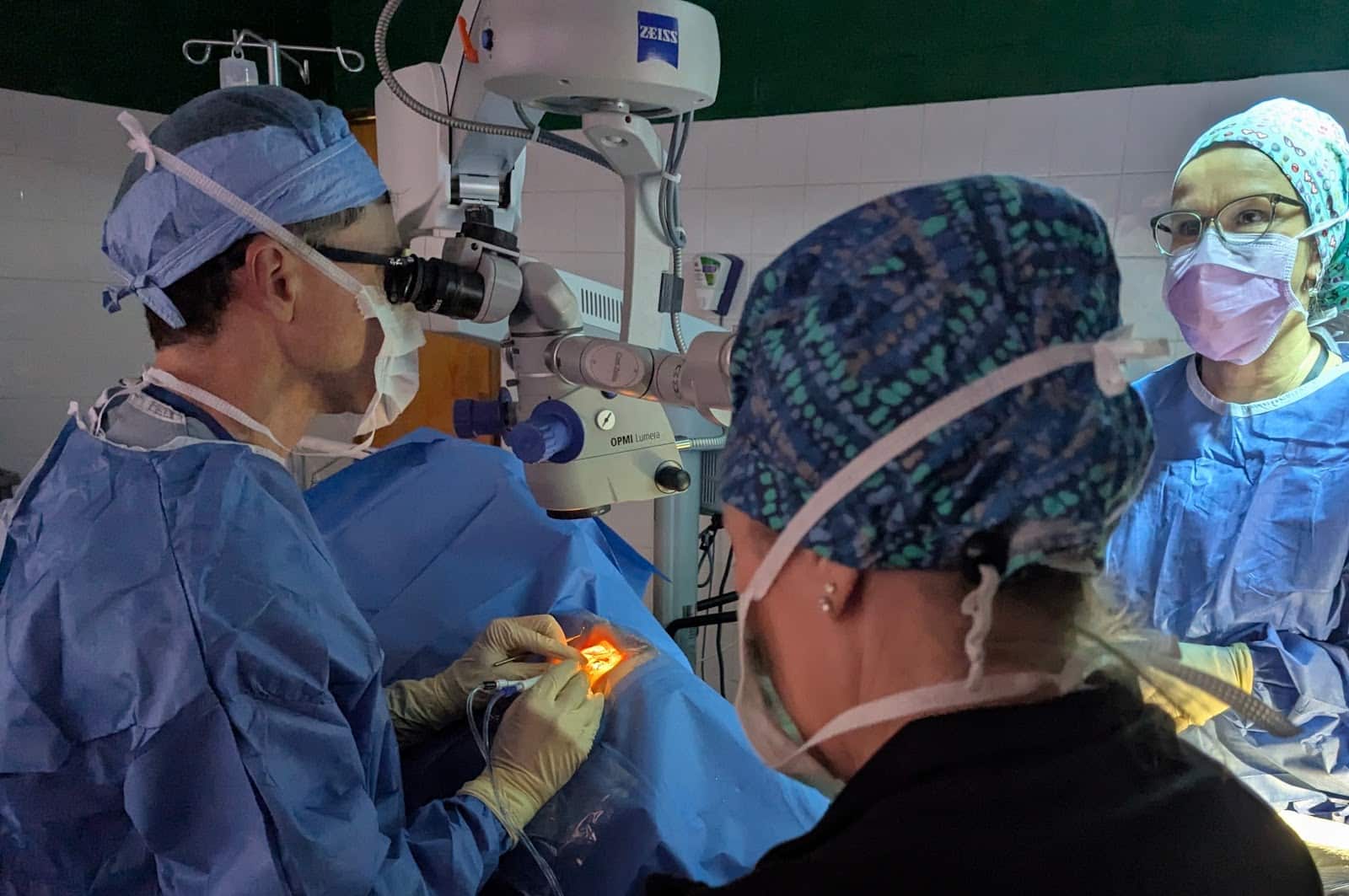
Umlas said he continues to work in El Salvador because of the people and the work reminds him how lucky he is.
“[The United States] is a country of immigrants. It bothers me that people are anti-immigrant and anti- places like Central America and Haiti. These are very good, hardworking people,” Umlas said. “Just because they were born there, they have harder lives than we do. That’s part of why I go.”
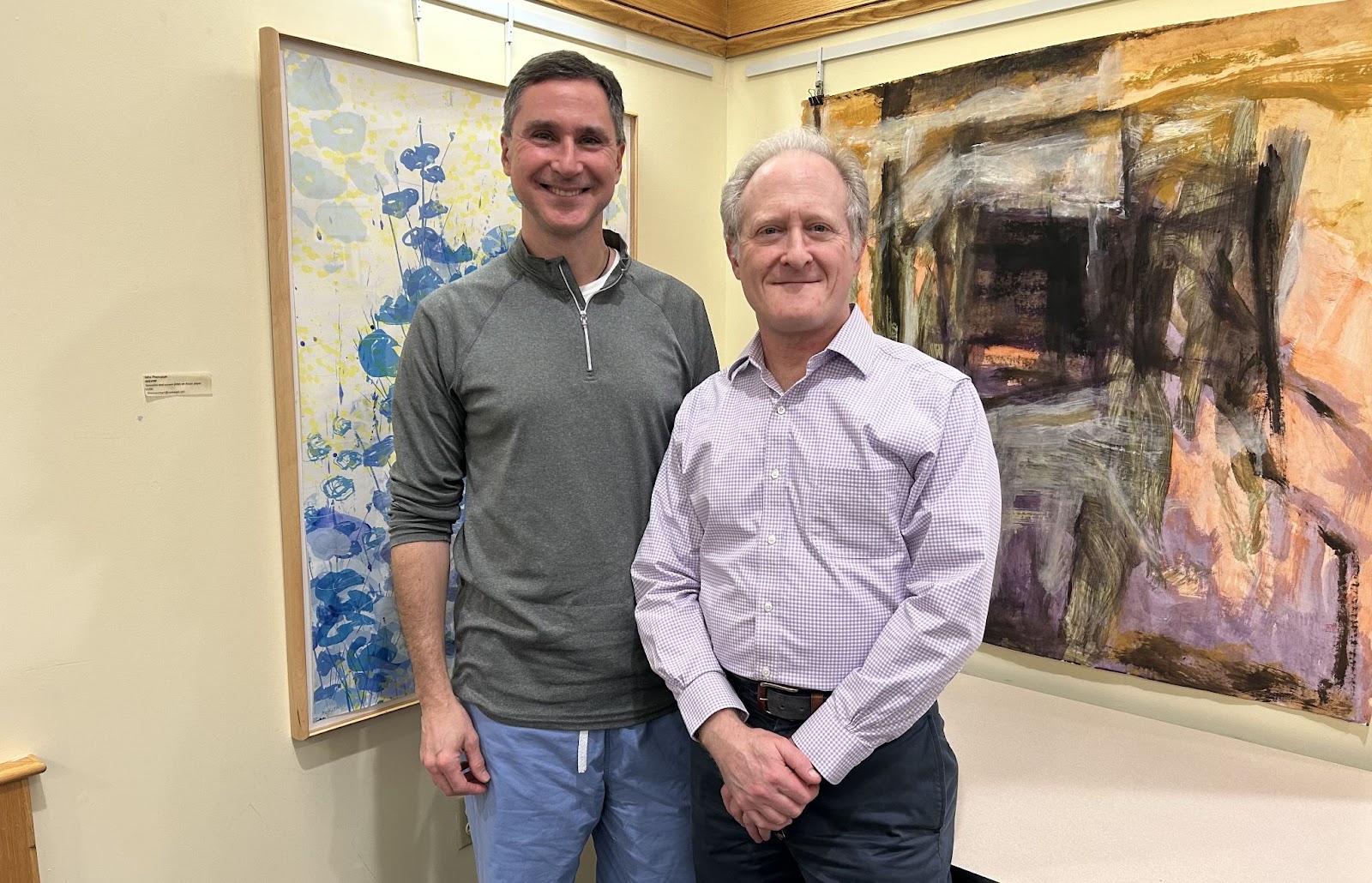
Author

Related Articles
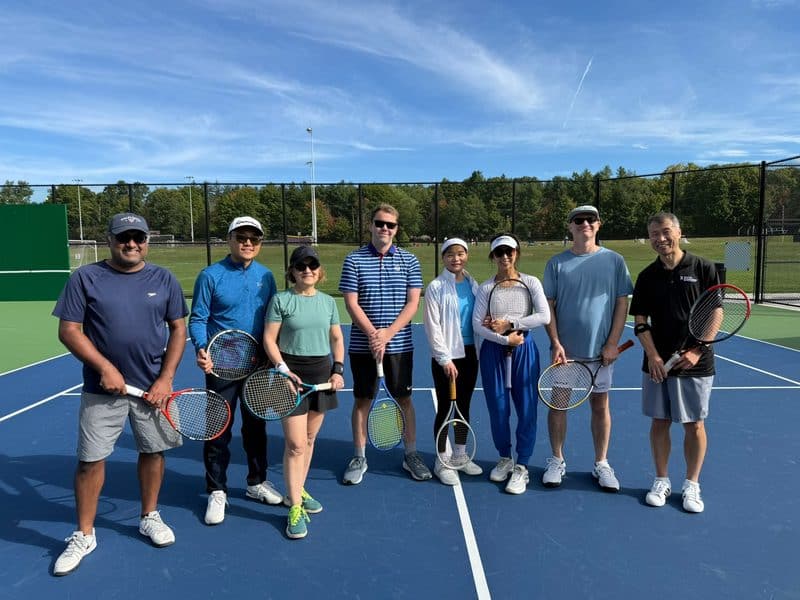
Looking to net-work? Resident hosting open tennis sessions
Whether you’re an avid tennis player or looking to get back on the court, there will be chances for you to play this fall.
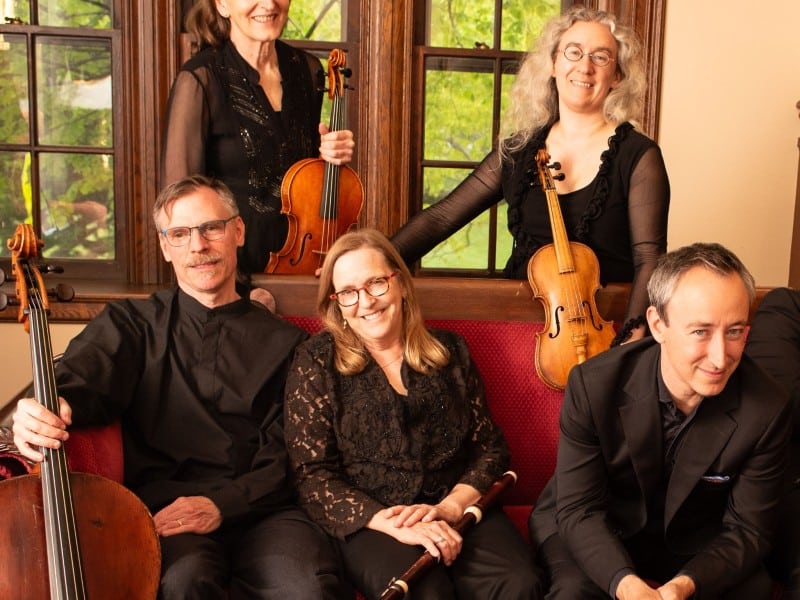
Musicians of the Old Post Road begins concert season
There’s something “magical” about performing period music on period instruments, says Suzanne Stumpf.
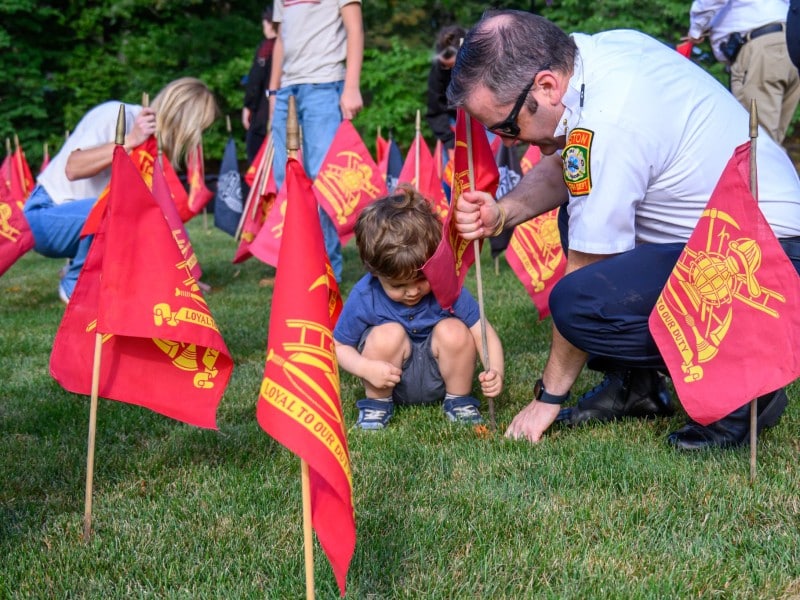
Photos: Westonians place flags for victims of terrorist attacks
In commemoration of the 25th anniversary of the 9/11 terrorist attacks, residents gathered on the Town Green, Sept. 11, 2026, to plant flags for each of the nearly 3,000 victims lost in those attacks.