‘People need help today,’: Student-built AI guides immigrants
Nayan Patel is putting his coding and AI skills together to help others.
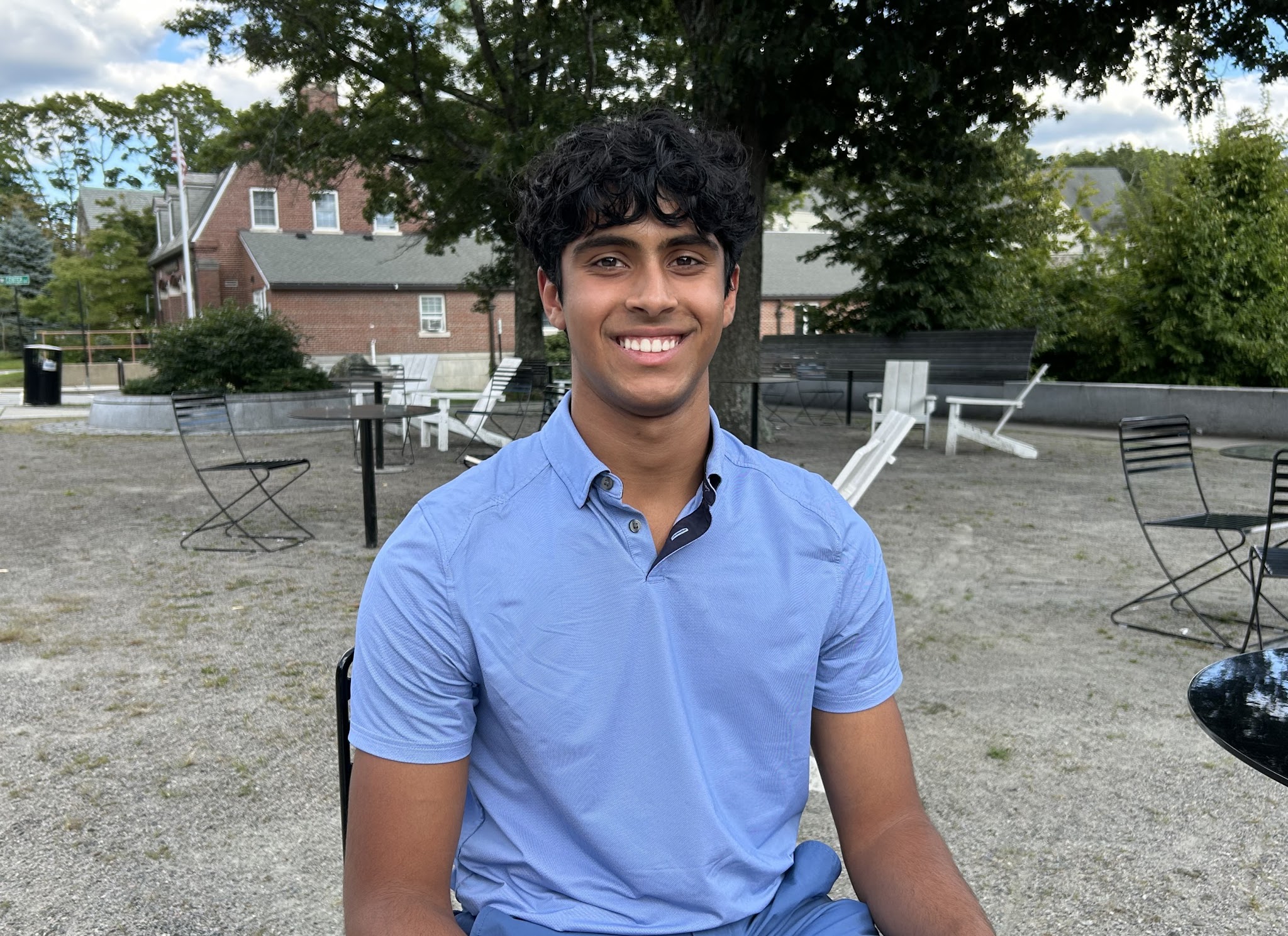
Nayan Patel knows firsthand how complicated immigrating to the United States can be. He came to the country from India as a child and has watched his family navigate the process. Now he is using his coding skills to help others.
Seventeen-year-old Patel, a junior at the Roxbury Latin School and a naturalized citizen, created Immigration GPT, an artificial intelligence chatbot based on the knowledge of immigration professionals to answer questions and guide immigrants to vetted resources on topics such as finding work, and adjusting to life in the United States.
“It feels like I can make an impact for multiple people, not just one person at a time,” Patel said. “Being in America for 10-plus years, I have some information that people who have not lived in America for 10-plus years don’t have.”
He began helping other immigrants a few years ago. His older sister, Bela Patel, volunteers with a number of immigration-centric organizations, and Nayan wanted to join her. He has helped at the Right to Immigration Institute and the Massachusetts Immigration and Refugee Advocacy Coalition.
The idea for Immigration GPT grew out of his experiences and the stories he heard while he volunteered. He wanted to share his knowledge and that of the immigration experts he worked with in one, easily accessible place.
“People have said, ‘I feel like they could ask someone at the immigration center for this, but then that takes time away from them doing my affidavit,'” Patel said. “They can also feel embarrassed to ask questions like these.”
Patel said ensuring answers were accurate was the biggest hurdle he faced. AI often “hallucinates,” providing incorrect information to users. To combat this, Patel created a fact-checked database of information about immigration law and programmed Immigration GPT to only offer information from that list. He checks and updates the list every weekend.
“When you’re working with immigrants, there’s no room for error,” he said.
This is in line with the advice Patel got from the immigration experts he consulted. Mike Oliver, director of St. Mark Community Education Program in Dorchester, said up-to-date information is vital when navigating the immigration process.
“It is important that whatever he had, it was current stuff,” he said. “There’s always new stuff coming from different places.”
Oliver met Patel when he volunteered to help tutor people for their citizenship test. Although Oliver has not tested Immigration GPT, he said Patel is dedicated to helping immigrants.
“He took it seriously, which is important,” Oliver said. “It motivated him to [make the program]. He’s a very sincere kid.”
Patel said the chatbot includes information he’s learned through his time helping immigrants that may not be easy to find from a web search. When Immigration GPT is prompted to talk about food, it suggests going to food pantries because they will offer assistance regardless of immigration status, while food stamp eligibility is limited.
To maintain immigrant privacy, Patel said most information is stored locally in the user’s browser. He is able to see certain information, including how many questions someone asks, but each user is assigned an anonymous token.
The pressure the Trump administration has put on immigrants, including controversial and sometimes fatal United States Immigration and Customs Enforcement operations across the country, has only highlighted the need for accessible and accurate information to Patel.
“It’s motivated me to hit the ground running as soon as possible because people need help today,” Patel said. “The sooner I can get it out, the more people I can help.”
Author

Related Articles
Land’s Sake Farm welcomes new executive director
The fields at Land’s Sake Farm sing to Eden Leonard. That’s how the new executive director of the non-profit described her first time on the grounds.
Keeping Weston beautiful, one cleanup at a time
What started as an individual effort from one family in 2024 to clean up conservation land near their home, has now turned into a growing effort to Keep Weston Beautiful.