
Backyard Naturalist: Jurassic Park in Weston – a visit to the Rookery
Great blue herons are back in Weston, and Michael Pappone says the birds are our version of Jurassic Park dinos.
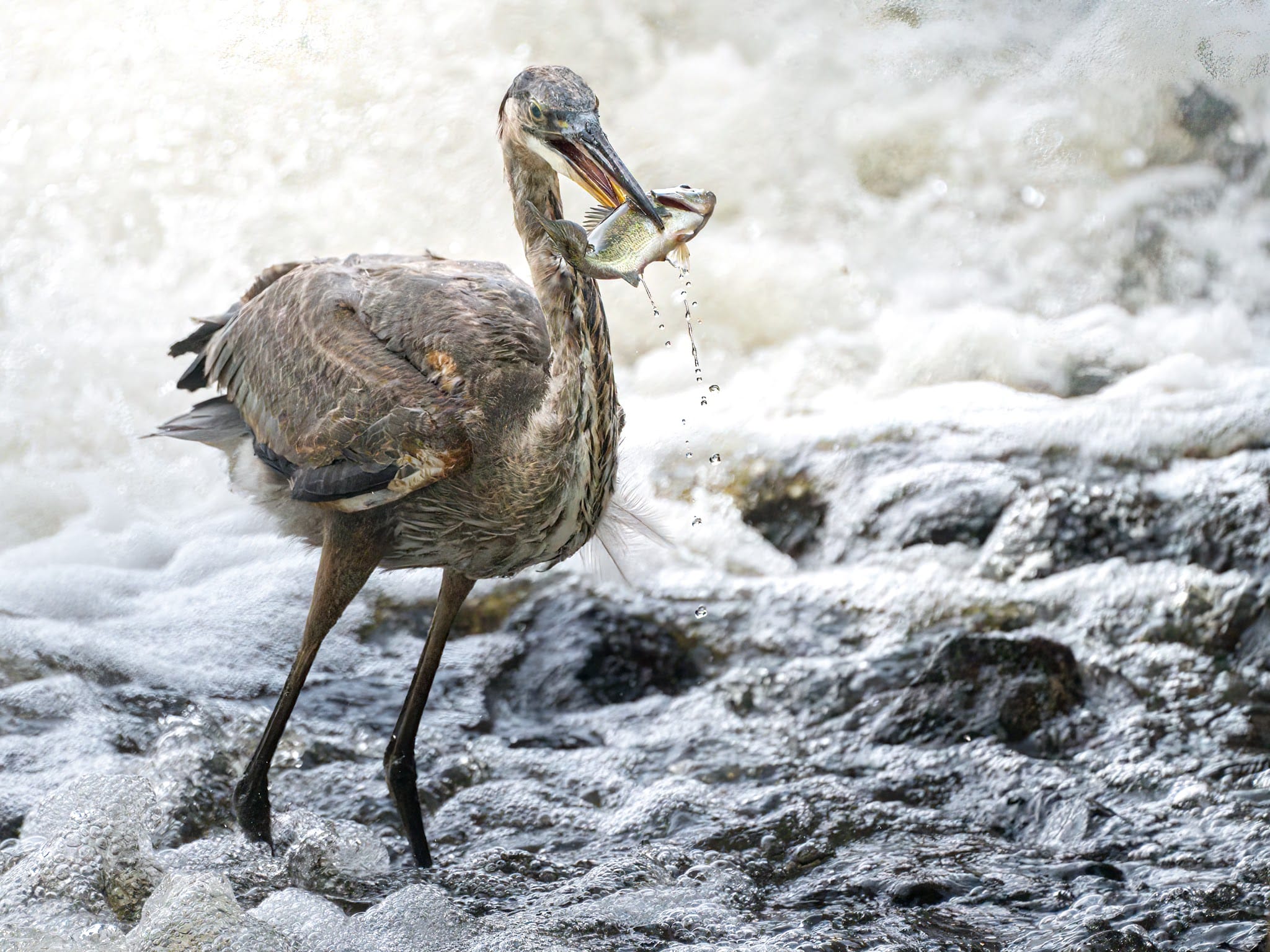
We have creatures breeding in Weston that croak a deep baritone “awwwwk” when they’re not busy honking a long “frawnnnk’” or growling a guttural “rrroh rrroh rrroh.” They can swallow a fish that is 15% of their body weight – the equivalent of a 100-pound person swallowing a 17-pound burger. Their saber-sharp beaks are known to ward off all potential enemies; nobody in its right mind messes with this apex predator. In July at sunset, if you sneak in quietly, you can count four dozen or more of these descendants of the dinosaurs carrying on family life right before your very eyes.
And, no, I’m not watching too much sci-fi on cable these days.
Our great blue herons are back on territory. They’ve returned to the rookery (or more accurately, heronry) at the Weston Station Pond for the umpteenth consecutive year. In truth, the Ardea herodias, while it can trace its ancestry to the Mesozoic/Jurassic era 200 million years ago, is a product of the middle Miocene era. That means they evolved a mere 14 million years ago – still many millennia before our primate ancestors began their ascendancy. Remember to show your elders the respect they deserve.
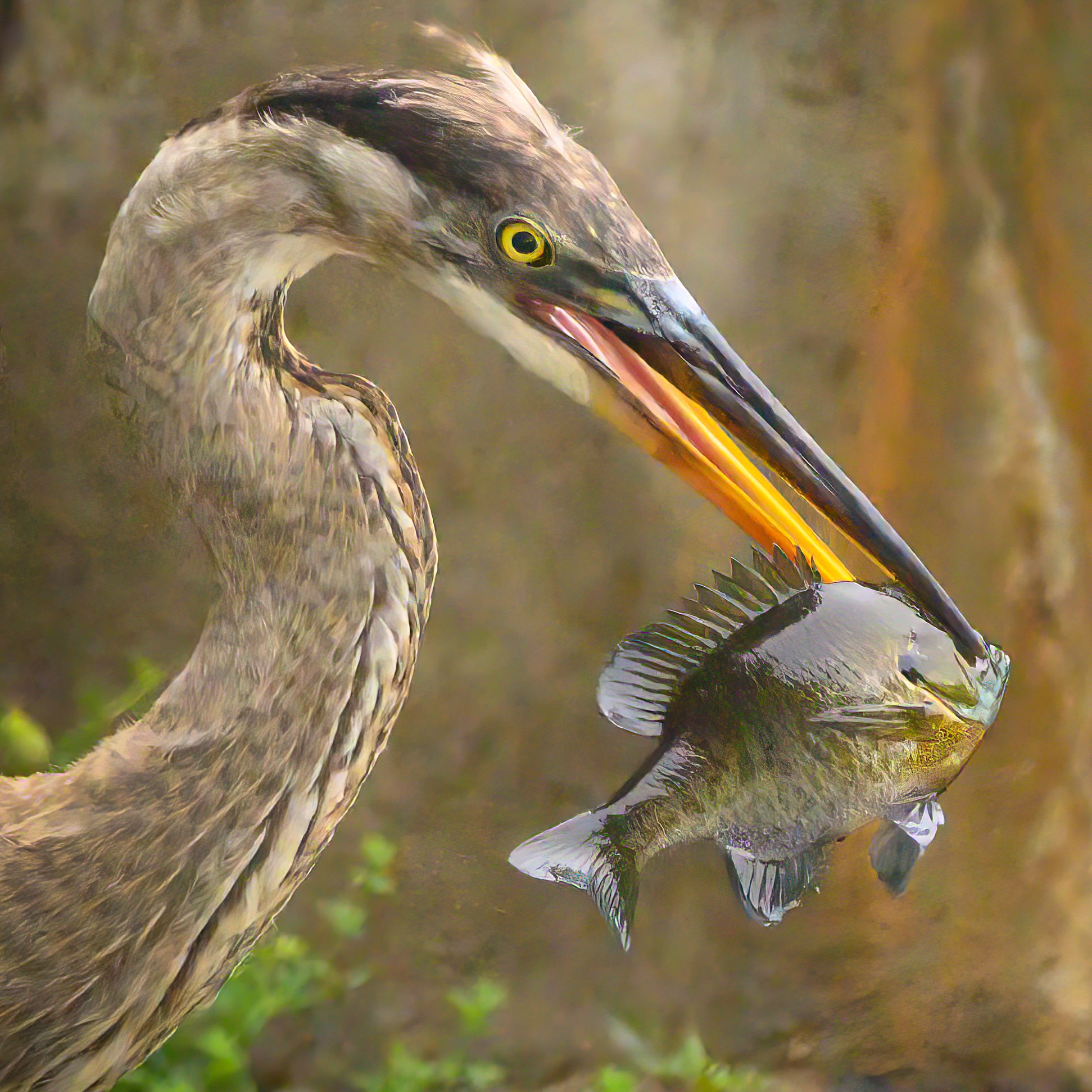
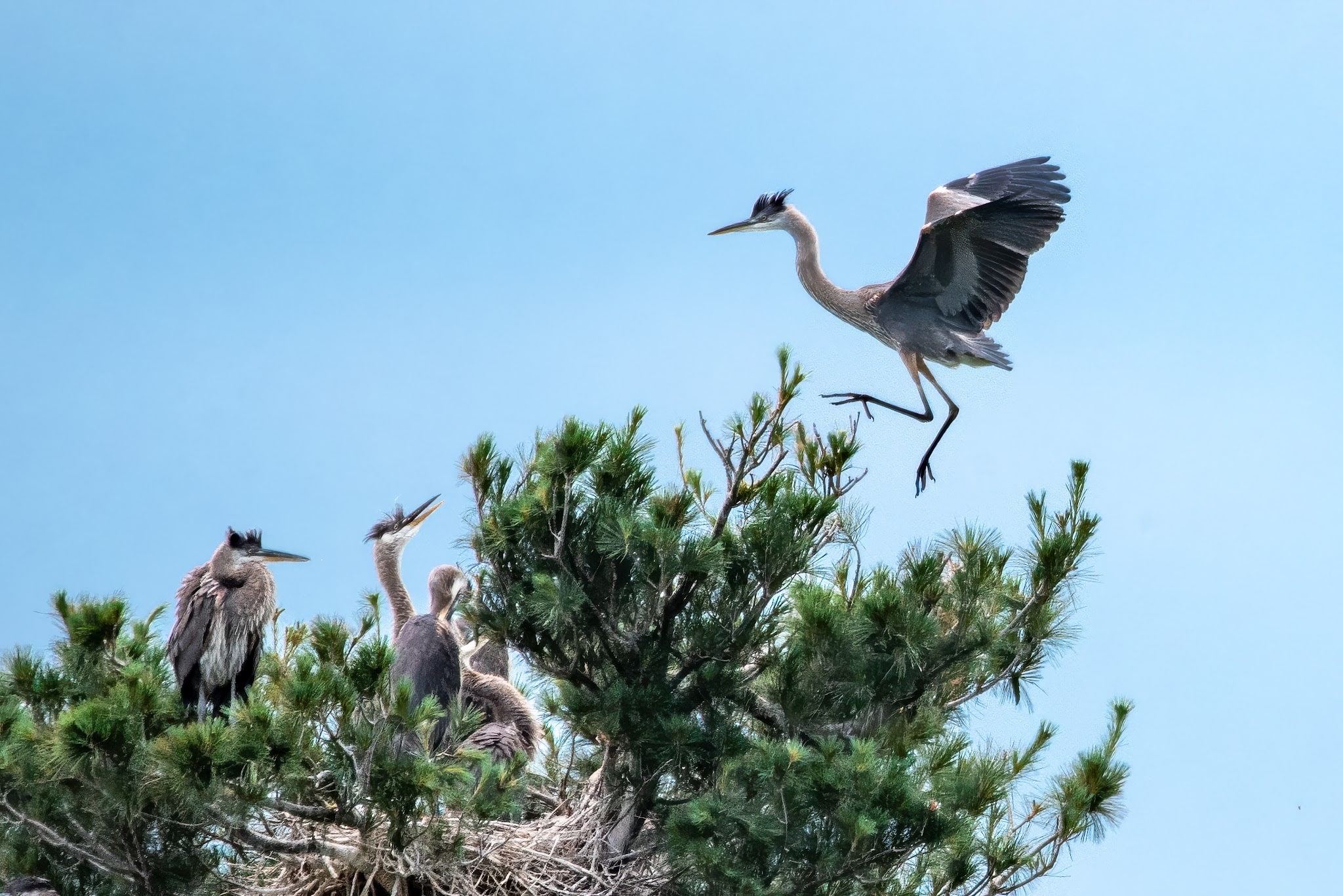
In Weston, these 4-foot tall birds carry timeless quality with them. If you’re out there with your Arcteryx logo on your jacket watching this big heron lumber across the sky, you almost feel like looking over your shoulder to see if the cameras are rolling and it’s time for you to remember your lines for your big role in the next “Jurassic Park” sequel. Our own heron families arrived on territory at least a month ago, and settled into the tops of the trees poking up from the islands in the pond. After elaborate courtship rituals, two birds form a pair bond for the season. He’ll fetch the sticks and twigs; she’ll take the hand-offs and construct the nest, lining it with a layer of twigs and then finishing it off with pine needles, moss and dry grass. The nest will often be in the same neighborhood as last year’s but will seldom involve the same tree (or the same mate, for that matter).
By now, all “our” nests have eggs, usually three per nest, and the parents will be taking turns over the course of a month helping them incubate.
The chicks endure a hatching process that consumes 48 hours of effort before they break free of their eggshells. They are now little one-and-a-half-ounce balls of fluff that demand regurgitated food from their parents 10 times a day. Feedings decrease in frequency on their way to fledgling status two months later.
All in all, this species has it pretty good these days: it’s been a century since they and their egret cousins were hunted for their plumes to satisfy the fashion-conscious crowd who prized them as decorations for their hats. Beavers have flooded acres of habitat for them to fish in. They typically don’t need to migrate all that far to find a source of open water. And they have few natural predators, what with their 6-pound size and rapier-sharp beaks that move at lightning speed.
Come get an up-close and personal look through my telescope on one of my Monday morning bird walks in May (or those of other field trip leaders) sponsored by the Brookline Bird Club, leaving from the Melone Farmstead at 27 Crescent St., at 9:30 a.m. brooklinebirdclub.org.
Author