
It’s home tweet home for Weston’s kestrels
Kestrels have a new place to nest in Weston.
There’s a new home in town for North America’s smallest falcon.
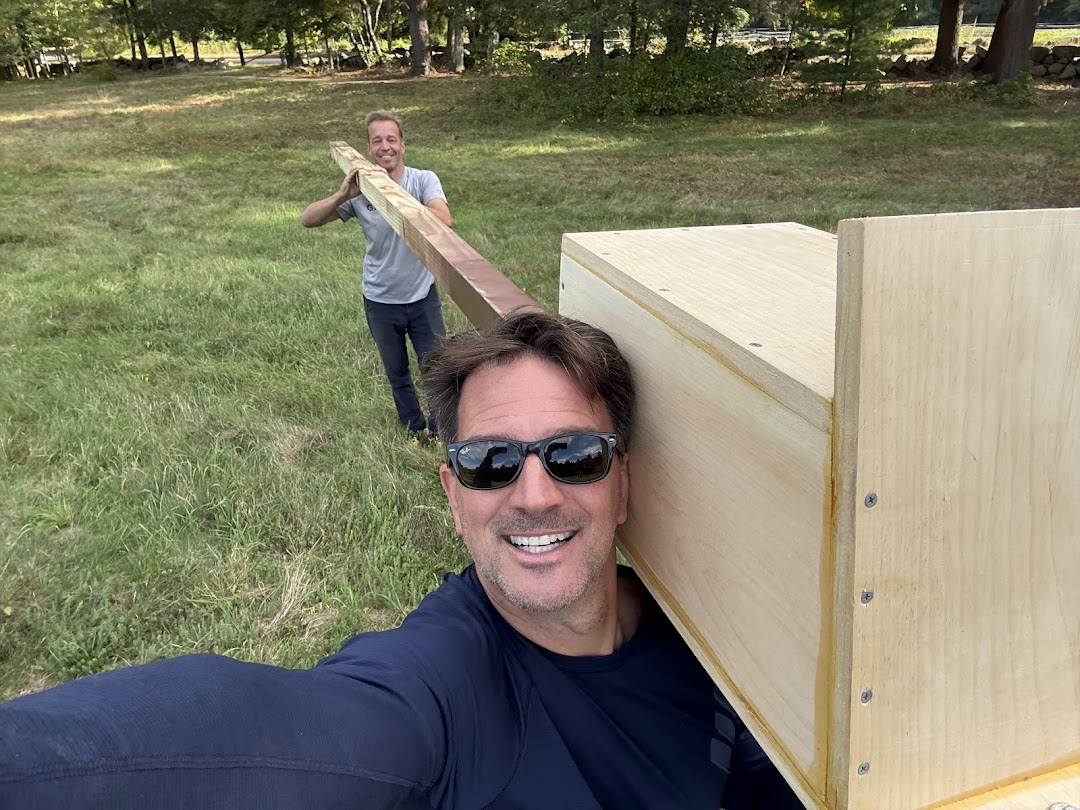
Chris Jylkka and Albert Hanser of Weston recently erected a box near College Pond for kestrels to nest when they return from their winter migration next spring. Jylkka, vice president of trail management for the Weston Forest and Trail Association, said that he hopes it will provide the birds a safe place to nest and raise their young.
“If I’m responsible for one new kestrel family, then I’ll feel good,” he said. “Maybe we’ll be successful and someone will do another program in another town.”
Putting the box up now will give it time to weather and feel more natural, making it a more attractive sport for kestrels, Jylkka said.
Jylkka said he has found kestrels fascinating ever since he watched one at Drumlin Farm half a decade ago.
“They had one kestrel box and I saw this little bird going in and out … It was super brightly colored like it was from outer space,” he said. “I watched it hunt for a while, grasshoppers and dragonflies, catching them out of the air. They fascinated me.”
He was inspired to put the project together after reading about efforts in Grafton to help the kestrel population, which has been declining almost 1.5% a year according to the North American Breeding Bird Survey. The survey is coordinated by the U.S. Geological Survey Eastern Ecological Science Center, the Mexican National Commission for the Knowledge and Use of Biodiversity and Environment and Climate Change Canada.
He inherited an interest in conservation from his father, who Jylkka calls an amateur naturalist – he looked after geese and horses and tapped maple syrup.
“He would tell me stories of the passenger pigeon,” Jylkka said. “He sort of passed that on to me, and I got interested in what happens when a species disappears.”
Jylkka’s friend Albert Hanser, owner of Kestrel Merchant Partners, funded the project. The two built the kestrel box in Jylkka’s garage and set it up near College Pond with permission from the town’s Conservation Commission.
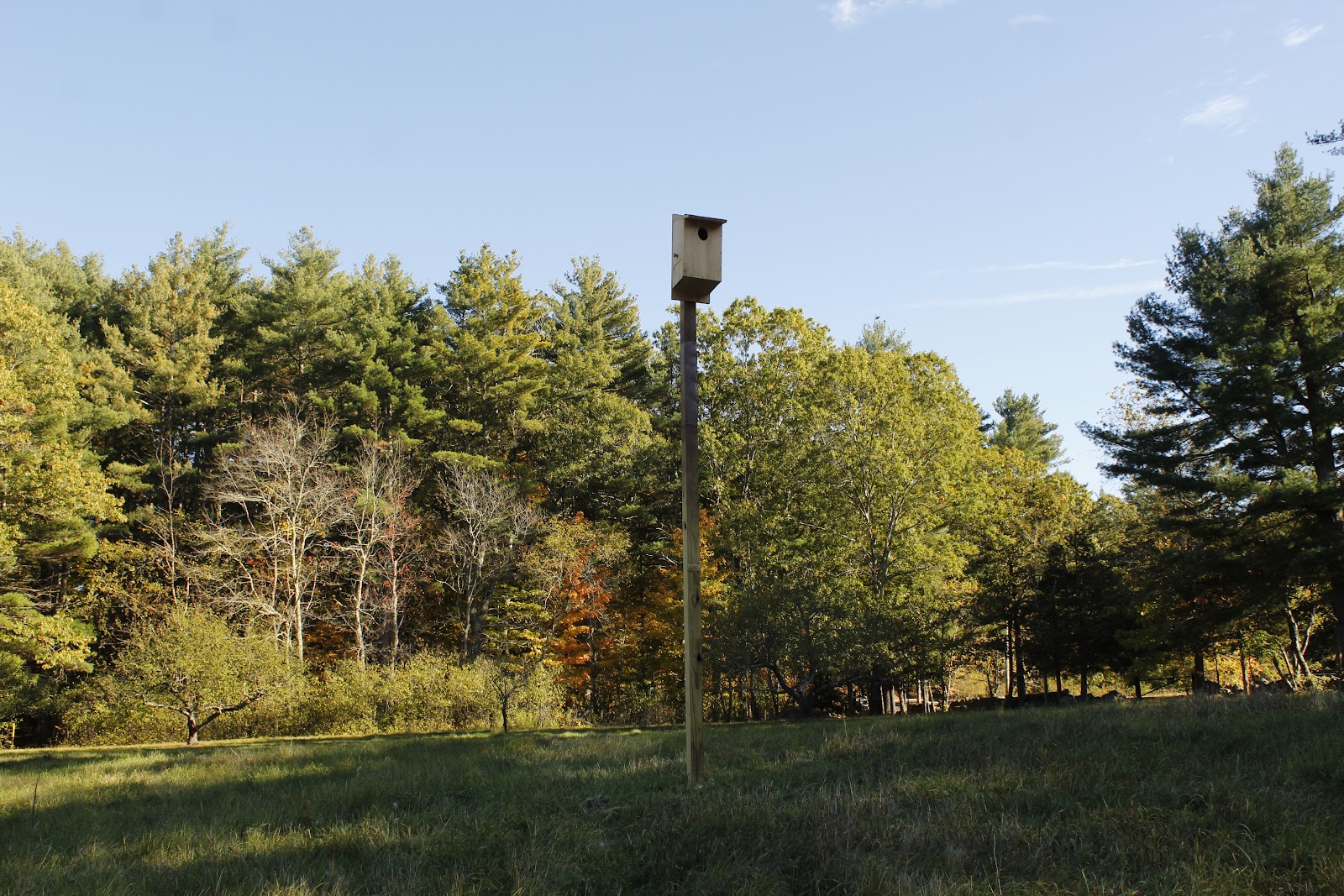
The 55-pound box sits almost 60 feet in the air. The location works well because the open space allows kestrels to hunt on the wing, catching prey in mid-flight.
“They eat a lot of insects, so they like to be near things that are wet,” Jylkka said.
Kestrels are not the only creatures with housing in Weston. There are several boxes around town for bluebirds and bats, according to Weston Conservation Administrator Jordan McCarron.
Thomas Kickham, a Weston High School senior, put up bat boxes as his Eagle Scout project this summer. He said he hasn’t seen bats move in yet, but he hopes that some will roost within the next year.
“I think bats are an undervalued part of the ecosystem because they do a lot of maintenance,” Kickham said. “They are great pollinators and take out mosquitoes.”
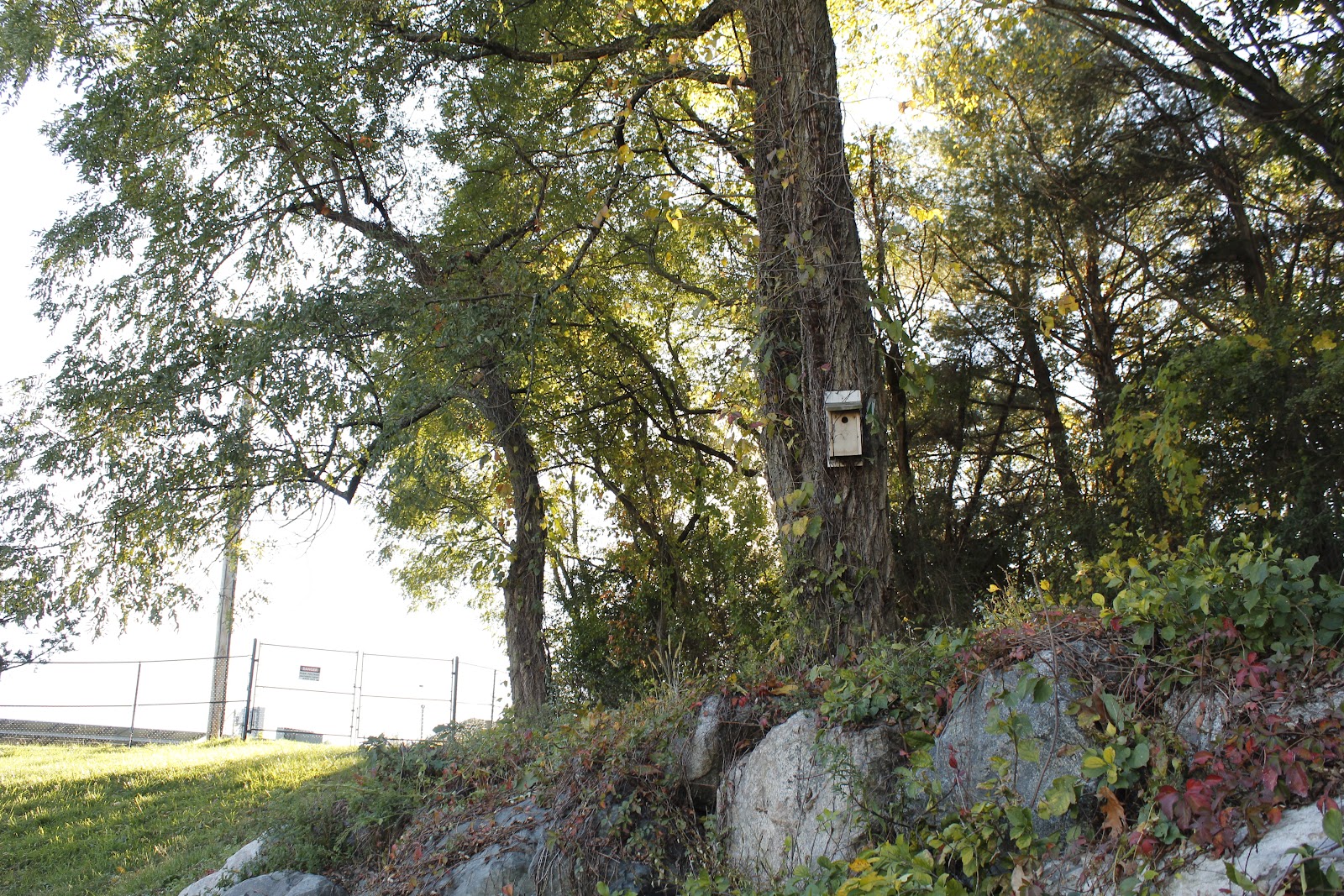
The bluebird boxes have been in Weston for a decade. Like the kestrel box, they provide a place for the birds to nest when competing for space limited by invasive species and climate change. According to Mass Audubon, the eastern bluebird population fell during the 20th century. Through efforts like bluebird houses, which provide safe nesting areas for the species, the population has largely recovered.
“For us, it is to assist in a small way and to sustain the population of wildlife species,” said McCarron. “For a variety of reasons, development and climate change and others, the bluebird population was declining. Not just in Weston, but regionally, there was a push to build bluebird boxes.”
Emily Hutcheson has been volunteering for the bluebird program since it began in 2015. She checks the box near the Melone Homestead to make sure it’s clean and that bluebirds are the only ones nesting there.
“We can do something,” Hutcheson said. “That’s one of the reasons I love doing it … and it’s helping the habitat.”
Editor’s note: A member of the Board of Directors of the Weston Observer holds the positions of Past President and Trustee of the Weston Forest and Trail Association.
Author

Related Articles

DCR Universal Access program brings skiing for all
The DCR’s Universal Access Program has a 30-year record of providing recreation opportunities for folks of all abilities.
Weston’s Joe Ferguson sees ‘music’ in glasswork
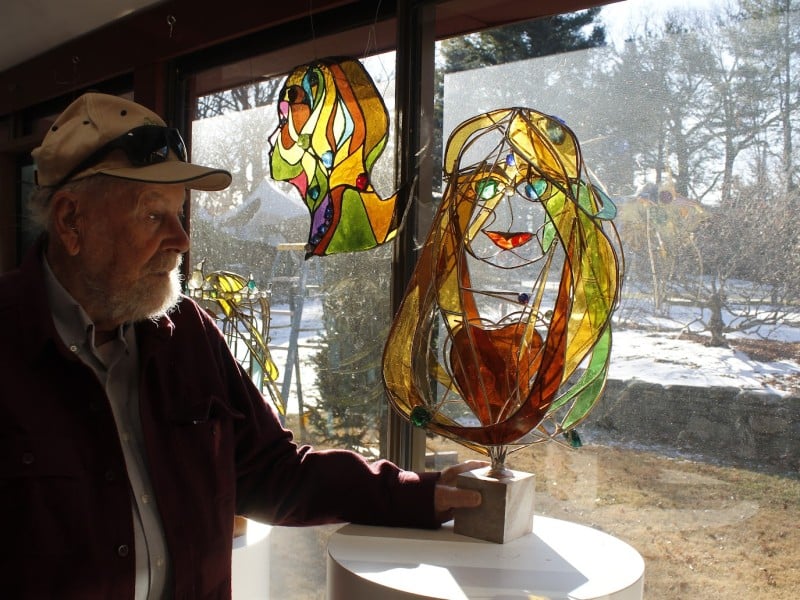
You have likely seen Joe Feguson’s work outside the Library and AIC, but what drives the man behind them?
Shifting Landscape: Agroforestry experiment takes root
Weston’s Sears Land, previously home to farmland and mill workers, is undergoing a transition.