
History Corner: In the beginning: Three important dates in Weston history
Pam Fox explores three important dates in Weston’s history.

Before I begin my first Weston Historical Society column, I would like to “observe” what a miracle it is that we now have a real community newspaper. In my 34 years in Weston, I have never felt so well-informed. My grateful thanks to all who worked so hard to make this happen.
One goal of the Weston Historical Society is to enrich everyday life by looking at how Weston evolved and discovering clues to this evolution that are right in front of us but often unrecognized. Whether you’ve lived in Weston all your life or just moved in, learning about the town’s history can open your eyes and foster a sense of community.
In this first column I decided to start at the beginning.
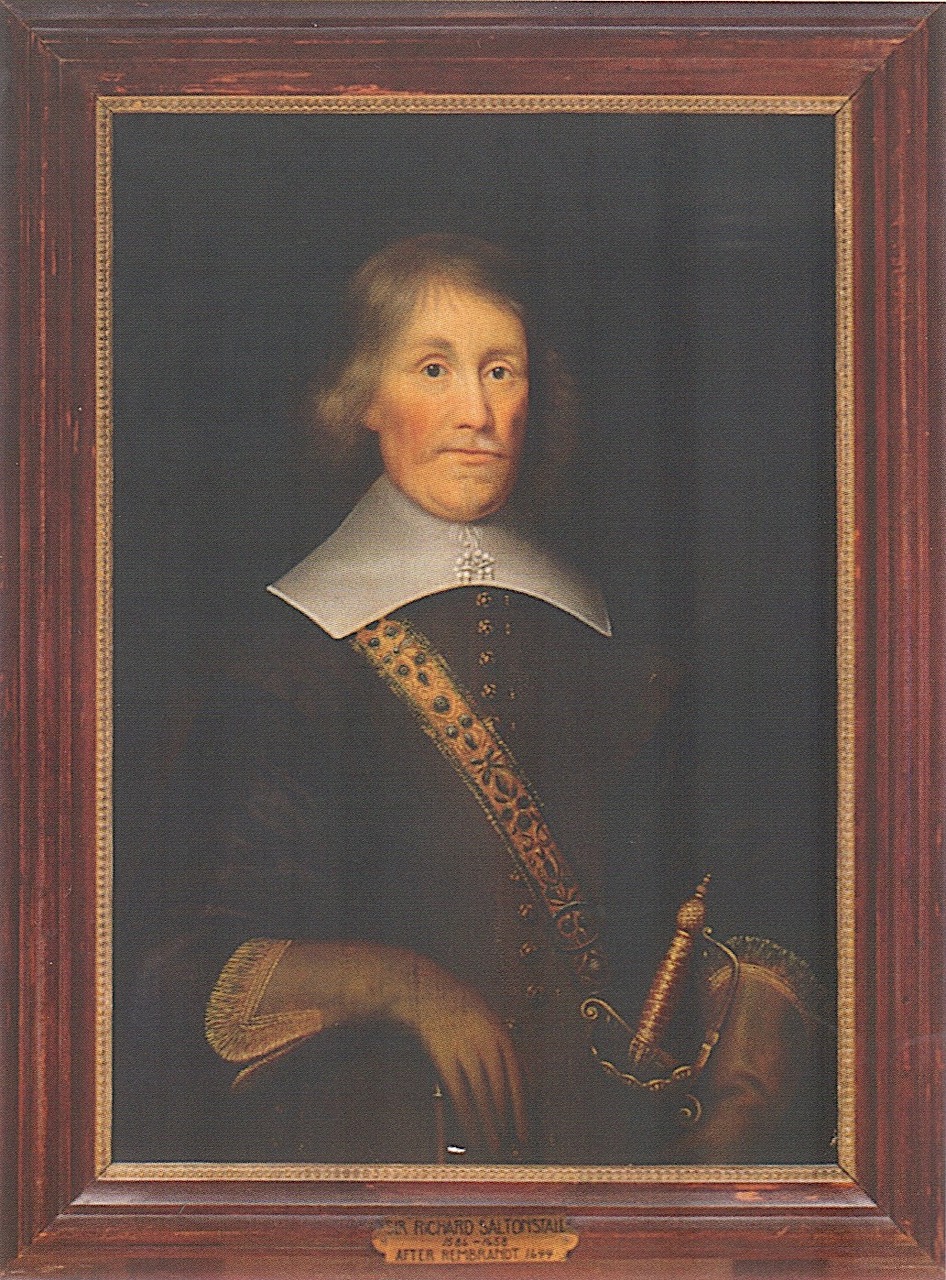
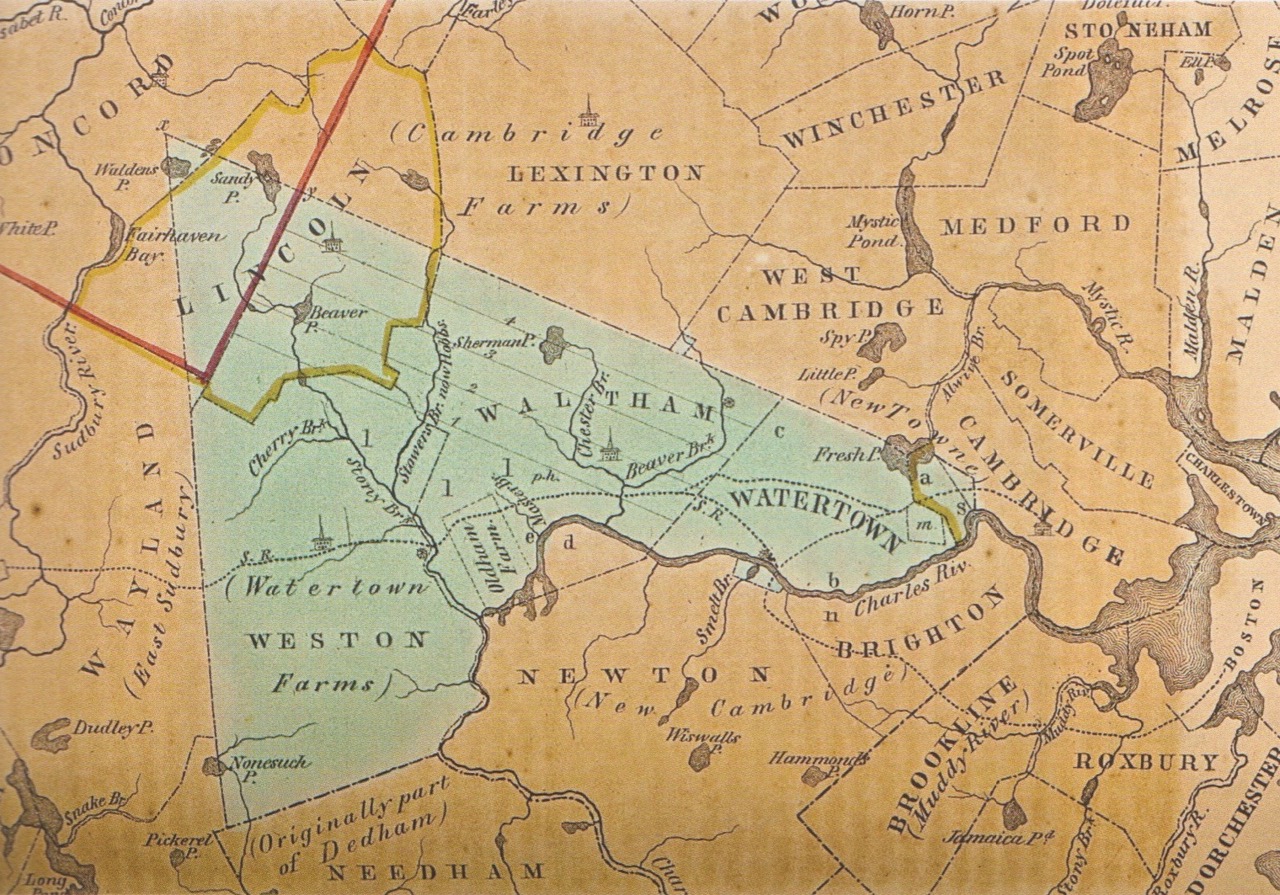
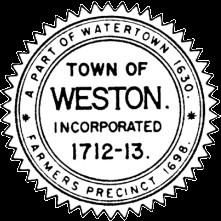
When estate owner and Selectman Francis Blake designed the Town Seal in the 1890s, he wanted residents to know the three most important dates in Weston’s early history. The first date, 1630, is the year English nobleman Sir Richard Saltonstall, along with Rev. George Phillips and others, rowed up the Charles River to pick a location for the settlement that would be called Watertown. Saltonstall’s 558-acre grant included the present towns of Watertown, Waltham and Weston, along with parts of Belmont, Cambridge and Lincoln. After less than a year, he returned to England, reportedly because he hated the harsh winter. A Founders’ Monument and statue of Sir Richard is located along the Charles River in Watertown.
The second date, 1698, is the year the Massachusetts General Court granted the petition of Weston farmers to establish a separate Farmers’ Precinct with its own crude, unheated meetinghouse. Before that, farmers who had moved out to Watertown Farms had to travel nearly seven miles to church every Sunday. Estimated travel speed was 4 miles per hour, ingood weather, for a husband and wife sharing a horse. The history of the present fieldstone First Parish Church began with that crude, unheated meetinghouse. First Parish celebrated its 300th anniversary in 1998, 15 years before the town.
The third date, 1713, is the year of the Weston’s incorporation. On the seal, it is written 1712-13. This is because Jan. 1, 1712, the Old Style date on the Julian calendar, is the equivalent of Jan. 12, 1713 in the Gregorian calendar used in Massachusetts beginning in 1752. Blake discovered this discrepancy after making up the die to print the seal. After consulting a recognized authority, he decided that 1712-13 covered all bases. (This is a short explanation for a complicated calendar change that still torments genealogists.)
In summary, here’s what you need to know:
- Weston was originally part of Watertown.
- Weston was located at the west end of Watertown sometimes referred to as the Westernmost Precinct. Rather than being named after a person or an English place, Weston takes its name from its geographical location.
- The impetus for forming a separate precinct was so that the farmers didn’t have to trek
to downtown Watertown every Sunday. - First Parish Church pre-dates the town’s incorporation. In the early years: “All things
pertaining to the church were voted at Town Meeting. . . as solid a union of Church and State, while it lasted, as ever existed in the old country.” (Daniel Lamson, History of the Town of Weston)
Author

Related Articles

History Corner: Light in the Colonial dark: The Magic lantern and Declaration Day
When visitors arrive at the JST for Declaration Day festivities on Sunday, Sept. 13, they will experience a form of entertainment that predates film, photography, and the Tavern itself: the magic lantern show.