
History Corner: ‘A cradle on wheels’: Stagecoach travel in the late 18th and early 19th century
Pam Fox dives into the history of stagecoach travel, which created plenty of traffic in Weston.
Three post roads were used by post riders to carry the mail from Boston to New York. The upper road, which passed through Weston, was the most popular because the taverns along the way were considered superior to inns on the middle and lower post roads.
Regular stagecoaches began operating between New York and Boston in the early 1770s. Service ceased during the war years and resumed in October 1783, when Levi Pease, the father of New England stagecoaching, began offering regular passenger service from Boston to Hartford and soon thereafter to New York City, traveling the upper post road.
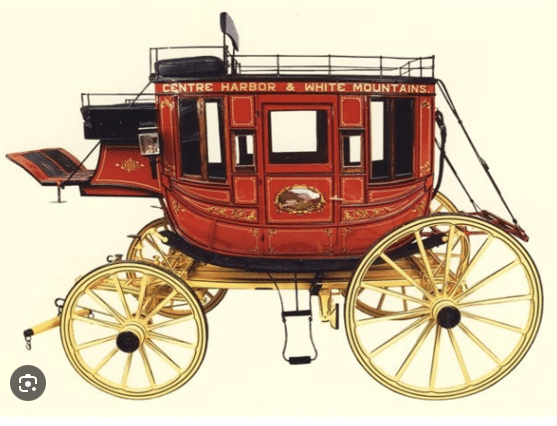
Depending on the time period and road conditions, stagecoaches came in a variety of sizes and types, ranging from passenger wagons and the melon-shaped overland coaches of the early 19th century to the Concord coach after 1827. The first stage coaches had iron or steel springs that jolted up and down on the rutted roads. To improve comfort, J. Stephen Abbot and Lewis Downing built their Concord coach in 1827 in Concord, New Hampshire. Shock-absorbing leather straps running front to back under the body gave it a swinging motion, sparing passengers and horses alike. Mark Twain described the Concord coach as a cradle on wheels.
Abbott and Downing coaches came in three sizes, holding six, nine or 12 passengers, and were pulled by teams of four to six horses. More passengers could be seated outside on the roof.
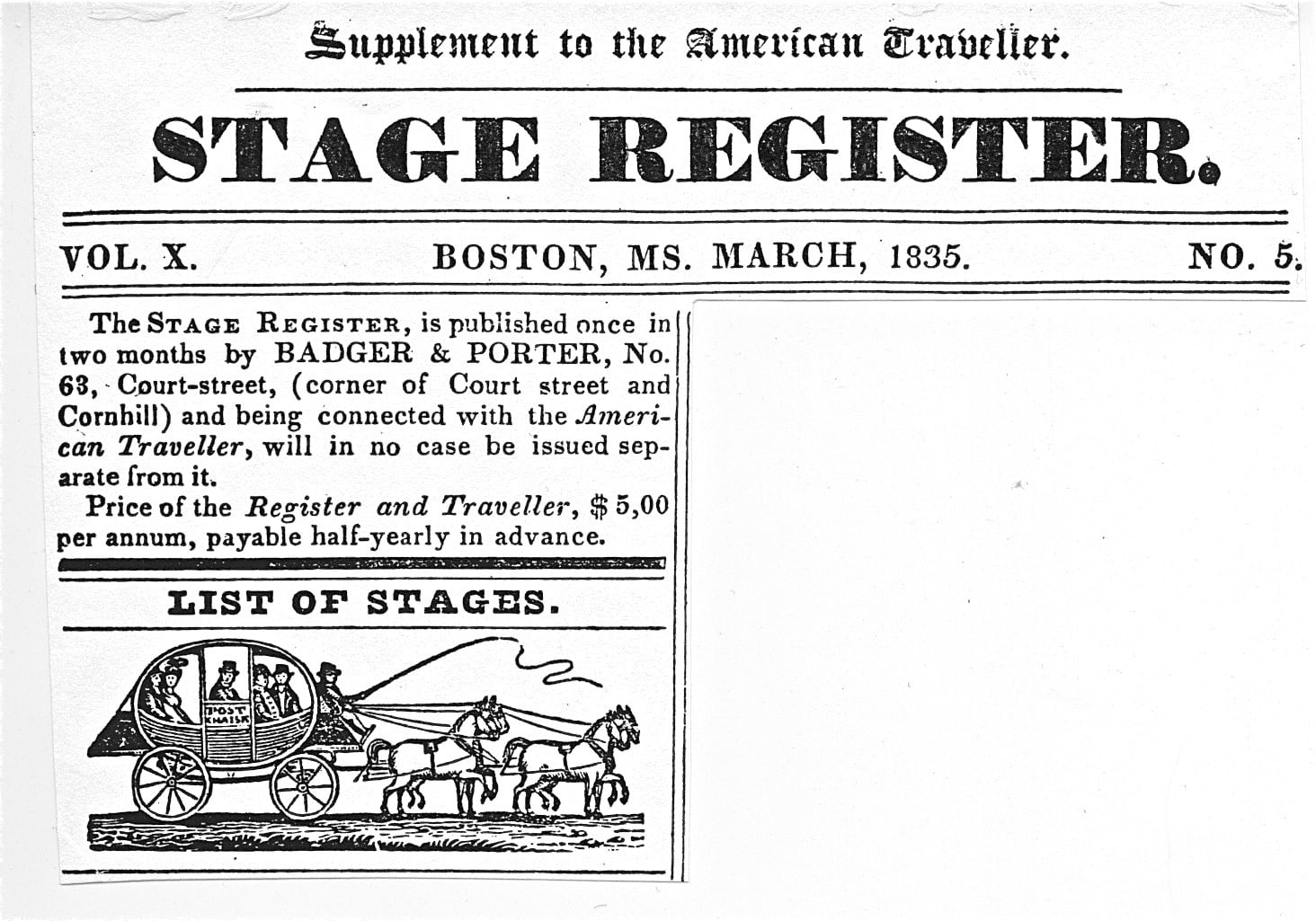
Stagecoach travel in New England reached its peak between 1820 and 1840. The Worcester Turnpike (now Route 9) and other toll roads were constructed by private stock companies. New types of carriages encouraged growth by making stage traveling faster and more comfortable. Badger and Porter Stage Register was published from 1825 to 1838 and provided schedules for stages, steamboats, and canal packets in New England and New York. The schedule for 1830 lists about 40 coaches per week passing through Weston on Boston Post Road and another 42 on North Avenue.
A coach leaving Boston for New York City at three in the morning might stop in Weston for a hearty breakfast and change of horses. In the 1820s and 30s, stagecoaches set off before sunrise because they were expected to cover 80 to 100 miles per day, traveling at an average speed of six miles per hour. This meant spending 14 to 18 hours per day on the road. In 1794, Josiah Quincy, president of Harvard College, wrote this account of his journey by stagecoach from Boston:
“The journey to New York took up to a week. The carriages were old and shackling and much of the harness was made of ropes. One pair of horses carried the stage 18 miles. We generally reached our resting place for the night, if no accident intervened, at 10 clock and after a frugal supper went to bed with a notice that we should be called at three the next morning, which generally proved to be half past two. Then, whether it snowed or rained, the traveler must rise and make ready by the help of a horn lantern and a farthing candle, and proceed on his way over bad roads …Thus we traveled 18 miles a stage, sometimes obliged to get out and help the coachman out of a quagmire or rut, and arrived at New York after a week’s hard traveling, wondering at the ease as well as the expedition of it all.”
By 1827, road improvements had reduced the length of the journey from six days to 36 hours. Beginning in the 1830s, competition from railroads led to a decline in both stagecoach travel and the tavern business. Stagecoaches couldn’t compete with railroads, which were faster and far more comfortable. In the mid-1830s, the Boston and Worcester Railroad became the first commercial line to pass through Weston, with stations in Newton and Wellesley. The first Weston train stations were on the Fitchburg Railroad (later Boston and Maine) on the north side, beginning in 1845.
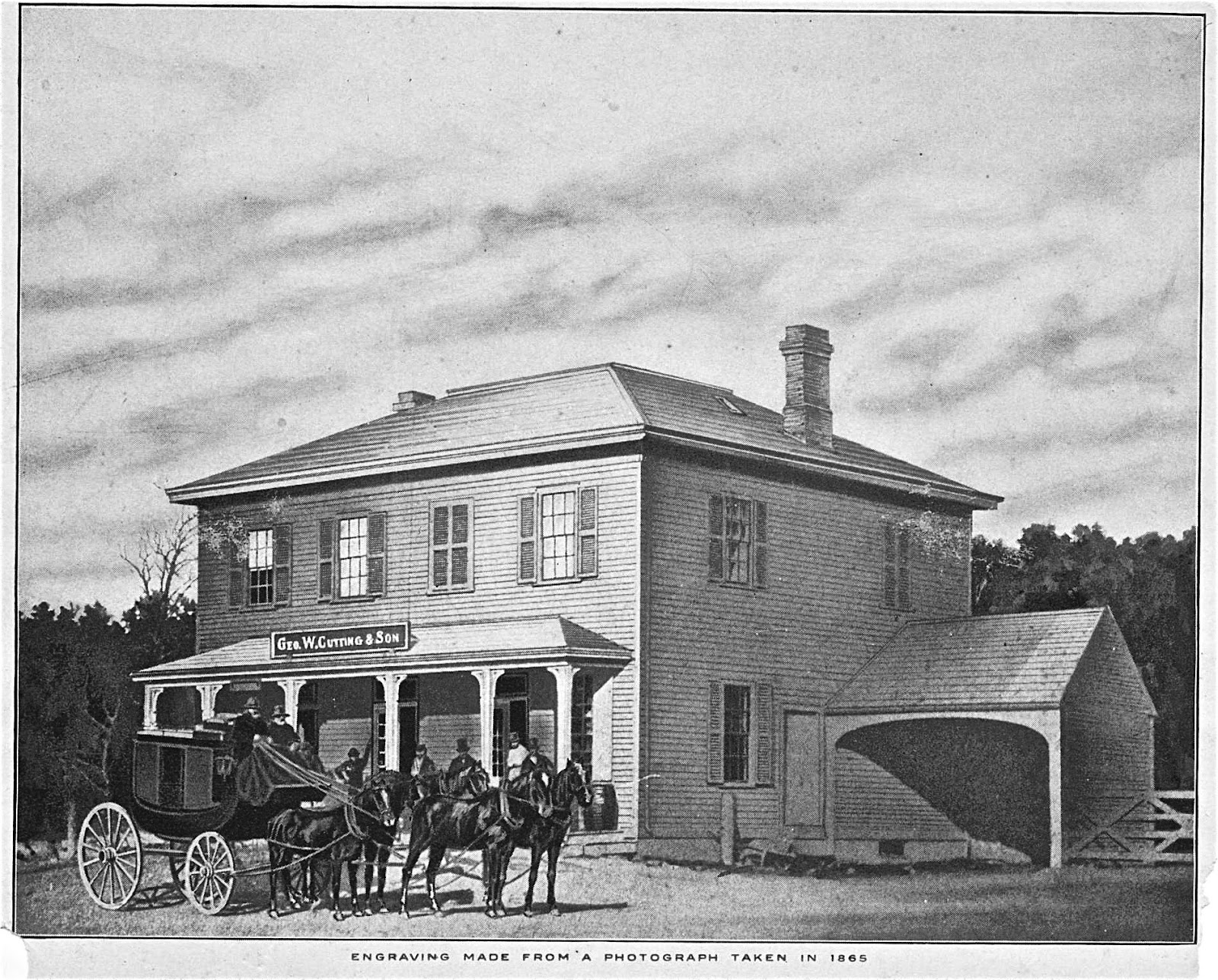
Stagecoaches still operated in Weston into the late 19th century. They were important on routes not served by trains. The last coach line through Weston, from Stony Brook Station to Sudbury and Marlborough, was discontinued when the Central Massachusetts Railroad began operation in the 1880s.
Author

Related Articles

Library Corner: An ear full of chipmunks
Assistant Library Director Allison Palmgren breaks down the growing popularity of audiobooks.

Backyard Naturalist: Six billion sounds like a lot of birds, until you look more closely
Every year since 1900, the Audubon Society has conducted a Christmas Bird Count event.