
Habitat for Humanity hosting Wellesley St. panel
With six affordable Habitat for Humanity units planned for Wellesley Street, the nonprofit has organized an informational panel.
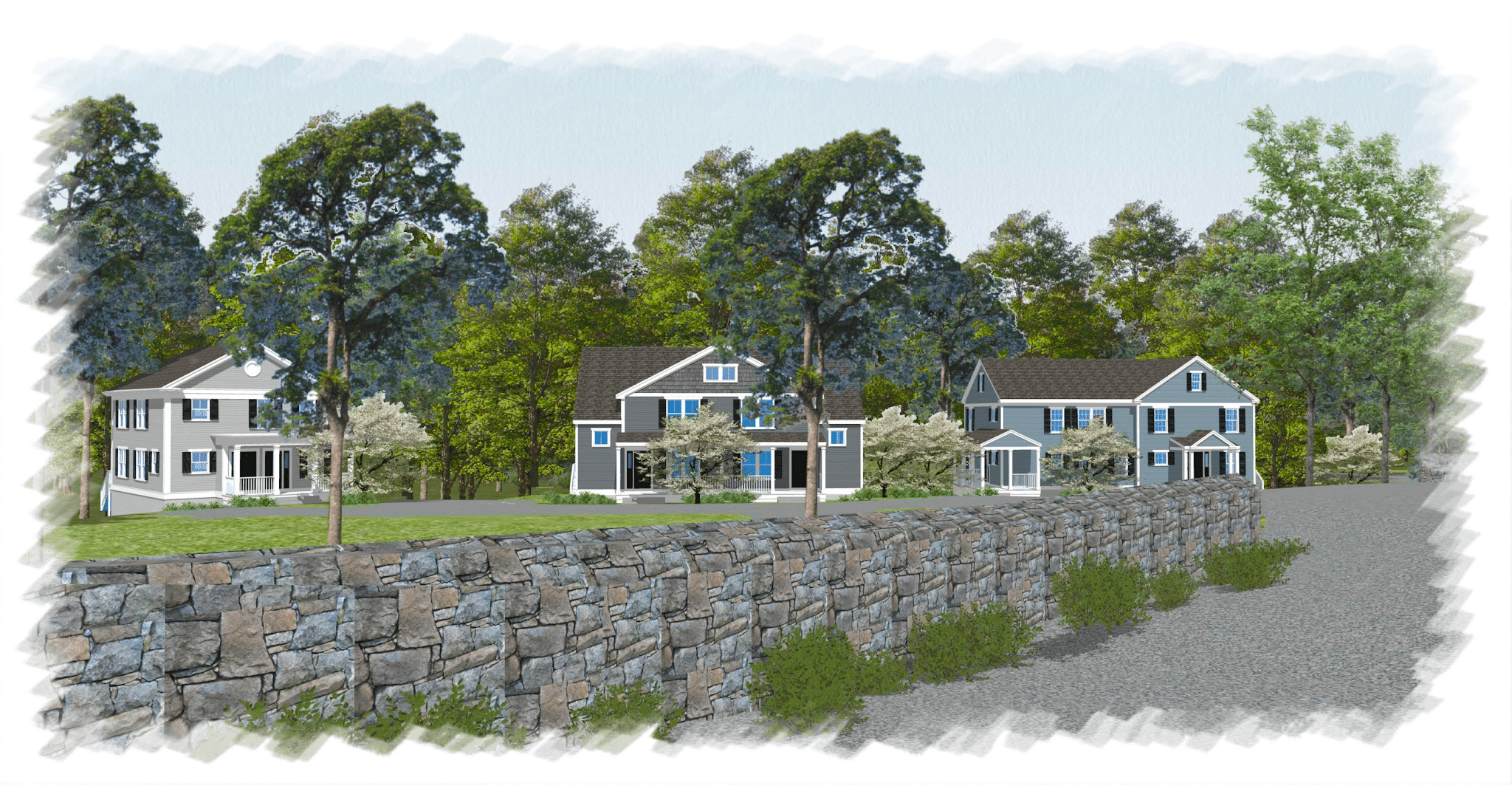
With six affordable Habitat for Humanity units planned for Wellesley Street, the nonprofit has organized a panel discussion to address concerns regarding affordable housing and potential conflicts with community character.
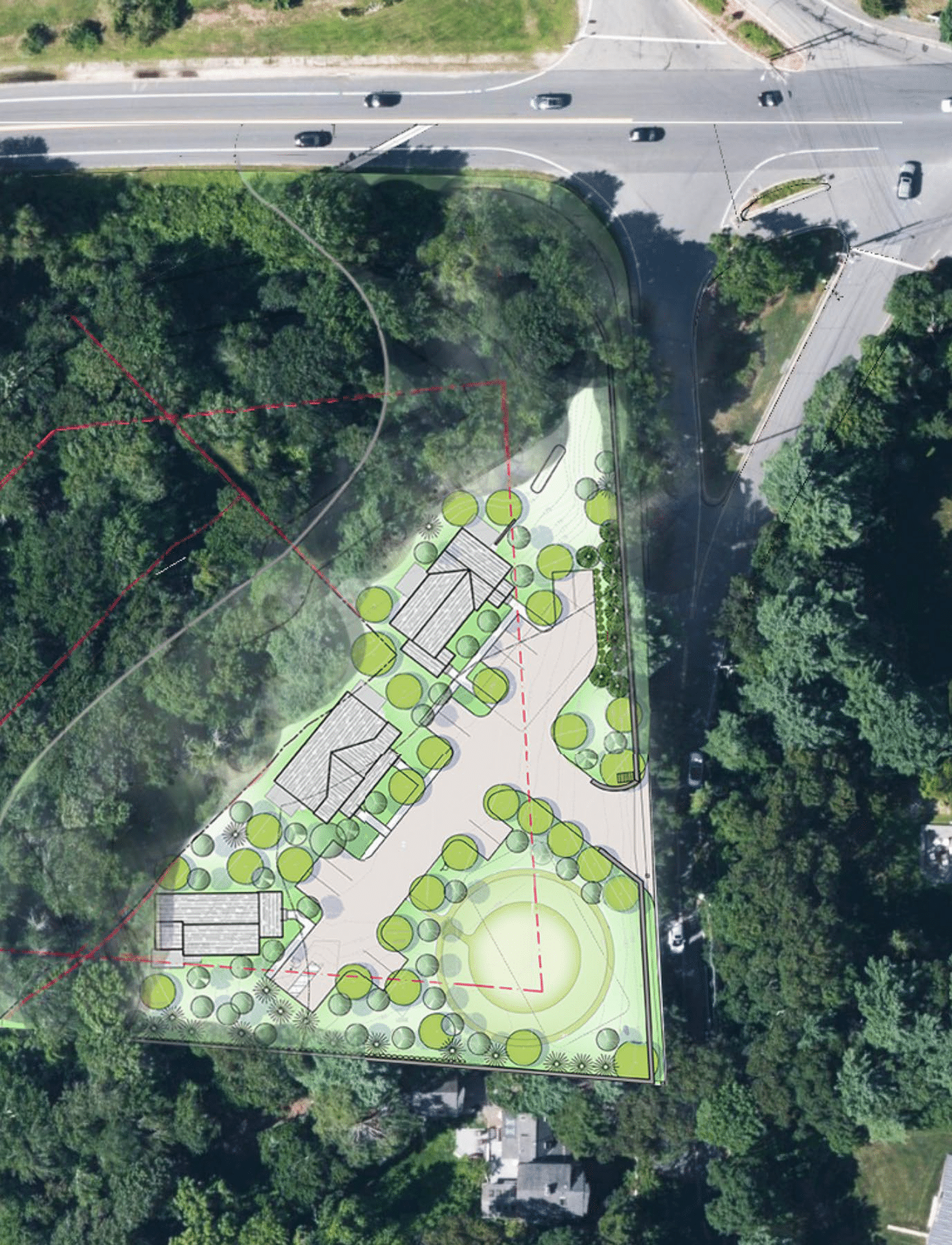
The panel, “A Vision for Wellesley Street: Harmony in Housing and History,” will bring together several residents and Habitat for Humanity representatives to talk about the organization’s project that will bring three two-family homes near the corner of Wellesley Street and Route 20. The event is set for Thursday, May 21, at 5:30 p.m. at the Weston Art & Innovation Center, 356 Boston Post Road, and attendees are encouraged to RSVP at bit.ly/4wlqEXG.
Among the panelists are local historian and preservation consultant Pam Fox, resident and land-use expert Alexander von Hoffman, former Affordable Housing Trust Chair Sarah Lake Rhatigan and Gerry Patton, Habitat for Humanity Greater Boston’s chief construction and real estate officer. The panel discussion is expected to last around an hour, after which attendees can engage in a question-and-answer session, according to Sean Hurley, the organization’s manager of engagement.
“The idea is to have a thoughtful discussion about the history of affordable housing and how it will map to Weston’s architecture, historical design and integrity,” Hurley said. “The purpose is to raise awareness about the build.”
Previewing the discussion, Hurley said von Hoffman will give a “historical journey of Weston and affordable housing,” while Fox’s expertise “dovetails nicely into maintaining and preserving historical integrity of the town through the architecture and land.”
“It’s a rare, wonderful opportunity to have a lively discussion about responsible development, and thoughtful and intentional development in Weston,” Hurley said.
Habitat has worked closely with architect and Weston resident Keith Gross to ensure designs will fit Weston’s character, including the preservation of the neighborhood’s historic rock wall, according to Director of Development Lauren Demski.
“The design complements the neighborhood and pays homage to the historic nature of the local architecture in Weston with colonial-style gables and front porches,” Demski said.
Demski said residents will start to see the site come to life in the coming months as trees are cleared and initial work begins.
Habitat for Humanity’s model requires homeowners to volunteer for 200 hours to help build their homes. Their deeds are restricted which prevents homeowners from selling Habitat houses at market value to ensure that people stay and become part of their communities. Owners are also taught financial management and estate planning, which results in Habitat homeowners foreclosing at much lower rates than the national average, according to Hurley and Demski.
“We position them well for being a first-time homeowner,” Demski said.
Author

Related Articles
Didn’t receive a mail-in ballot? Plan ahead for November
With several reports of voters not receiving their mail-in ballots ahead of the state primary, residents are encouraged to make backup plans for November’s general election.
Route 20, Boston Post Road, Highland Street up next for safety changes
As residents await construction at one crash-prone Route 20 intersection, MassDOT is reviewing proposals for the troublesome Route 20, Boston Post Road and Highland Street intersection.
Senior housing project preps details for Town Meeting warrant
Ahead of Special Town Meeting, Planning Board members continue to press the developer behind Reserve Weston, the senior housing proposal planned for 300 Wellesley St.