
Foraging the local landscape with author Russ Cohen
Weston native and author Russ Cohen knows where to forage in town.
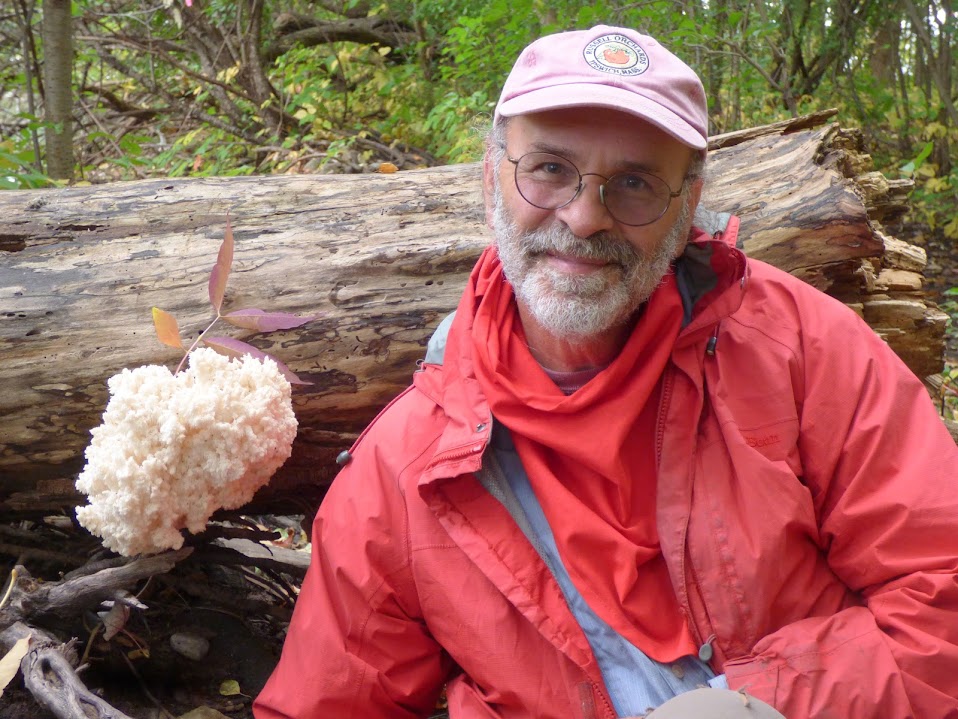
Free for the taking, hundreds of different plants offer sustenance to living beings, including humans. Fruits, nuts and greens are all there, hiding in plain sight.
You just have to find them.
“It’s pretty typical for me to be looking for one thing and see something else,” said Weston resident Russ Cohen, an author and avid forager. “The more stuff you know, the less likelihood you’re going to come home with nothing.”
For more than 50 years, Cohen has eaten his finds, written about them and shared his passion with others through talks and walks. Now, he is sowing the seeds of wild plants.
Cohen was a student at Weston High School when he developed a taste for foraging in the wild. He quickly became an expert, teaching Edible Biology during his senior year in 1974. Loving the environment became his life’s calling and, from 1988 until June 2015, Cohen was a rivers advocate with the Division of Ecological Restoration of the state’s Department of Fish and Game.
His job and hobby had great synergy. After visiting rivers, he could take time to collect wild foods.
“I’d be out with my foraging basket,” he said, gathering both food and knowledge.
Cohen made good connections, too. Local conservation folks helped out along the way, telling him where to find edible plants.
The dark side of wild food foraging
Since he published “Wild Plants I Have Known … and Eaten” in 2004, interest in foraging has skyrocketed, Cohen said, with as many books about gathering wild plants printed over the past 20 years than in all of history.
He has seen how increased interest in eating local food could lead to overharvesting, and how the effects of climate change have impacted harvest times.
While some foragers gather just enough food for family dinners, Cohen fears some native plants such as fiddleheads – the shoots of ostrich ferns – and wild leeks, or ramps, could be wiped out. Foodies and chefs prize these plants because their flavor differs from cultivated varieties.
“I teach a conservation message,” he said, urging foragers to use forbearance and restraint when collecting sought-after plants to avoid overharvesting.
His most recent project is a private nursery for native plants where he has grown more than 100 species from seed. Growing from seed ensures genetic diversity among plants, making them more resistant to diseases than cloned plants, which are grown by cutting and grafting.
Weston hosts many delectable finds
Budding foragers in Weston are in luck, as Cohen has a list of edible plants on his website that are found within the town borders.
A big barberry bush, which provides berries good for jam, grows on Wellesley Street near Field School. The edible nuts of shagbark hickory grow along South Avenue. Common edible and medicinal plants like milkweed, sassafras, groundnut and cattail can be found in fields, woods and wetlands. Cohen makes pie with conventional strawberries and Japanese knotweed, a relative of rhubarb that forms thickets in ground dug up by road and construction projects. Autumn olive, a Eurasian shrub planted along highways, also has good berries for jam, he said.
Many of these same plants provide food and shelter for animals, birds and insects, an additional reason to appreciate them, Cohen said.
Signs of a changing world
Climate change means the harvest time for local flora is changing, Cohen said. Humans are adaptable and can adjust, but pollinators and migrators will be impacted by change, he said.
“Humans are part of nature,” he said. “We can connect without destroying nature.”
For more information, recordings of previous talks, recipes and a schedule of Cohen’s upcoming talks, visit his website eatwild-ne-org.
Related Articles
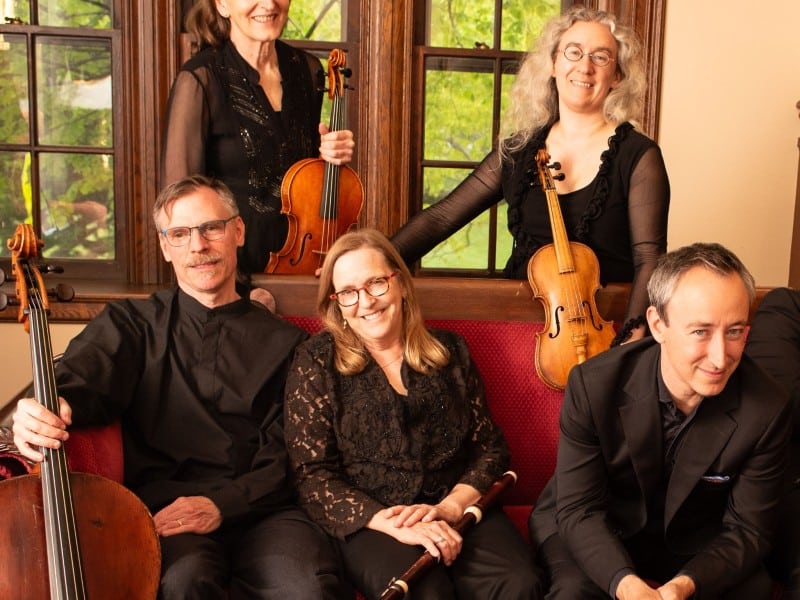
Musicians of the Old Post Road begins concert season
There’s something “magical” about performing period music on period instruments, says Suzanne Stumpf.
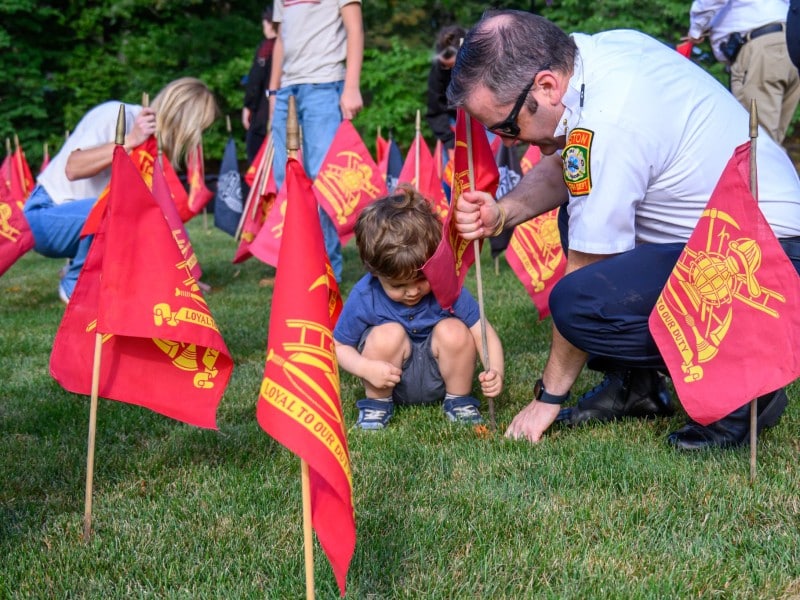
Photos: Westonians place flags for victims of terrorist attacks
In commemoration of the 25th anniversary of the 9/11 terrorist attacks, residents gathered on the Town Green, Sept. 11, 2026, to plant flags for each of the nearly 3,000 victims lost in those attacks.

Saying No to New: A guide for ditching distractions and reclaiming your life
Weston Native and New York Times editor Eric Athas has written “Say No to New: Why New Things Are Stealing Your Time, Money and Happiness and How to Take Back Your Life.”