‘Faces of Pride’ shares community perspectives
The town’s “Face of Pride: What Pride Means to Me” shared community perspectives.
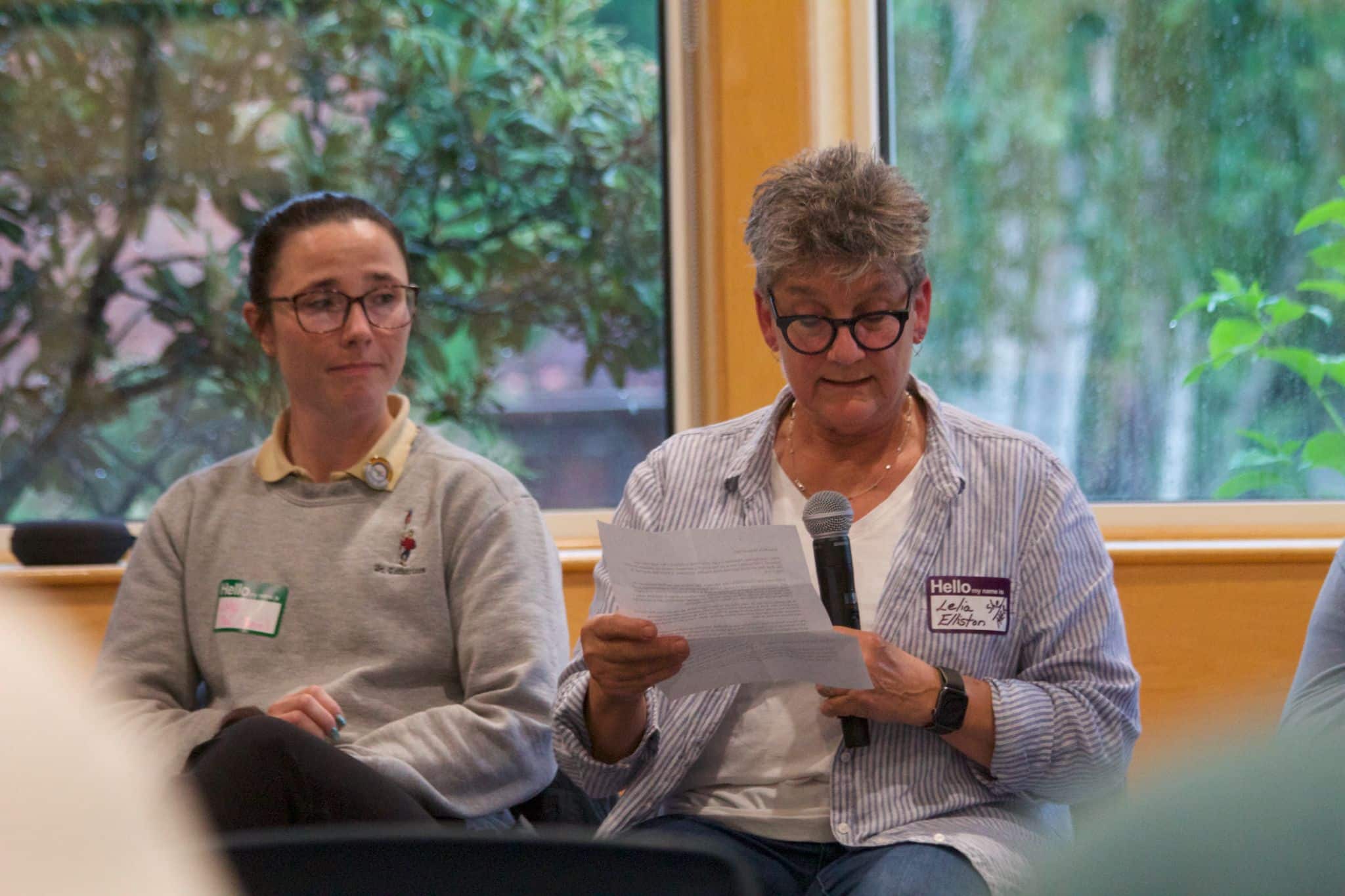
For resident Lelia Elliston, Pride is more than a celebration of her identity; the month and its events offer a moment of reflection on loss, progress, community and continued advocacy.
Elliston recounted how her experience of marching in the 1981 Dallas Pride parade marked the beginning of a lifelong commitment to the movement, the struggles of participating in the city’s gay subculture and the loss of her brother Fred to AIDS in 1984. All of those moments, and everything in between, she said, have led her to Weston, where she lives with her wife on the family farm.
“I carry both of those lives with me; the fear and the flowers, the brother I lost and the wife I get to grow old with – and legally,” she said. “When I think about what Pride means to me, it’s the dash between 1981 and 2026, and never forgetting how we got from one end of it to the other. Not with pride, but without shame, and with rebellious joy, love and laughter.”
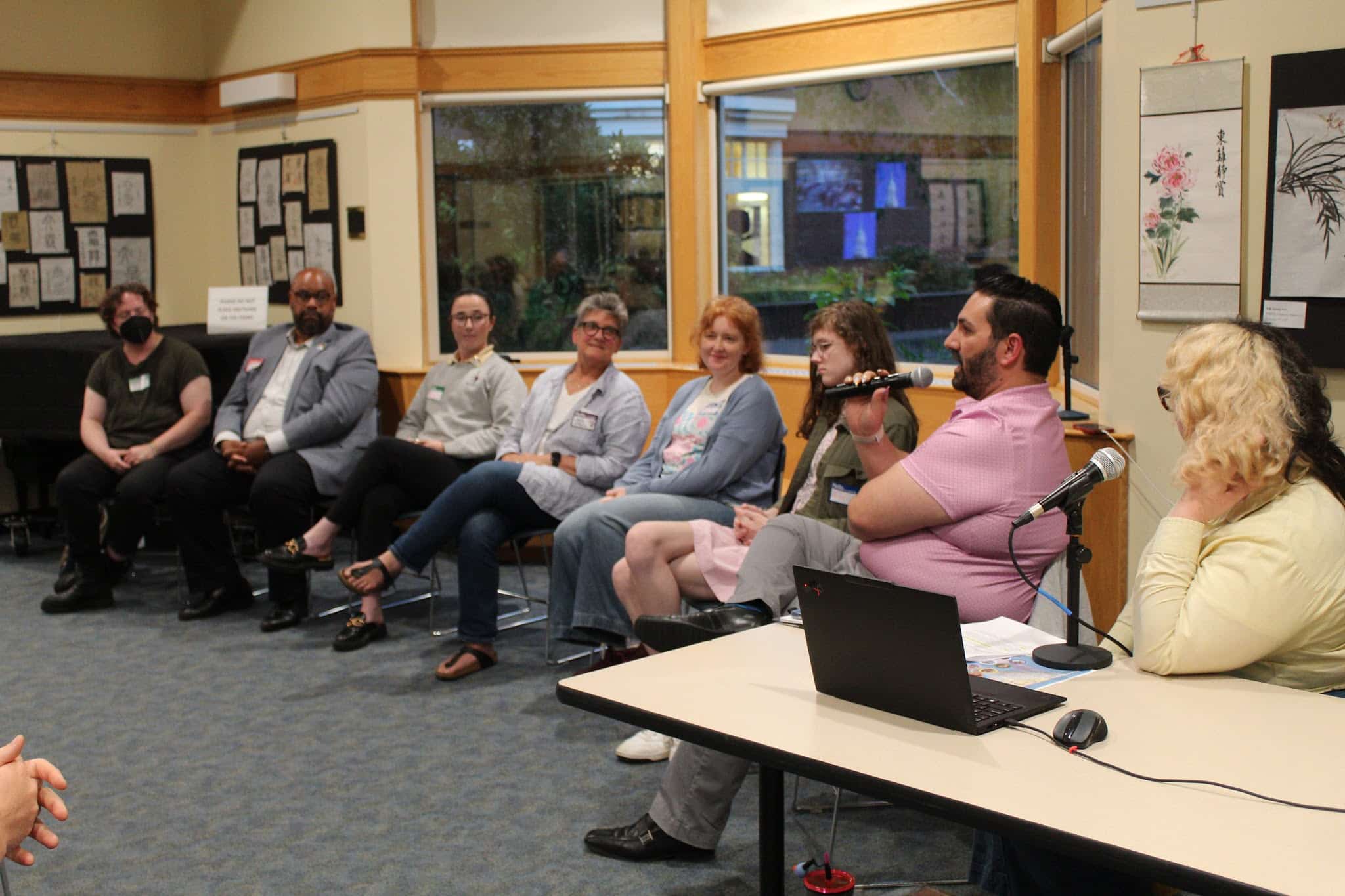
Elliston’s experiences were one of seven shared by community members at the Weston Public Library on Monday evening for “Faces of Pride: What Pride Means to Me,” a panel organized by the town manager’s office with assistance from the library, the Health Department, the Council on Aging and Weston Pride.
Panelists included Elliston, Town Manager’s office assistant Libby Litchter, Assistant to the Town Manager Stephen Addonizio, Weston High School library paraprofessional and Gay-Straight Alliance advisor Erika Lockwell, Regis College Chief Diversity Officer Michael McGorvey, rising Cambridge School of Weston senior Autumn Muzila and resident Nick Snow. Olivia Dufour, regional substance use prevention coordinator for the Great Meadows Public Health Collaborative, moderated the event.
More than 30 people joined the event in person and another dozen or so joined virtually.
Each person described what Pride means to them, shared their own personal journeys toward embracing their identities and noted that despite all the work that has been done over the last few decades, the battle is never finished, even in deep-blue Massachusetts.
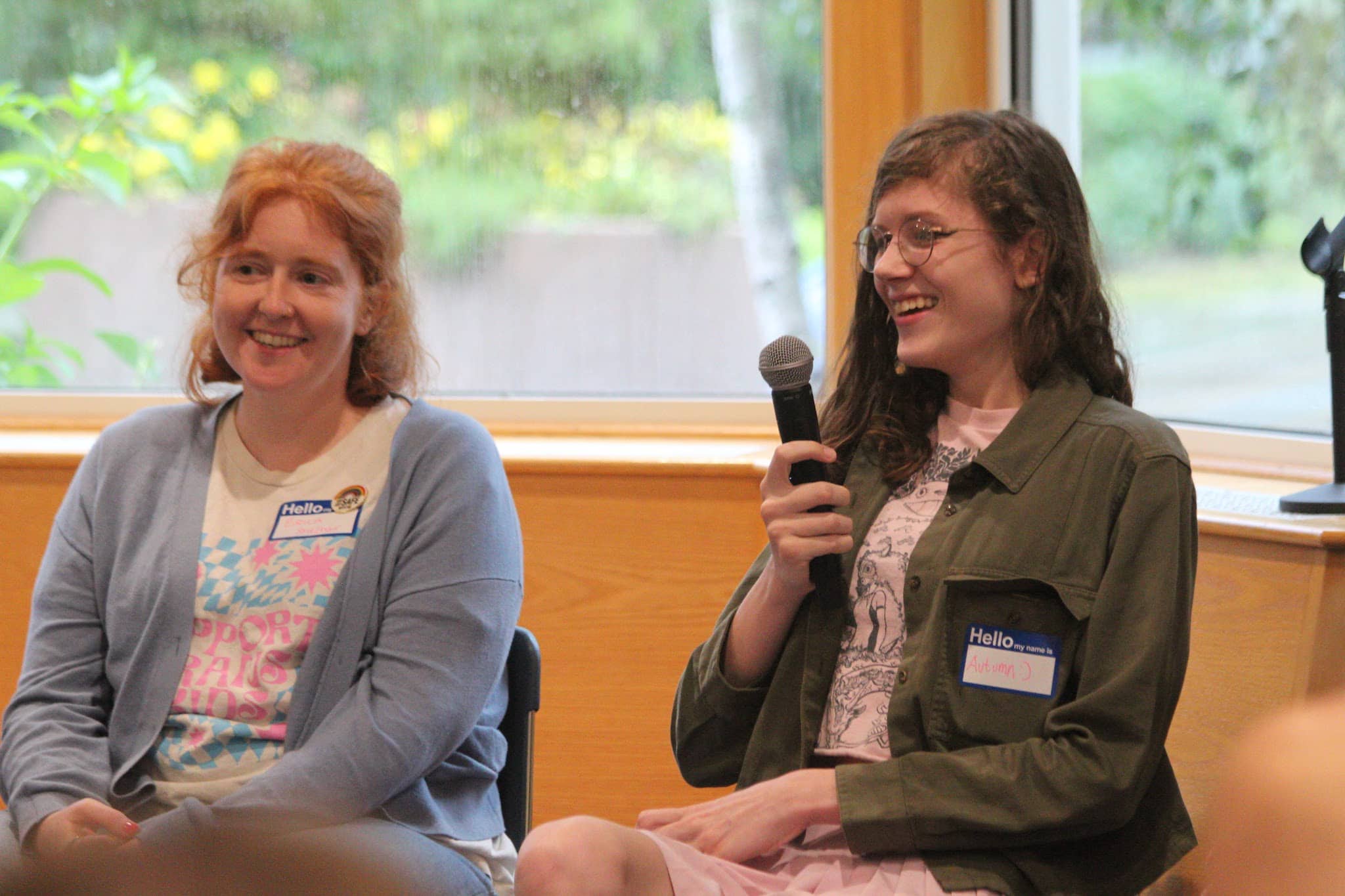
McGorvey, who also serves as vice president for inclusive excellence at Regis College, said great progress in expanding rights has been made, but the fight must continue, as rights can be clawed back at any point. He noted that while the law currently permits gay marriage, the actual work comes in changing societal norms because “norms are more powerful than rules.”
“I think what was made very clear recently is that for minoritized communities, rights are never rights, their privilege is temporarily extended,” he said. “It made me realize that when victories are won, it is not the time to relax, it is time to entrench them further … The rule might be that, yes, gay people can get married, but it has not become the norm yet in our society, where it is just accepted and not really reconsidered.”
Lichter explained how they, and many other LGBTQ people, often have to share their identity, or have their identity misidentified, many times a day. The key to navigating these challenges, they said, is having strong personal relationships and building a community for yourself.
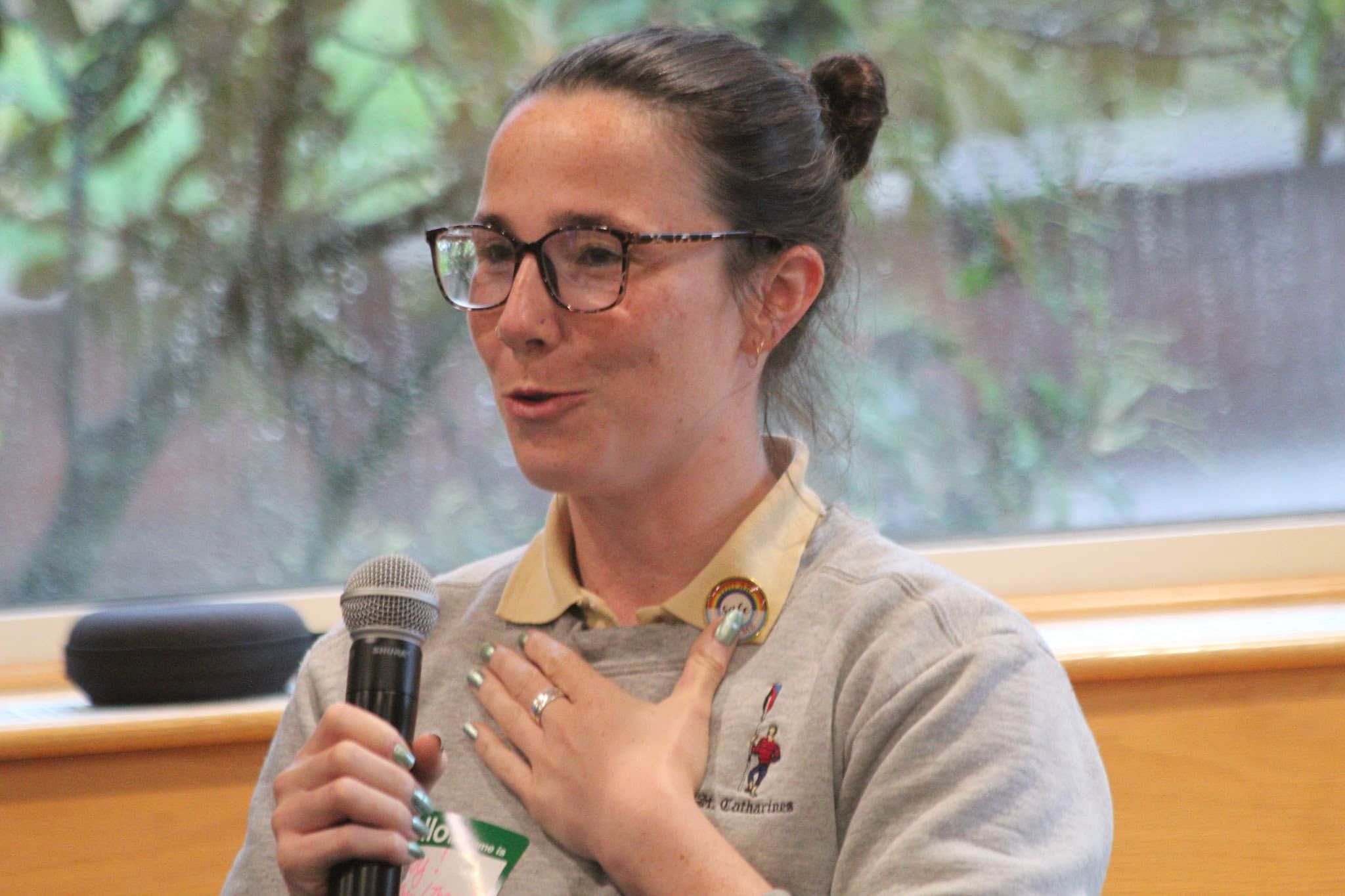
“One of the greatest lessons that I learned – and again, I would choose to be queer in every single lifetime – is it taught me the value of picking people that wanted to pick me,” Lichter said. “There’s so much value in that, standing by those people because there will be people that make your life easier. There will be people that make your life harder, there will be people who go out of their way to make you feel bad for being you and then there will be people whose day is made by spending time with you.”
“A little sort of idiom I stand by is this: You can be the juiciest peach in the world, there’s always going to be someone who doesn’t like peaches,” they continued. “That’s fine, but you really need to create that community for yourself, and it reminds you that you do belong.”
With Pride Month ending in a few days, Addonizio urged people to continue the party, but, of course, there is always more work to be done.
“Don’t stop celebrating,” Addonizio said, “but don’t allow the celebration to slow down the work that needs to be done in order for us to be able to keep celebrating.”
Author
Related Articles
29th annual Rotary Club car show set for Sept. 26
For Richard DeVito Jr., a member of the Weston & Wayland Rotary Club, relating life experiences to the cars people drive is the essence of the organization’s biggest community event: the annual Antique and Classic Car Show.
Flock contract frozen as Police seek feedback
The national conversation about police surveillance has come to Weston.

Steps for Sotos to raise money for first-of-its-kind MGH clinic
A local family is hosting Steps for Sotos, a walk-a-thon to raise money for MGH’s Sotos Syndrome Clinic.