
Case Estates nearly ready to hit market
Town officials are hopeful they are one step closer to selling three historic buildings located off Wellesley Street.
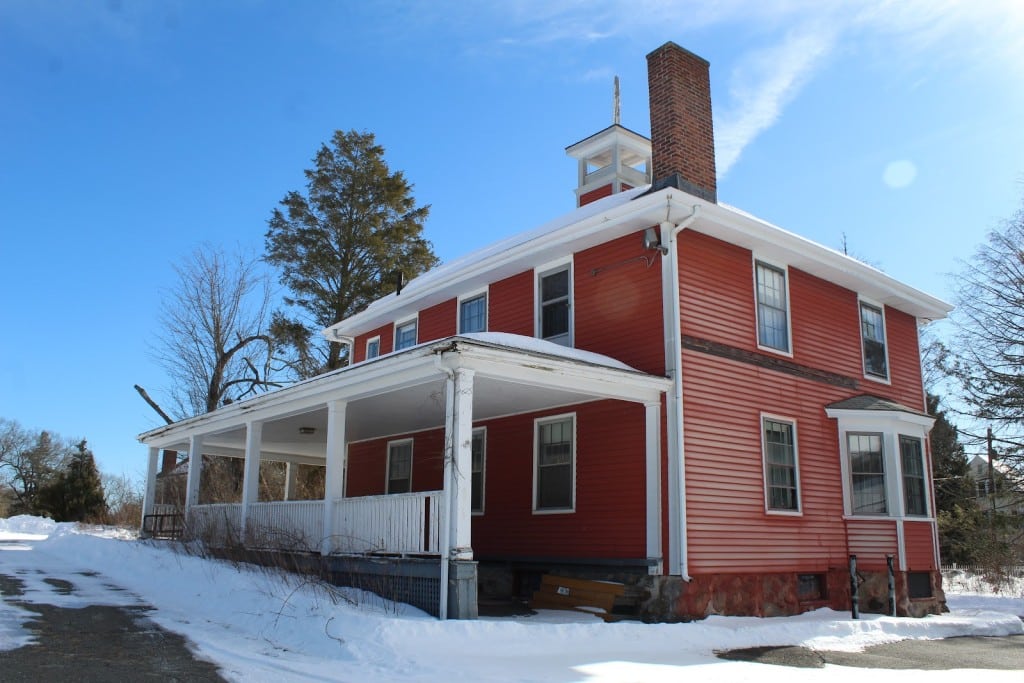
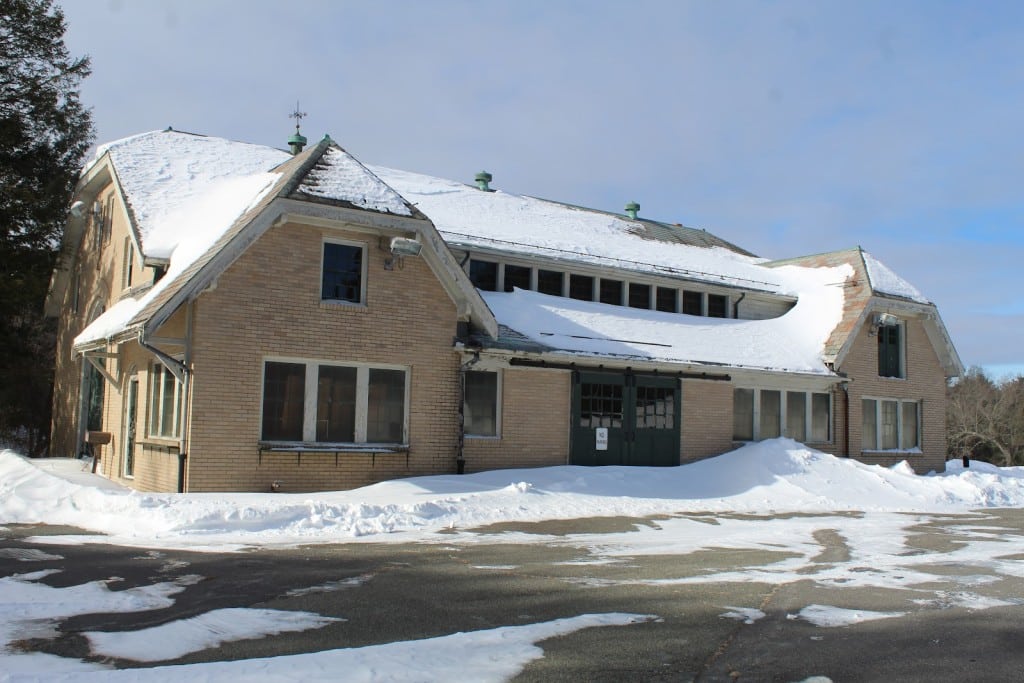
Town officials are hopeful they are one step closer to selling three historic buildings located off Wellesley Street.
For years, Weston has tried to sell three buildings at the Case Estates: the Thomas Rand Jr. House, located at 131 Wellesley St., as well as Hillcrest Stables and the Schoolhouse, both located at 133 Wellesley St. In late 2024, Weston issued a request for proposals, but the Select Board in April 2025 recommended against selecting either bidder in an effort to find a stronger bid to preserve the buildings as single-family homes.
With a variance in hand from the Zoning Board of Appeals that will allow each building to occupy its own lot, town officials think they may have found a solution.
“When I came to the Select Board, I made it a priority to sell these properties. I thought, and others agreed, that the best way to do that would be to sell them as single-family residences with preservation restrictions,” Select Board member John McDonald said in an interview. McDonald is the Select Board’s lead member on the Case Estates project. “By dividing it up into three, we think it’s going to be a lot easier to sell the properties.”
McDonald said this approach to selling the buildings ensures the area is historically preserved, while also removing the town’s liability to maintain them.
“The longer you allow the properties to just fall into disrepair, it becomes nearly impossible to renovate them, in which case the only alternative is to tear them down,” McDonald said. “We wanted to keep the character of the neighborhood, and once those residences are built, there’ll be considerable tax revenue coming into the town because they’ll most likely be above the median value of a home in Weston.”
The Case Estates is a 62.5-acre collection of properties on both sides of Wellesley Street that was started as an experimental farm by Hillcrest Farms founder Marion Case, who combined farming and education on the site. The property was willed to Harvard University’s Arnold Arboretum in 1944, and in 1989 the Arboretum offered the land back to Weston.
The ZBA at its Feb. 4 meeting unanimously approved the variance request put forward by the town, which grants exceptions to the minimum lot-area, street-frontage and setback requirements from lot lines. The Residence District A requires at least 60,000 square feet, 250 feet of frontage and at least 45-foot setback from lot lines for a lot to be buildable.
Without the variance, the town would be unable to divide the Schoolhouse and Stable lot into two parcels because neither would comply with Weston’s zoning bylaws. Each of the lots would measure only about 30,000 square feet, have only about 125 feet of street frontage and would not meet the 45-foot minimum setback requirement.
The properties are exempt from the state subdivision control law because the two buildings predate the town’s 1959 subdivision control provision, according to town counsel Amy Kwesell.
Kwesell noted that while the dimensions of these lots would be in violation of the Residence A zoning district’s requirements, they would be in compliance with other residential zoning districts in Weston. Residence Districts C and D have lot area requirements of 30,000 and 20,000 square feet, respectively.
“The town is looking to sell these and have them preserved, and without the variance, we cannot create the lots 4A and 4B, and we would be right back in the same position,” Kwesell said. “This really wouldn’t be a significant derogation.”
The Rand House, on Lot 5, is classified as a pre-existing nonconforming structure, so no variance is required.
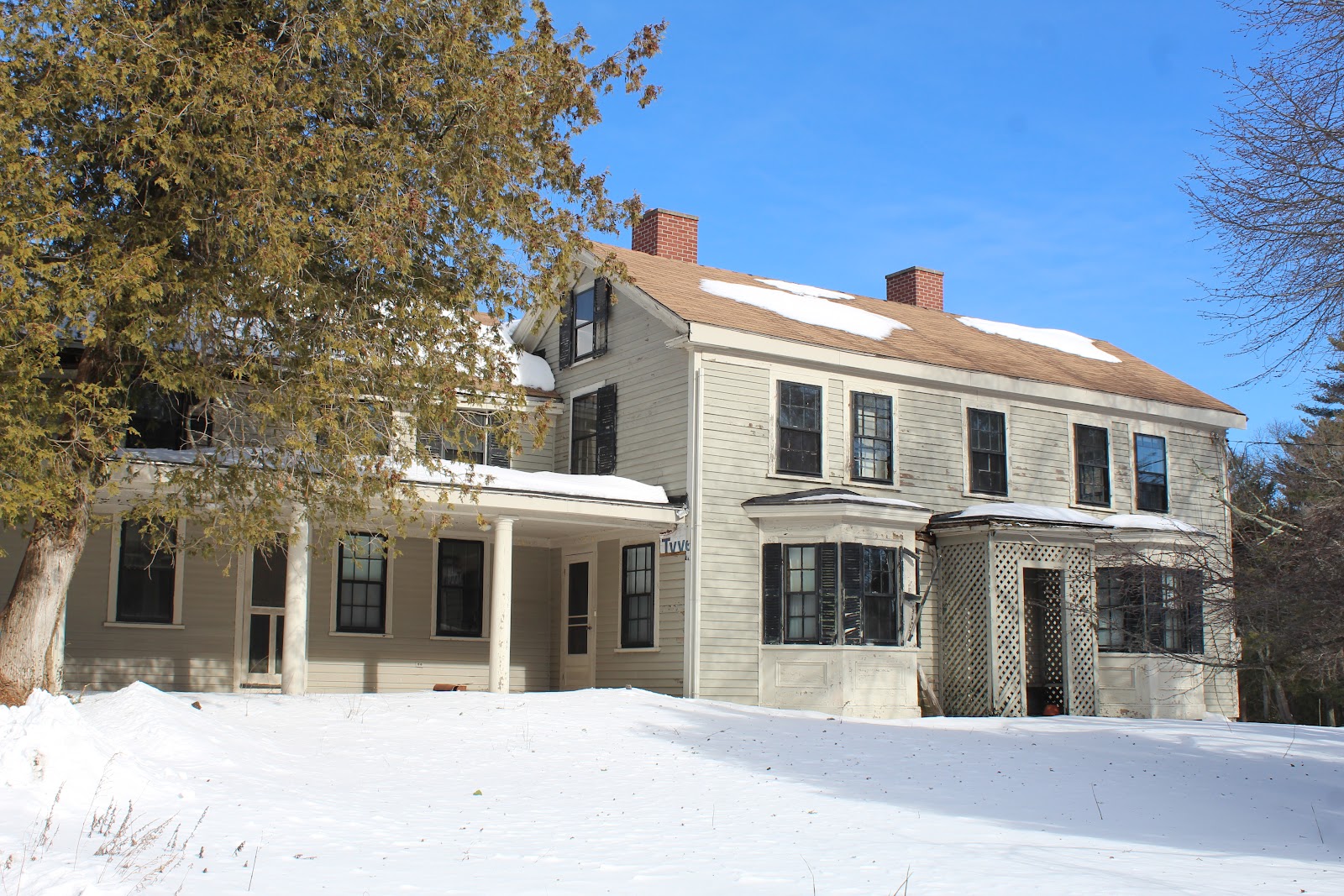
The town also presented plans, created pro bono by Al Aydelott and Patrick Ahearn, for the buildings that showed off their potential to be transformed into single-family homes.
To proceed further, the town must now submit an Approval Not Required plan with the Planning Board. From there, Weston can move forward with selling the lots.
“We hope to get these out on the street soon,” Gaumond said. “We want this winter to be the last winter these are owned by the town of Weston.”
Residents at a Special Town Meeting in November 2006 authorized the purchase of the land for $22.5 million, but that deal did not go through after contamination was discovered on the site. The saga played out through 2016, when the town and Harvard University came to an agreement to purchase the property for $13.74 million.
Addison Antonoff contributed to the reporting of this story.
Author

Related Articles
29th annual Rotary Club car show set for Sept. 26
For Richard DeVito Jr., a member of the Weston & Wayland Rotary Club, relating life experiences to the cars people drive is the essence of the organization’s biggest community event: the annual Antique and Classic Car Show.
Flock contract frozen as Police seek feedback
The national conversation about police surveillance has come to Weston.

Steps for Sotos to raise money for first-of-its-kind MGH clinic
A local family is hosting Steps for Sotos, a walk-a-thon to raise money for MGH’s Sotos Syndrome Clinic.