
Backyard Naturalist: Go ‘Cats! Weston’s other breed of wildcat
Weston is home to some amazing ‘Cats, and Backyard Naturalist Michael Pappone is highlighting bobcats (not wildcats) this week.
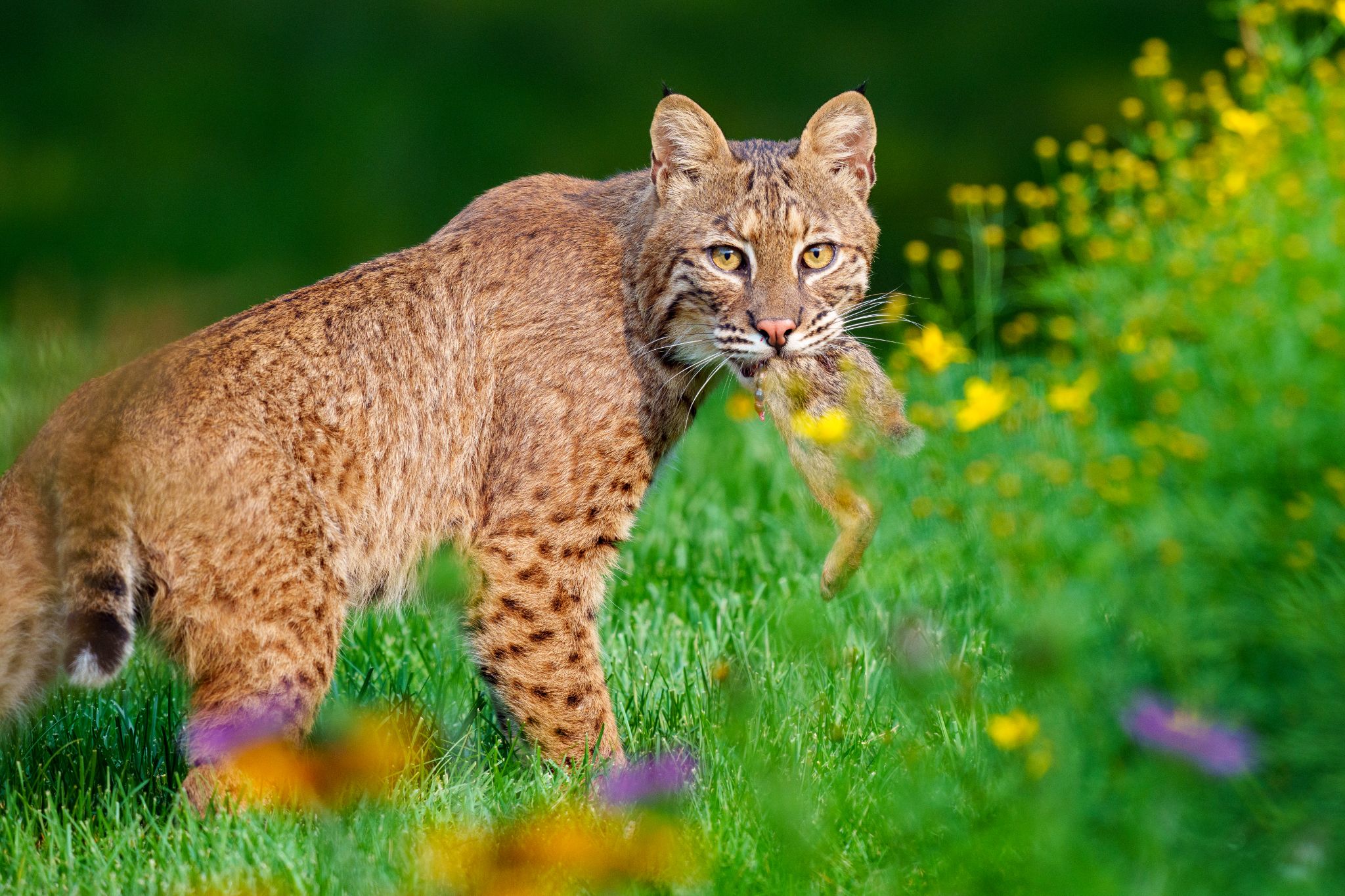
Weston is home to some amazing ‘Cats. Over the years our student-athletes have scored more than a fair share of success. They’ve basked in glory, on display before loyal Wildcat fans. Soon their seasons will be over for the year. They’ll scatter for the summer, or swap their maroon for a college jersey.
Did you realize that Weston is also home to a cat of a different stripe: one that is wary of the limelight and would never join anything like a team? I’m talking about the bobcat (Lynx rufus) — a magnificent athlete in its own right. Based upon anecdotal evidence from around town, our environs may host several separate breeding populations of bobcat, thestate’s only species of wildcat. There must be a family who calls Cat Rock home, right?
With its tufted ears, stubby tail and three-to-four foot length, Bob would never be mistaken for someone’s tabby. This wild cat can launch into a 30-mph sprint or slow to a silent crawl, placing one foot in the place of the other until it’s ready to pounce on its prey. From a crouch, the bobcat can spring into a 12-foot leap or levitate six feet straight up. Crepuscular critters that they are, Bobs’ favorite hunting hours are in the dusk and dawn, leaving them time for an elongated catnap between midnight and pre dawn. Not surprisingly, these hours coincide perfectly with those of their favorite prey species: rabbits. They can also take mice, squirrels, birds and snakes, as well as the occasional fawn or particularly slow and weak adult deer.
These cats get no school breaks; nor do they even get to hibernate. That may increase your chances of actually encountering one in the wilds of Weston during any given month. Our bobcats breed as early as February, give birth two months later and nurse the two to four kittens for an additional two months before allowing them to venture out.
The local resurgence of bobcats follows a period when hunters, farmers and game control officers practically extirpated them from the commonwealth. They are now benefiting from the reforestation of much of the state, and enjoying the resulting habitat connectivity where their prey species thrive. Weston’s mix of forests, meadows, swamps and other water sources provides a welcoming environment. And we do have plenty of rabbits – just ask anyone with a garden!
Don’t panic if you see a bobcat. The species is notoriously wary (if otherwise tolerant) of humans. When spooked, the ‘cat can defensively employ its secret weapon–retractable claws–and rocket up a tree. Our best practice is to hector the Bobs away from our yards, as it is not good for these 15- to 40-pound felines to become too comfortable around humans or our small pets.
This apex predator fears little from other wildlife. Its young are most vulnerable to roaming male bobcats; and they also face threats from foxes, coyotes and owls. Humans and their vehicles pose the biggest danger to grown bobcats out on the prowl. A lucky Bob can hope to live for around a dozen years. I’m expecting plenty of mail to the Observer from neighbors who have a bobcat story of their own to share. Sadly for me, my only bobcat thrills have been of the vicarious variety – so far!
Author