
Backyard Naturalist: How big is Otis’s backyard?
Meet Otis, a Canadian long-eared owl who somehow ended up on a Royal Caribbean cruise ship.
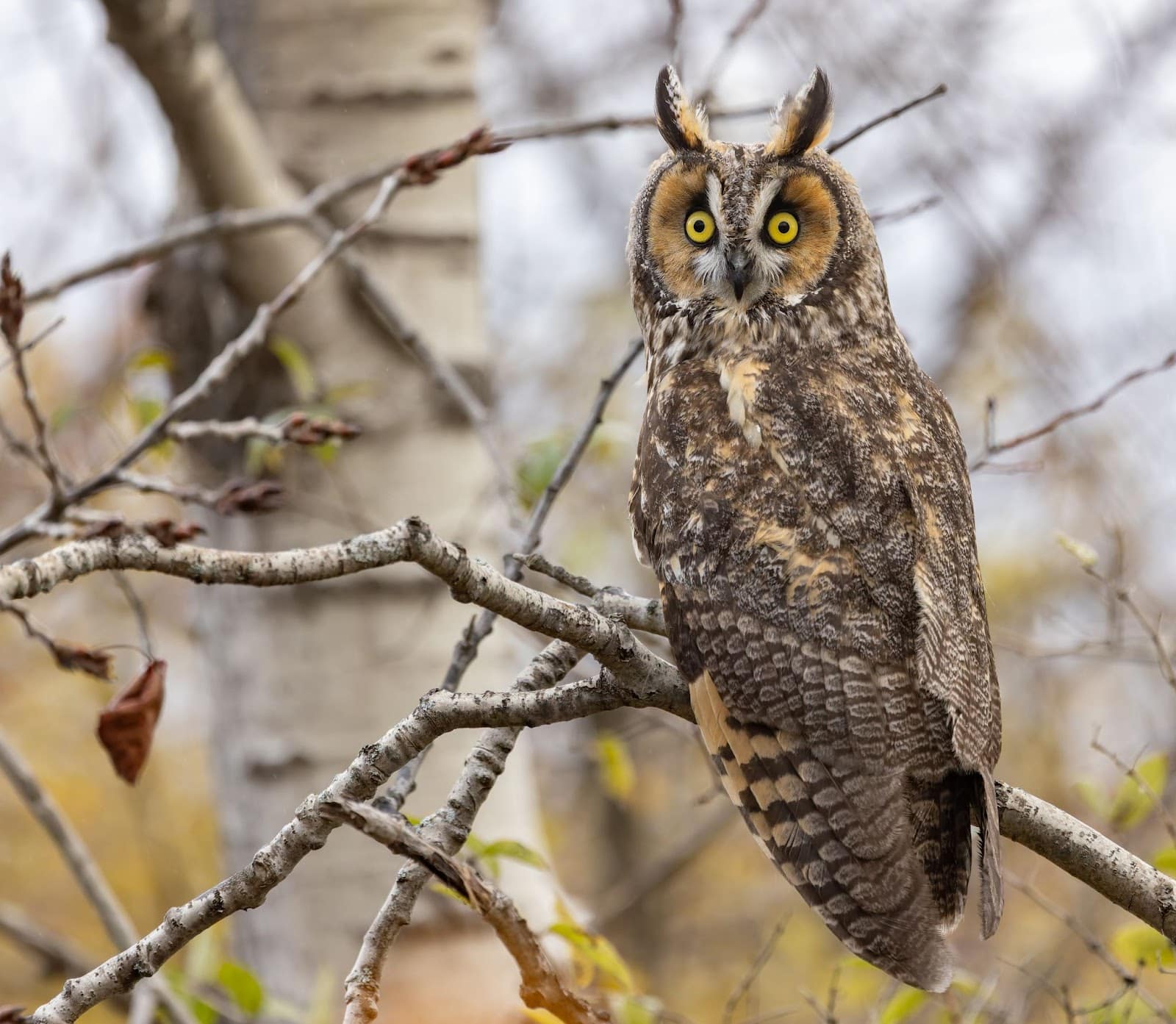
The current chapter in the life of a Canadian owl ends happily, on a salt marsh north of Boston.
The story of this long-eared owl, asio otus (or Otis, for short), though, began as a harrowing and decidedly unauthorized cross-border journey. Why is your Backyard Naturalist celebrating a foreigner? Maybe to suggest that it can indeed be rewarding to expect the unexpected. And partly to shout out to the professionals who keep our wildlife protected.
I had the good fortune to make the acquaintance of that remarkable bird recently. The long-eared owl is a slender owl species, notoriously secretive and elusive – with a big appetite for little meadow voles. Otis had been the subject of a text received by my friend and bird guide, David Larson, while we were birding in the Parker River National Wildlife Refuge and points north on a recent Thursday morning.
Word from Sean Riley, stewardship research biologist/coastal wildlife biologist for the Massachusetts Department of Conservation and Recreation (David volunteers for northern saw-whet owl banding with Sean’s crew) was of the pending banding and release of this rehabilitated long-eared owl. David asked me if I would like to attend. Sean was picking up the owl at Tufts Veterinary Clinic in Grafton for release in the afternoon in a coastal thicket near Boston.
Answer: “Obvi!”
We left our scores of snow buntings and horned larks scraping away in the Hampton Beach State Park parking lot, wolfed down some lunch at The Rusty Can, and hightailed it to the release site.
Turns out that Otis had been discovered aboard a Royal Caribbean cruise ship on the way from Nova Scotia to Boston, far from land and facing the prospect of perishing in the ocean. The crew had secured the bird and held it aboard for the rest of the journey. When the ship docked in Boston, the itinerant owl was whisked past ICE and transported to Grafton for evaluation.
Fortunately, the bird was healthy and just needed a couple of days of rest and food. Given a clean bill of health, Otis (in a cardboard animal box) was off on the car ride with Sean toward the release site, where he could find both roosting groves and open areas to hunt for voles. The banders recorded weights and measures, fastened the official federal aluminum leg-band and set Otis free on a branch of a fallen tree. Otis stared at the group of humans, rested a bit from all the excitement, flew up to a better vantage point and eventually flew down a path and out of sight. We were all relieved to see that Otis flew away low, since a high flight could have exposed the owl to harassment by hawks or crows in the area. Officially, this small long-eared owl was recorded as a hatch year bird (meaning hatched in 2025) of indeterminate sex (probably a male, but not clearly enough to record officially).
For me, it was nice to have had a bit of serendipity added to the day’s birding and to wish our charismatic Canadian visitor well and a safe trip home.
Author

Related Articles

Library Corner: An ear full of chipmunks
Assistant Library Director Allison Palmgren breaks down the growing popularity of audiobooks.
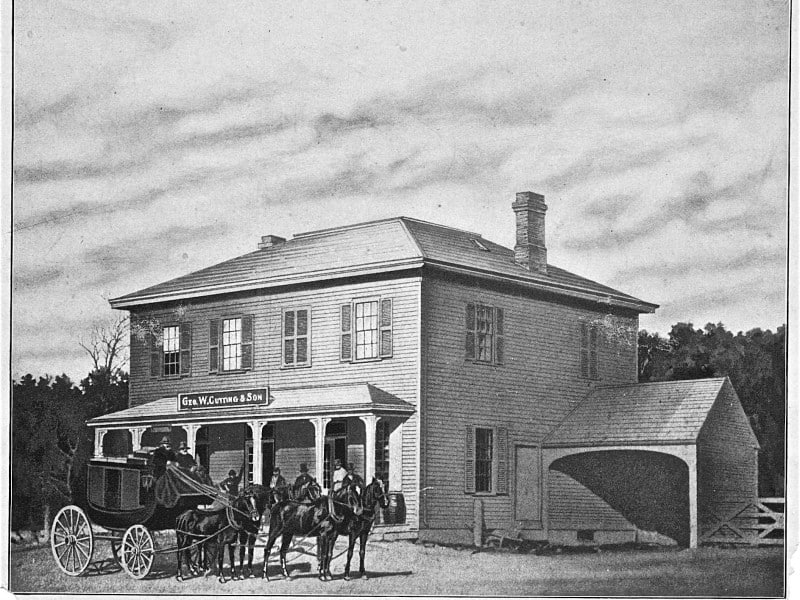
History Corner: ‘A cradle on wheels’: Stagecoach travel in the late 18th and early 19th century
Pam Fox dives into the history of stagecoach travel, which created plenty of traffic in Weston.
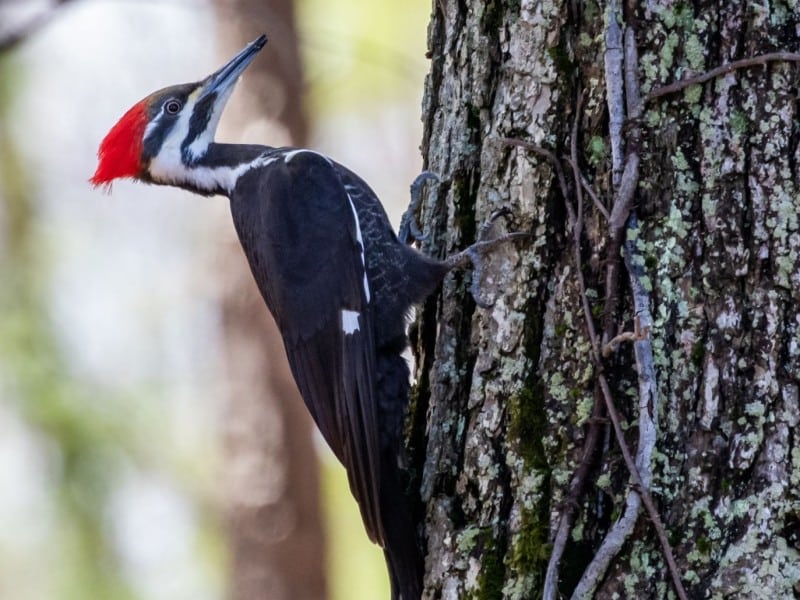
Backyard Naturalist: Six billion sounds like a lot of birds, until you look more closely
Every year since 1900, the Audubon Society has conducted a Christmas Bird Count event.