
Backyard Naturalist: Our summer birds: To feed or not to feed
Backyard Naturalist Michael Pappone lays out some thoughts and tips for feeding birds at your home.
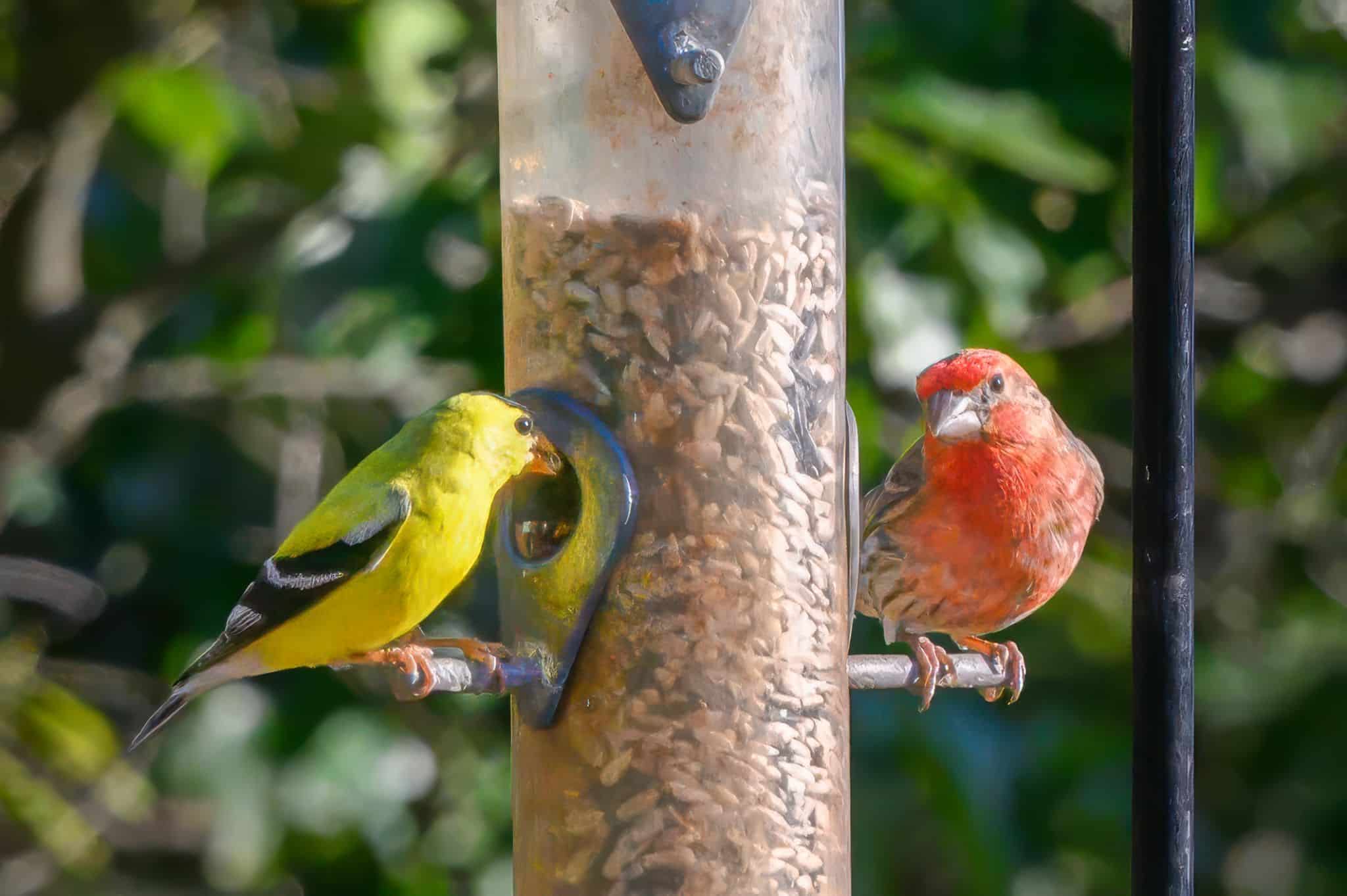
People ask me this question every year as the new leaves turn our winter woods into a verdant wonderland: should I stop feeding the birds now? After all, winter’s resource scarcity has been eclipsed by a cornucopia of juicy insects, spiders and plenty of other creepy-crawly things. The truth is that birds are well-suited to scavenging their own meals in all seasons. Only in extreme winter weather do they actually rely on our handouts for survival.
Yet, I resolutely believe that proper feeding yields real benefits. Those who feed the birds benefit from the scientifically-validated mental health boosts associated with closer contact with the natural world. Paying close attention to our avian feeder guests boosts cognition, and may even beat a gym workout for hitting the mood-reset button. It is said that living near 14 or more bird species provides people with the same “life satisfaction” as getting a raise at their job. So feeding benefits us.
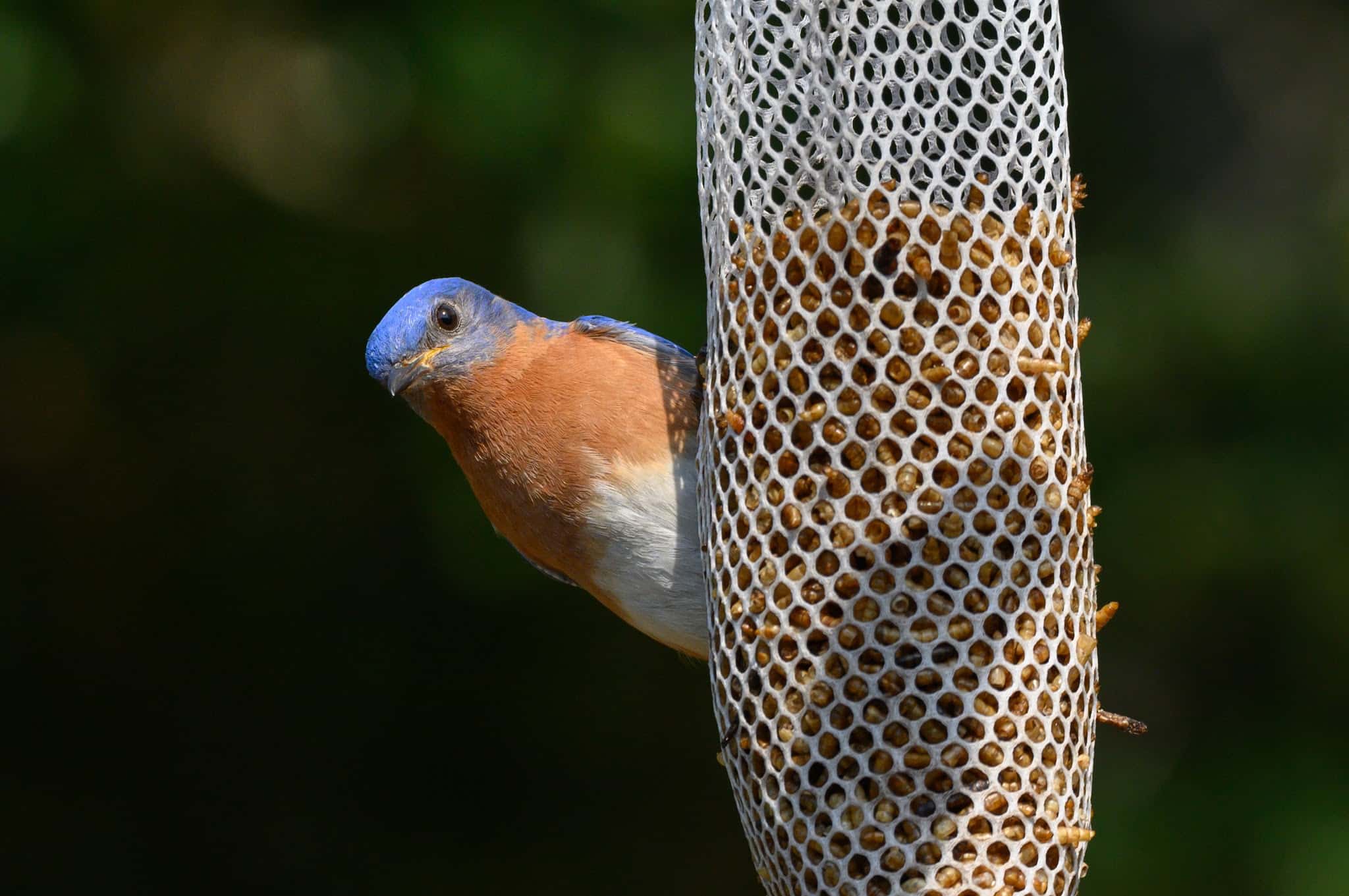
How about the benefits for the birds? These are often incremental and indirect — but real. When those big glossy grackles finish off an entire suet cake in a day, they’re efficiently feeding their young, conserving energy and avoiding risks that may be associated with feral foraging. Chickadees mainly seek out squirmy, juicy leaf-eating caterpillars to provide their brood with a protein-rich diet — 6,000 to 9,000 per season. But my seeds provide the parents with a supplemental source of nourishment for themselves.
Let’s be sure our feeder visitors are getting the most from our hospitality.
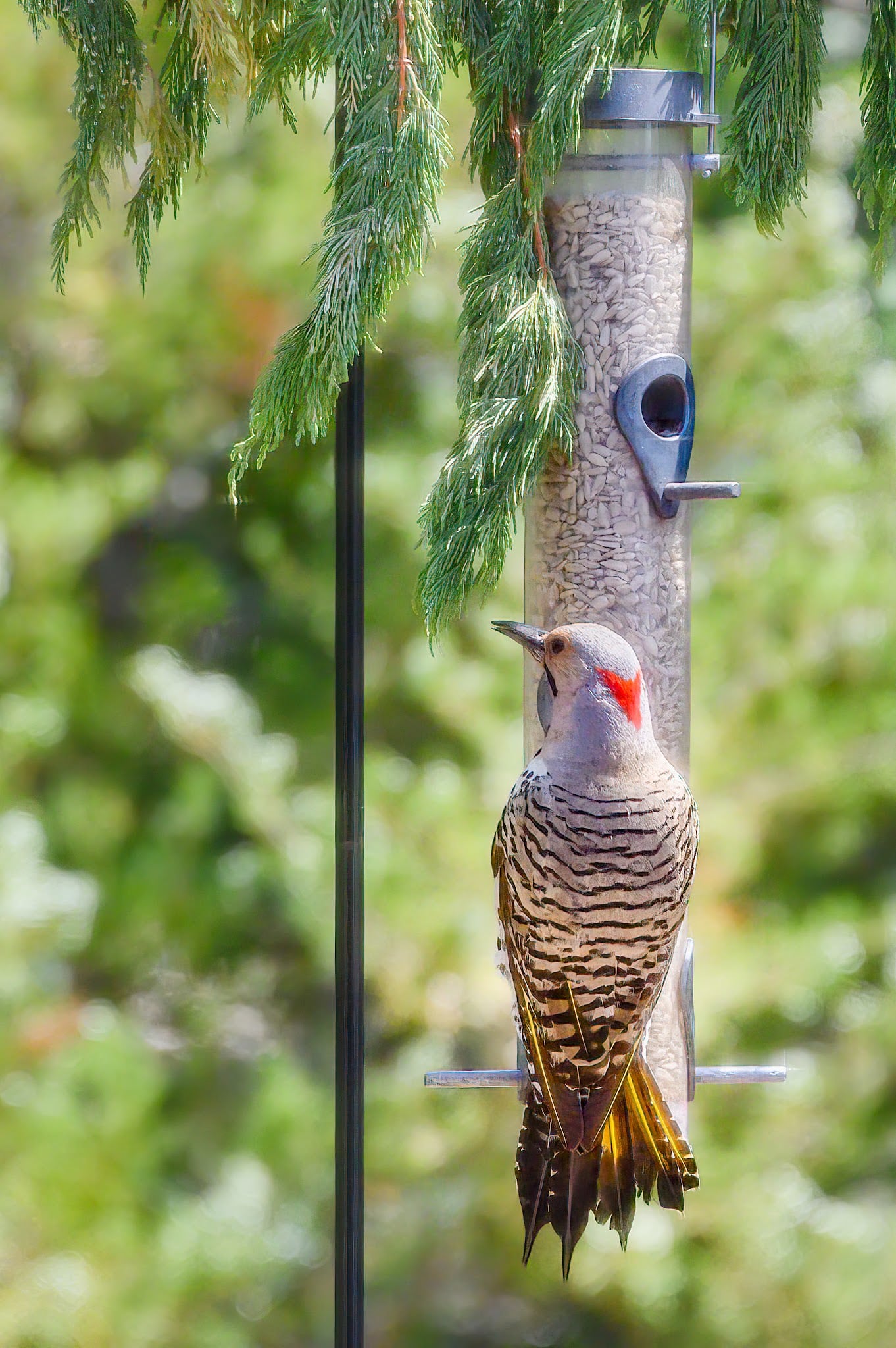
First, place the feeder in a safe place. Maybe not too near to a window that could lure birds into collisions. And definitely close enough to trees and shrubs they can use to check for predators like Cooper’s Hawks (and cats) before dashing over to the feeder.
Second, commit to cleaning your feeders periodically. A dilute bleach solution (1:9) for tube and platform feeders; a dilute vinegar solution (1:4) for hummingbird feeders. In hot weather, the sugar nectar we feed hummers can develop nasty harmful mold in just a few days. Serve smaller portions and change the solution every few days (never less often than weekly).
Third, keep your ears cocked for news of any bird flu or contagions spreading towards Weston, or bear sightings.
Fourth, provide some amenities, like a bird bath that you’re willing to refresh at least twice a week and populate your garden with native species that support birds’ well-being.
To get you started, the Cornell Lab of Ornithology offers a guide indicating which birds are attracted to which different kinds of foods: feederwatch.org/common-feeder-birds.

I’m taking particular pleasure in learning that rose-breasted grosbeaks suddenly want to be my best friends ever since I started offering black-oil sunflower seeds on my platform-type feeder cam. Without having restocked my suet cage regularly during breeding season, I would never have met the families of downy woodpeckers arriving five or six at a time to participate in feeding lessons where food is shared beak-to-beak.
And every day the birds teach me a new lesson in “pecking order,” as the 20 or so species that visit jockey for position to get their share.
As I freshen up the feeders, the words of poet Mary Oliver remind me: “It is a serious thing, just to be alive on this fresh morning, in the broken world.”
Scan the QR code to listen to a rose-breasted grosbeak, courtesy of the Cornell Lab Macaulay Library.
Author

Related Articles
Backyard Naturalist: Tree swallows herald fall’s arrival
Such is the life of a tree swallow: filled with beauty, alive with frenetic activity and fraught with endless uncertainty. Carpe diem.

Ideas in the Making at the AIC: Watercolor: flowing color and infinite possibilities
Water meets pigment, pigment meets paper, and magic happens on the page. That’s the quiet alchemy of watercolor — a medium simple in its ingredients and boundless in its results.

History Corner: Light in the Colonial dark: The Magic lantern and Declaration Day
When visitors arrive at the JST for Declaration Day festivities on Sunday, Sept. 13, they will experience a form of entertainment that predates film, photography, and the Tavern itself: the magic lantern show.