
Are you prepared for an emergency? Ask the WERC
The Weston Emergency Reserve Corps is the town’s volunteer backup in times of need.
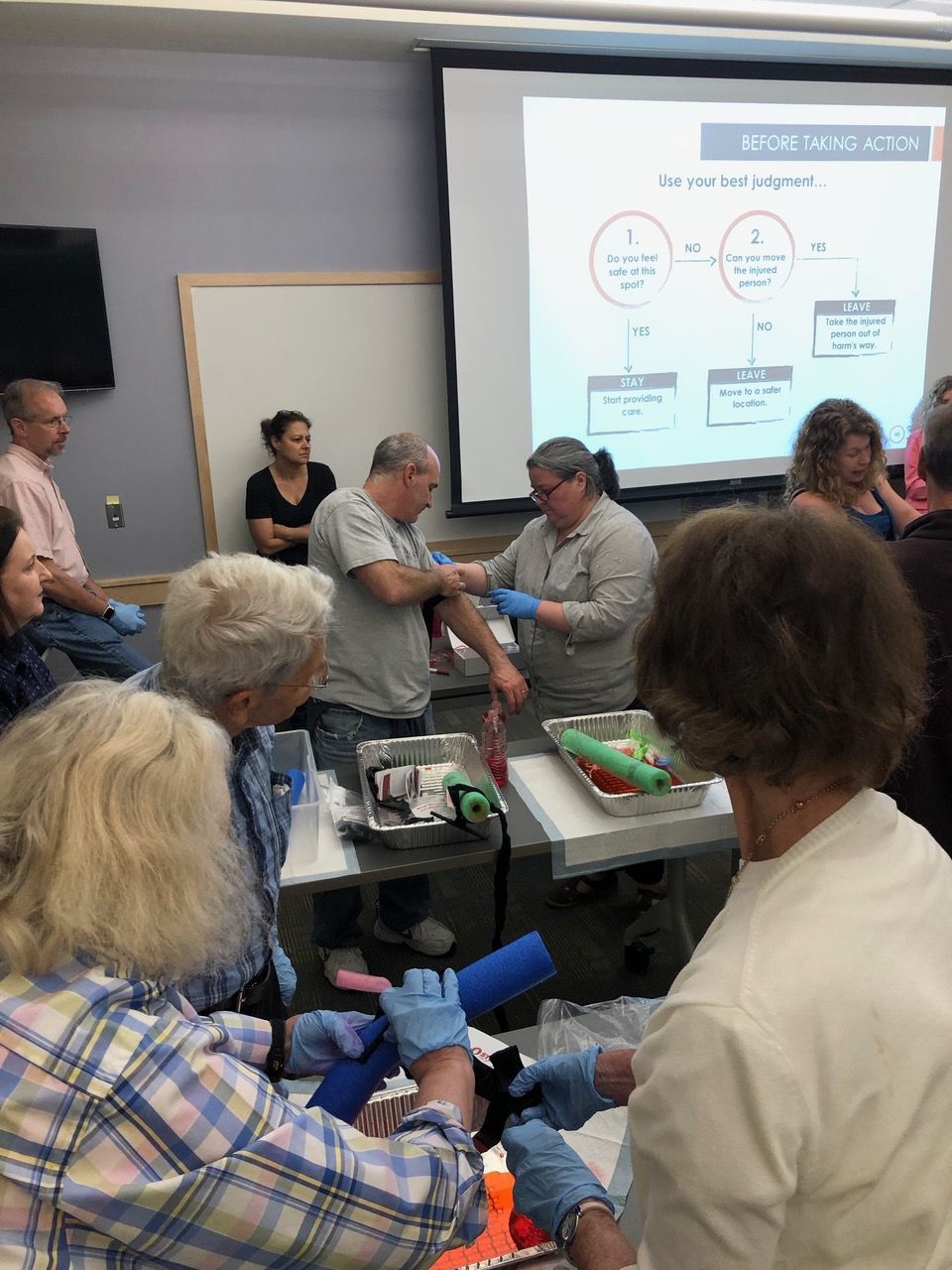
Paul Martin wants Westonians to be prepared in case of emergency.
Martin is secretary of the Weston Emergency Reserve Corps (WERC) and leader of the MetroWest Medical Reserve Corps (MRC), a federally recognized unit of the state Medical Reserve Corps.
“We are by no means doomsday preppers, but we are focused on being prepared somewhat,” Martin said.
Creating a go-kit with family health and financial information, as well as adequate supplies and funds for every member of the family, including pets, is one simple way residents can prepare, Martin said.
Providing advice on go-kits is only one way the WERC advises and supports the safety of the town’s residents.
WERC was started in 2002 by then-Public Health Director Wendy Diotalevi under the umbrella of the MetroWest MRC. Today, Public Health Director Kelly Pawluczonek oversees it.
After 9/11, the federal government required towns to set up a corps to manage volunteers during an emergency. Those first volunteers were prepared to help in the event of an anthrax attack, or something similar, Pawluczonek said.
Most of the work since then has focused on opening and staffing shelters in the event of a long-term emergency, such as the ice storm that shut down Worcester in 2008, she said. Volunteers also help dispense public health information at town-sponsored events.
When Pawluczonek joined Weston in 2021, WERC was helping staff COVID-19 vaccination clinics.
Although the volunteer list is quite long, Martin said there are about 20 active volunteers.
While members of the MetroWest MRC must be trained in certain areas, training is not required for WERC volunteers, although it is available. Pawluczonek said anyone who wants to help out is welcome to join.
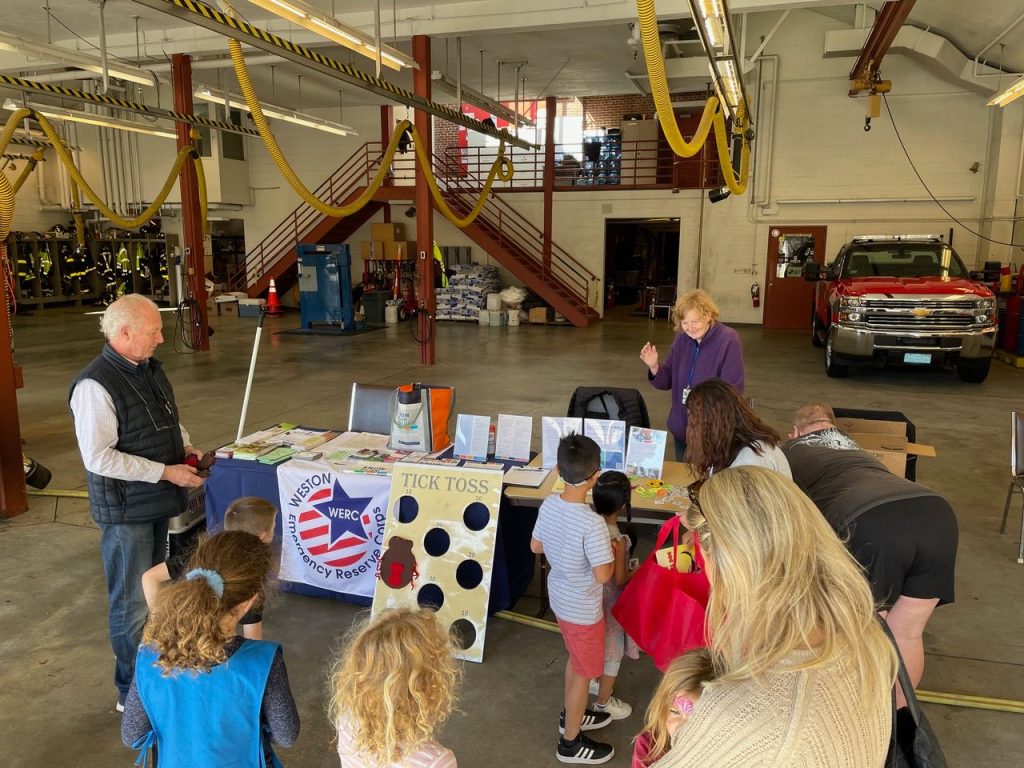
Volunteer training
Rudy Ruggles, chairman of WERC, has volunteered with the corps since its inception.
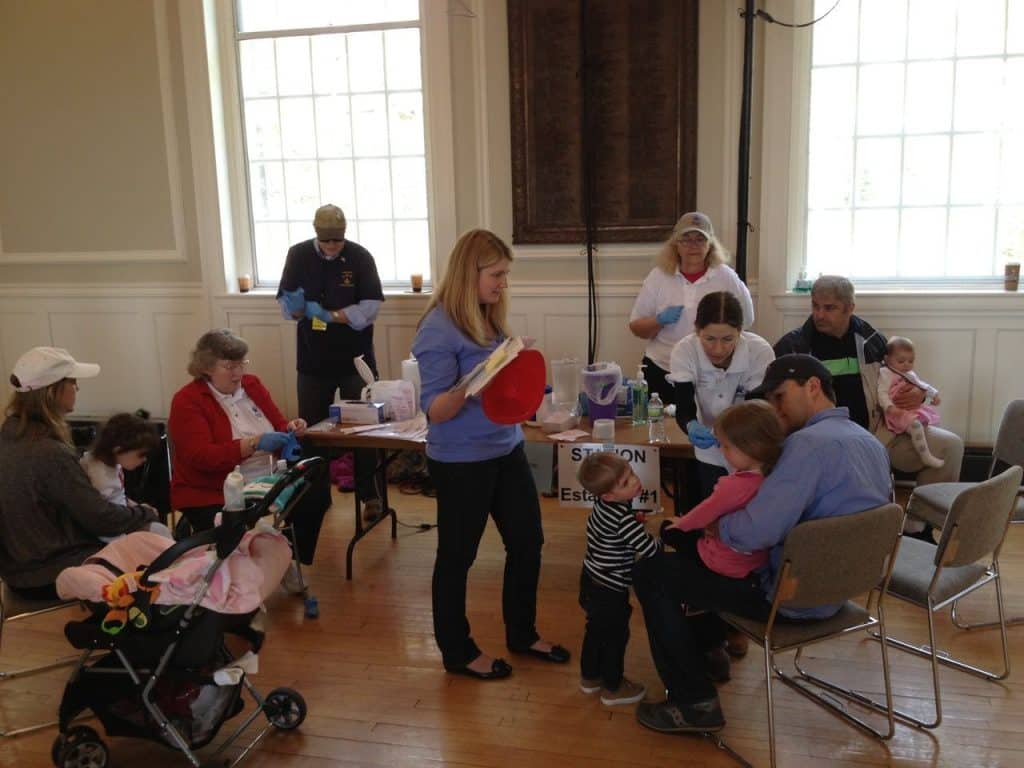
“Our role is to keep track of people who are interested in helping, make sure they are all trained and certified and then, when the need arises, help figure out how they can be most effective to help the first responders,” Ruggles said.
On-the-spot training is available for events such as flu clinics, where volunteers are needed to check people in and make sure the process runs smoothly.
If members want to be more involved, Ruggles said there is training for setting up and staffing a long-term shelter and incident command structure. This ensures volunteers helping in an emergency “know there’s a way things are going to be organized and how [they] fit into that.”
Other training is also available, including Stop the Bleed and Psychological First Aid, which helps volunteers learn how to help people calm down in an emergency.
Being prepared
One goal is to teach members of WERC how to help first responders in the event of an emergency, Ruggles said.
“Our group should be response-able – able to respond,” he said. “We should have people who are trained, people who know what to do, so we are able to respond to whatever happens.”
Another goal is to help residents take care of themselves in an emergency, such as a long-term power outage or a medical crisis, Ruggles said. Residents should know enough to get by on their own for 72 hours or more, so first responders can help people with medical issues that need immediate attention. If they have to evacuate, people should be able to quickly gather essential documents, cash, food and water, for themselves and their pets. Hence, the previously assembled go-kits.
“That part is what we call responsible,” Ruggles said.
Whatever the emergency, WERC is there to help.
“We’re a group the town knows they can call on for added support,” he said.
For information or to volunteer, visit Weston Emergency Reserve Corps on the town website or MAresponds.org.
Related Articles

Musicians of the Old Post Road begins concert season
There’s something “magical” about performing period music on period instruments, says Suzanne Stumpf.
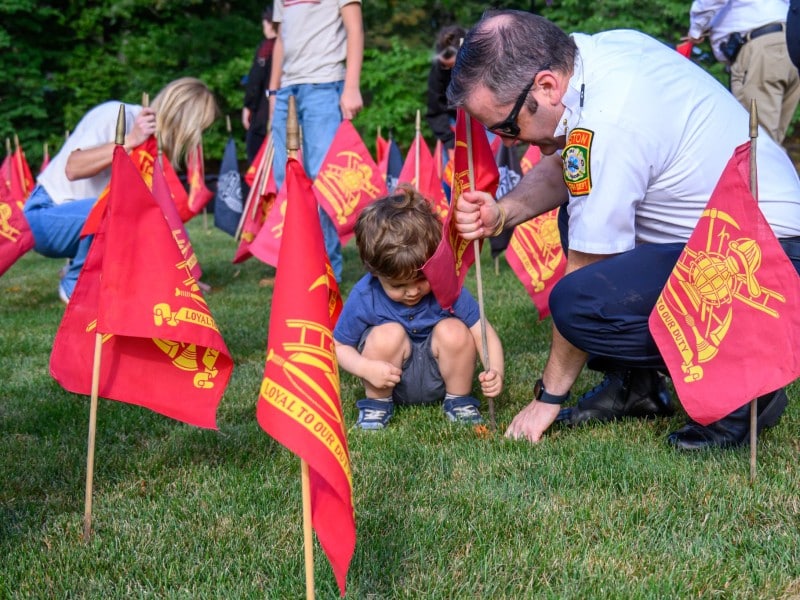
Photos: Westonians place flags for victims of terrorist attacks
In commemoration of the 25th anniversary of the 9/11 terrorist attacks, residents gathered on the Town Green, Sept. 11, 2026, to plant flags for each of the nearly 3,000 victims lost in those attacks.

Saying No to New: A guide for ditching distractions and reclaiming your life
Weston Native and New York Times editor Eric Athas has written “Say No to New: Why New Things Are Stealing Your Time, Money and Happiness and How to Take Back Your Life.”