Lagging life sciences leases also hit Weston
Greater Boston’s once-booming life sciences and biotech industries led to a burst of labs and manufacturing development around the region beginning in 2015, but a confluence of factors, including an oversupply of space for lease, declining investments and federal funding uncertainties have made ghost labs, like the one at 15 Riverside Road, a common sight.
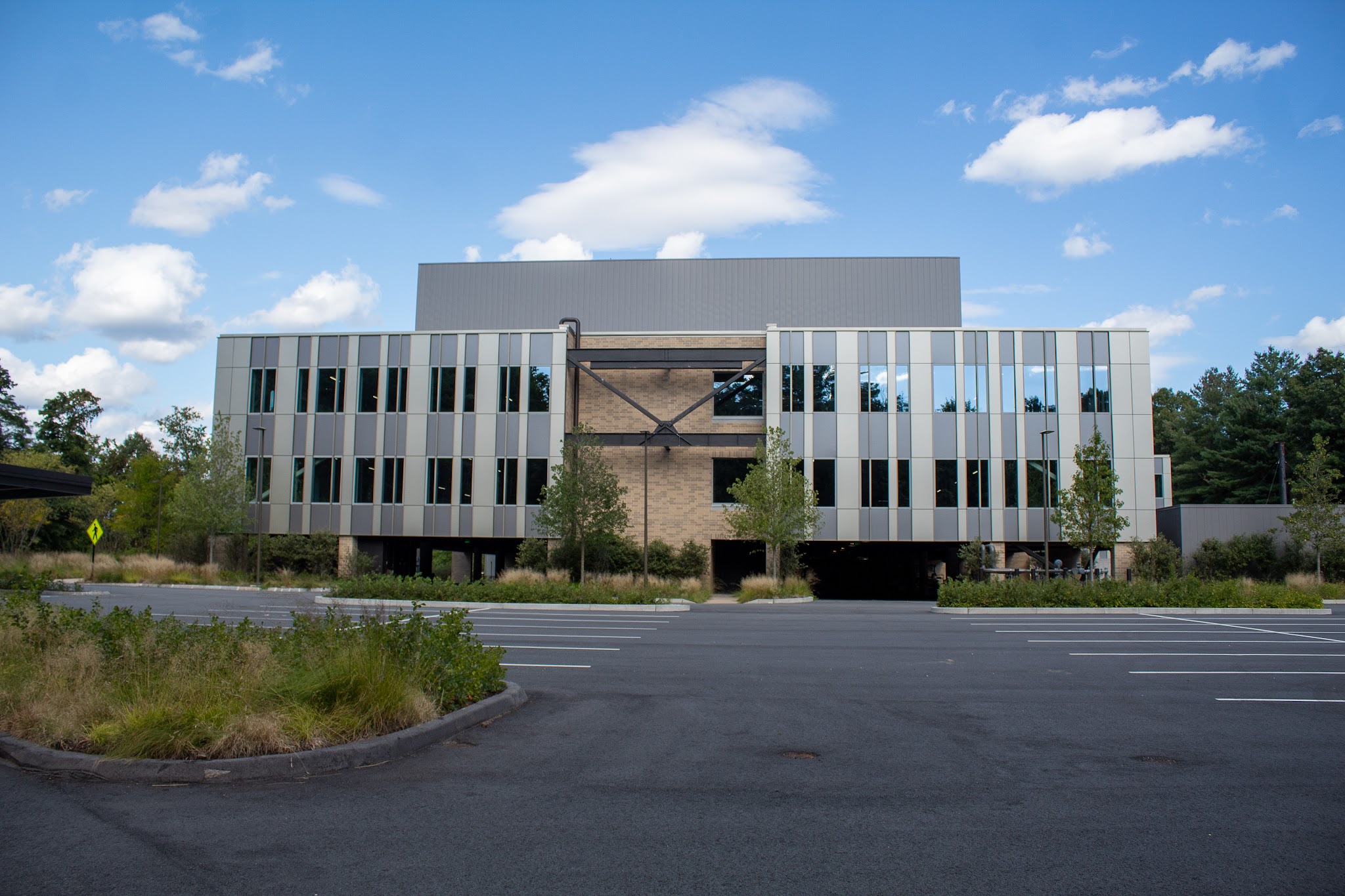
Upon turning onto Riverside Road, drivers are greeted with a state-of-the-art lab space with the lights on, but with a clearly empty parking lot.
Greater Boston’s once-booming life sciences and biotech industries led to a burst of labs and manufacturing development around the region beginning in 2015, but a confluence of factors, including an oversupply of space for lease, declining investments and federal funding uncertainties have made ghost labs, like the one at 15 Riverside Road, a common sight.
Those challenges, among others, have led to vacancies at about 31% of all biotech laboratory and manufacturing spaces across Massachusetts, according to a 2026 industry snapshot released on Aug. 25 by MassBio, a Cambridge-based nonprofit trade association representing the biotech and life science industries.
Jeffrey Robert, a finance lecturer at the University of Massachusetts’ Isenberg School of Management, said explosive growth during the pandemic led to oversupplying of lab space. This, combined with recent federal funding cuts and the migration of venture capital money to the booming artificial intelligence industry, has left Greater Boston with a glut of lab space.
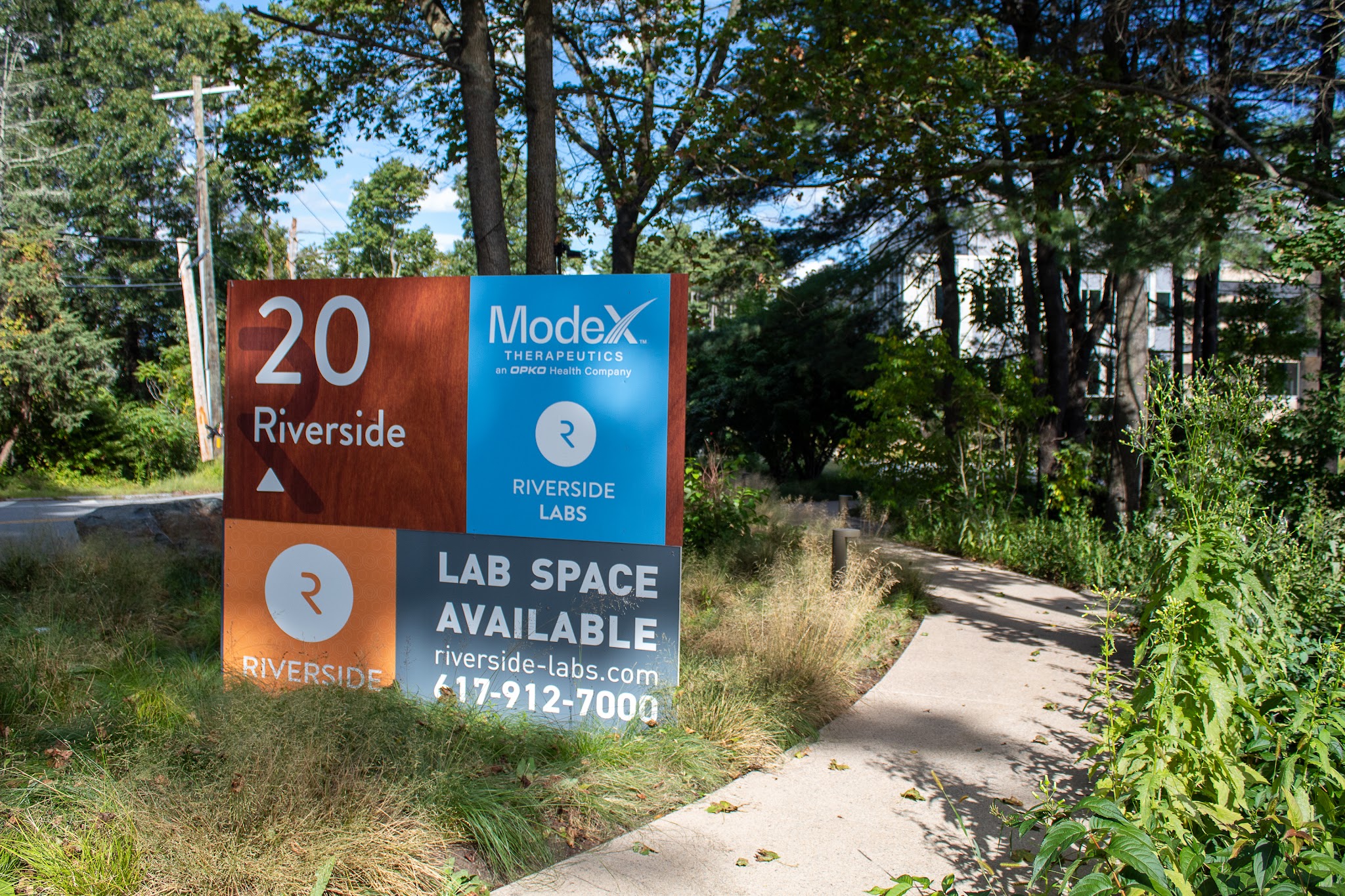
Locally, Riverside Labs, the three-building campus on Riverside Road owned by Greatland Realty Partners, is currently hosting a sole tenant, ModeX Therapeutics, a biopharmaceutical company developing cancer therapies.
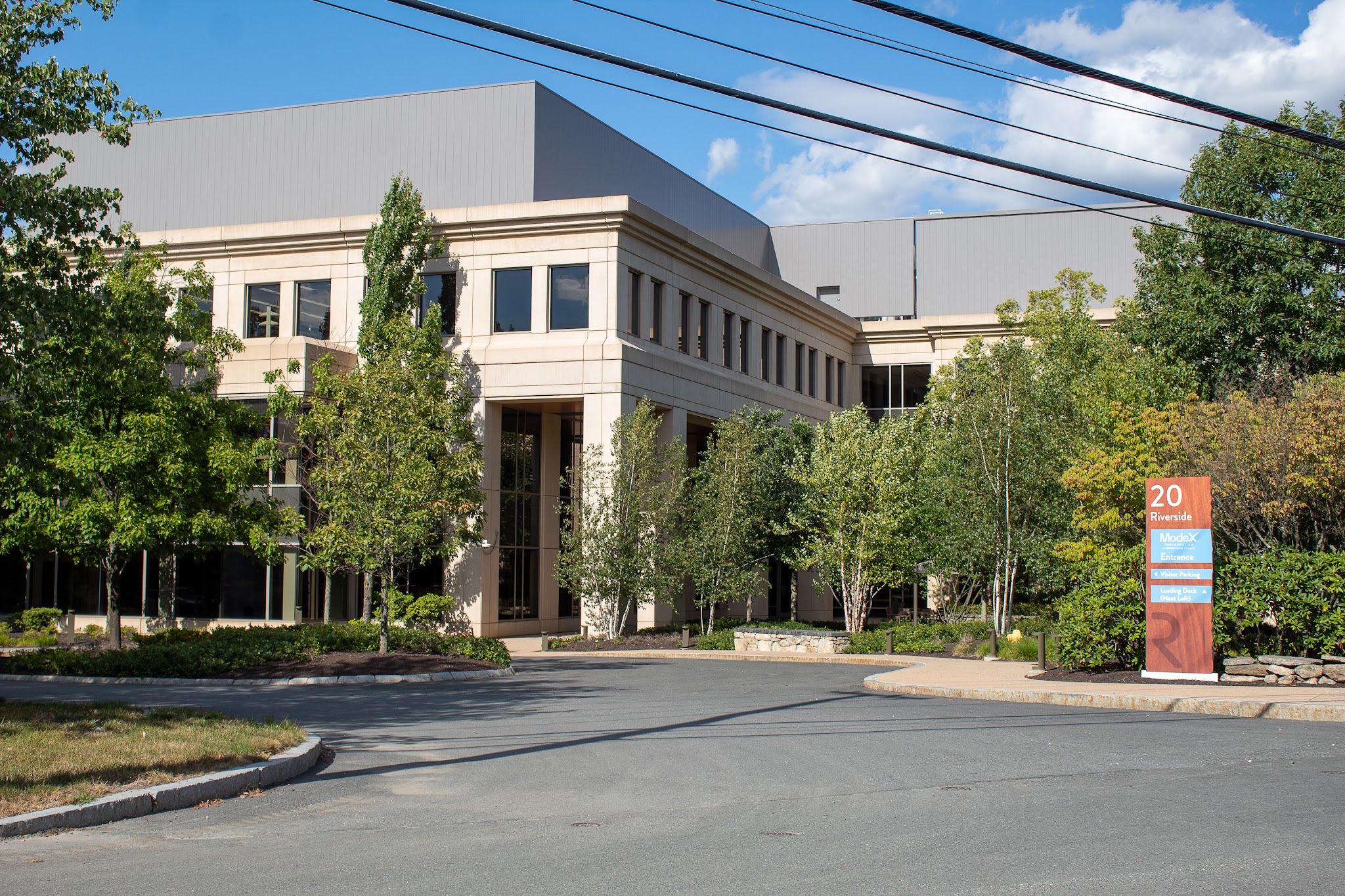
The building at 15 Riverside Road is notable, as it stands vacant after Greatland Realty invested $50.3 million to renovate 115,000 square feet of office and lab space.
Development on the site is the product of negotiations between the company and town to rezone Riverside Road and swap land at the end of the street for housing. Greatland Realty co-founder Kevin Sheehan said the company purchased the property in 2020, and has been working with the town to develop the three-phase development – totaling 340,000 square feet – with phase one beginning in 2022 and completing in 2023.
Sheehan said 15 Riverside Road is phase two of the project, with phase three on hold while the company awaits potential leasing prospects. Construction documents were submitted in 2024 and a certificate of occupancy was issued on Oct. 22, 2025, according to Building Inspector Paul Creedon.
While the lab remains empty, Weston has benefited, as Greatland Realty paid $503,131 in application fees in June 2024, Finance Director Susan Kelley said.
Although the industry is weathering a difficult period, Sheehan said Greatland is optimistic that the lab space will fill out in the future.
“We have definitely seen more activity in 2026 than in the prior couple of years…. We do have an oversupply of lab space in general,” Sheehan said, noting there are currently “multiple active inquiries” on the property. “We are optimistic that we are going to get the rest of the space leased.”
Life sciences may be back on the rise
According to Robert, the most recent cause for the lab space glut is the transfer of venture capital dollars from the search for vaccines to development of artificial intelligence.
“As [investment] dollars chase everything AI, there are less dollars for biotech startups,” Robert said.
Robert agrees with Sheehan that the real estate market is slowly improving as long-running building projects are finished. Supply, however, still outweighs demand. He said there are about 3.5 million square feet of life science space in the construction pipeline in Greater Boston, but 80% of that is preleased.
“There are no speculative projects anticipated to break ground in the coming years, which will help as demand consumes the existing vacant space,” Robert said. “More years where net absorption (move-in minus move-out) remains positive will lower the vacancy rates and slowly start to heal the ailing life sciences real estate sector.”
With a “very central location so you can attract employees from north or south of Boston,” Sheehan said Greatland is planning to be nimble by opening itself up to other industries.
“The demand for research labs has definitely increased this year, but other technologies,” he said, such as artificial intelligence, robotics and other industries, and commercial offices, are also rising. “We’re open to all of those types of uses, and the zoning [supports it].”
Author
Related Articles

Steps for Sotos to raise money for first-of-its-kind MGH clinic
A local family is hosting Steps for Sotos, a walk-a-thon to raise money for MGH’s Sotos Syndrome Clinic.

Declaration reading, parade set for Sunday
Weston residents have a chance to step back into history this weekend.

DPH: moderate arbovirus risk in Weston
The risk for tick- and mosquito-borne illnesses in Weston has been elevated to moderate.