
Heat, higher-intensity storms shuffle summer camp plans
Summer camp employees are keeping their eyes on the sky and students in the water to keep the season fun as the weather changes.
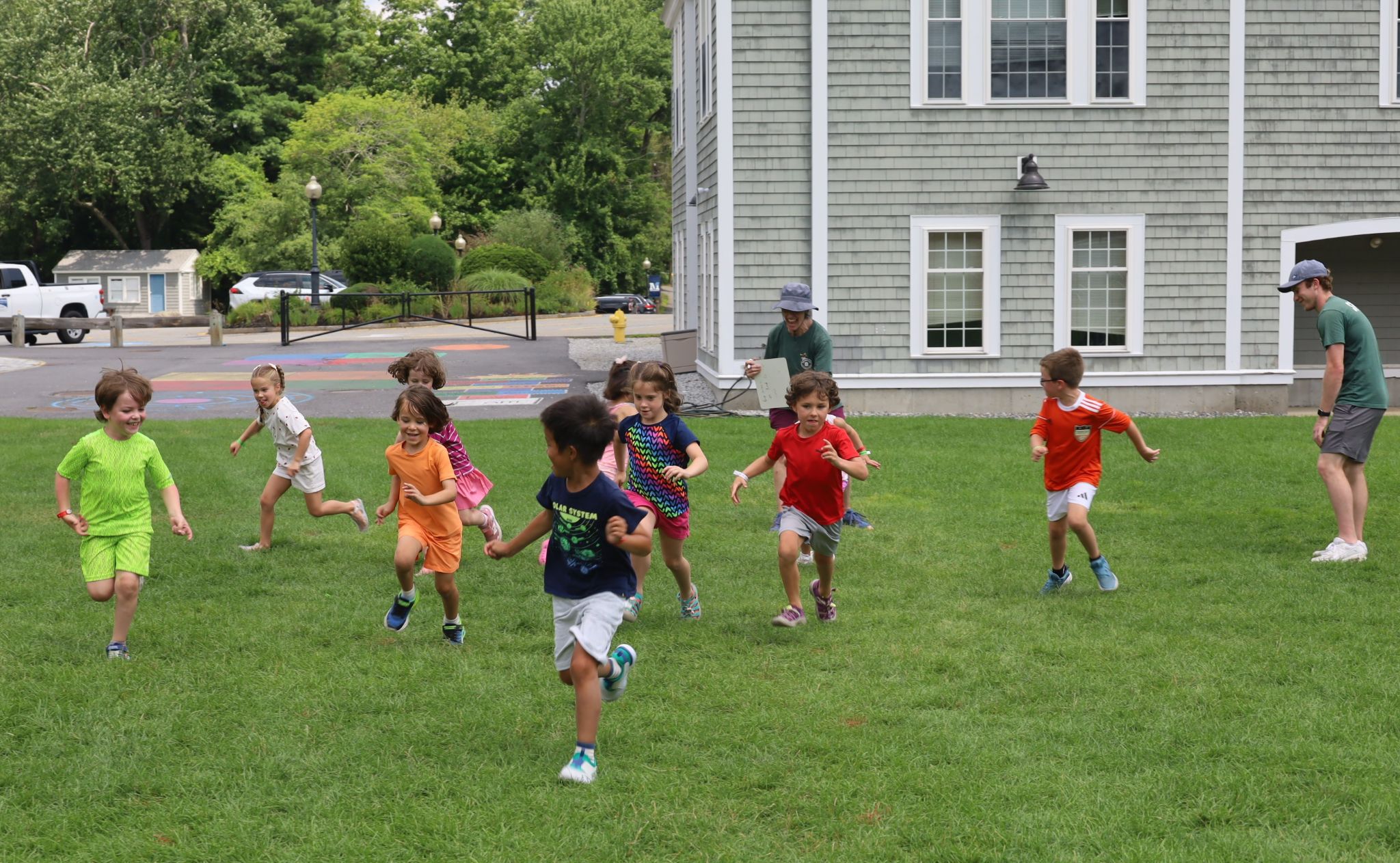
Summer camp employees across Weston are keeping their eyes on the sky and students in the water to keep the season fun as the climate changes.
Massachusetts is getting warmer. According to the 2022 Massachusetts Climate Change Assessment, based on data from 1950-2013, inland Massachusetts used to experience about four days where the temperature reached over 90 degrees. By 2050, it is estimated that number will go up to almost a month. Assistant Recreation Director Sharon Locke said weather has been a topic of conversation among her staff over the years as summers get more extreme.
“It does seem like summers are getting hotter,” Locke said. “We are experiencing longer stretches of hot weather.”

Across Weston summer camps, swimming is the primary way to keep kids cool while enjoying the outdoors. At the town’s Recreation Department, CSW Summer (at Cambridge School of Weston) and Branches at Meadowbrook, students are swimming at least once a day.
To keep kids safe, Locke and other camp leaders say they make sure to take care of their employees first. The Recreation Department offers water, sunscreen, electrolyte powder and popsicles with electrolytes for its lifeguards.
“With our lifeguards, working out in the heat is part of the job, but that extreme heat is not something that they’re used to, especially in the northeast. It’s something we want to be aware of,” Locke said. “If your lifeguards aren’t healthy, they can’t keep people safe.”
Freeze pops and electrolyte powders have been offered to staff for two years, according to Locke. She said they were added to staff provisions after a bad heat wave. The department has also started to encourage life guards to swim from station to station along the pool to cool off while at work.
At CSW Summer and Branches at Meadowbrook, counselors have access to the sports drink Gatorade throughout the day. There is also water on hand for campers because staying hydrated is especially important when outside in the summer heat.
Both camps also schedule outdoor activities earlier in the day before the heat descends in earnest. Kelly Mills, the director of auxiliary programs and Branches Camp director at Meadowbrook School, said it is important to ensure campers have time outdoors unless the weather prevents it.
“Our big focus is making sure kids can have time outside, but safety is our main priority, then making sure the kids can still have fun,” she said. “We try to utilize our outdoor spaces in the morning before the heat index gets too high.”
When children are outdoors, counselors at Branches bring out Slip-’N-Slides and water balloons to keep everyone cool while they play.
“On really hot days, we’ll do sugar-free popsicles,” Mills said. “Sometimes we’ll give them out during car line [pickup] because with the heat, the kids aren’t feeling it.”
At CSW Summer, Meghan O’Leary, the director of summer and auxiliary programs at the Cambridge School of Weston said the plan is similar. If a hike at Cat Rock is planned, it is scheduled early in the day. Counselors can cut the route short if the weather is too extreme. Indoor activities, like obstacle courses in the gym or arts and crafts, are set up in different areas of the campus so campers still get the chance to move throughout the day, even if the heat keeps them indoors.
As the climate changes, parents have become more concerned about making sure summer camps are able to accommodate their children, according to O’Leary.
“Parents have questions about what plans are for very hot days…It’s more on parents’ minds,” O’Leary said. “When parents come on tours, knowing we have air-conditioned spots has been a highlight.”
Sometimes the heat lasts into the night, requiring overnight programs using Cambridge School’s dormitories to respond. The Brave Arts Theatre Workshop uses two dorm halls on campus, one of which is air-conditioned and one of which is not. Last summer, according to O’Leary, it got so hot one night, all the campers were moved into the air-conditioned building.
“Most often, we’re pivoting because of the heat. You can see rain coming more easily,” O’Leary said. “If it’s 90 tomorrow, is it going to feel like 86 or 102 [degrees]? So we have two plans.”
Although heat is the primary concern, it is far from the only weather issue camp directors face during the summer. Rain can also bring students indoors. One week, temperatures can hit the high 90s – as they did on May 19 and the week of July 3, according to the National Weather Service’s observation station at Hanscom Field – and the next it can be so overcast that student-made solar ovens can’t work. O’Leary said the weather can vary so much throughout the summer, that the season doesn’t always feel defined by heat.
“You can never tell exactly what a summer is going to be,” O’Leary said. “I have an air quality website bookmarked that I had never heard of before 2023.”
Wildfire smoke from Canada impacted Massachusetts this summer as it did in 2023. On July 15, the Massachusetts Department of Environmental Protection released a one-day statewide air quality alert due to the smoke, advising people to refrain from strenuous activities outdoors. According to Mills and O’Leary, most students took the strange-colored sky in stride, although some children with health conditions, such as asthma, were worried.
Storm alerts are also changing how summer camps plan. The Weston Recreation Department now has a plan for tornadoes. The response is similar to the one for lightning – campers will be required to leave the pool and staff will be directed to go to Country School, the Weston Public Library or the Community Center.
“We always had a plan for thunder and lightning, but we had to come up with a tornado plan because, inevitably, we’ll get a warning once or twice a summer, which we’ve never had to deal with before,” Locke said.
The key to keeping people safe and happy is the ability to respond as things change, whether it’s an unexpected thunderstorm or a student who has had a bad night’s sleep, according to Mills.
“We’re very flexible, that’s really important working with kids [aside from the weather],” said Mills. “Even if you have great plans, you can’t always execute them to a tee.”
Author

Related Articles
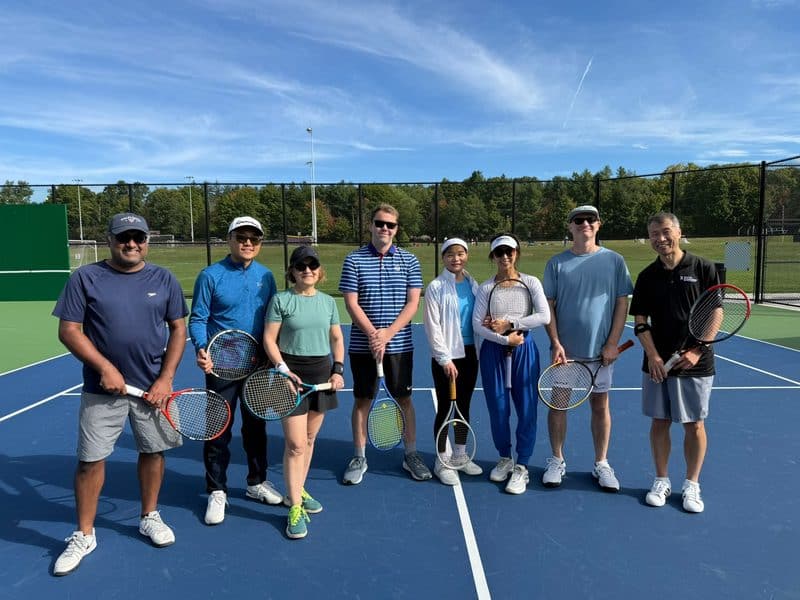
Looking to net-work? Resident hosting open tennis sessions
Whether you’re an avid tennis player or looking to get back on the court, there will be chances for you to play this fall.

Musicians of the Old Post Road begins concert season
There’s something “magical” about performing period music on period instruments, says Suzanne Stumpf.

Photos: Westonians place flags for victims of terrorist attacks
In commemoration of the 25th anniversary of the 9/11 terrorist attacks, residents gathered on the Town Green, Sept. 11, 2026, to plant flags for each of the nearly 3,000 victims lost in those attacks.