
Select Board satisfied by Woods response
The Woods Restaurant is back on track, after the Select Board received satisfactory responses to its demands.
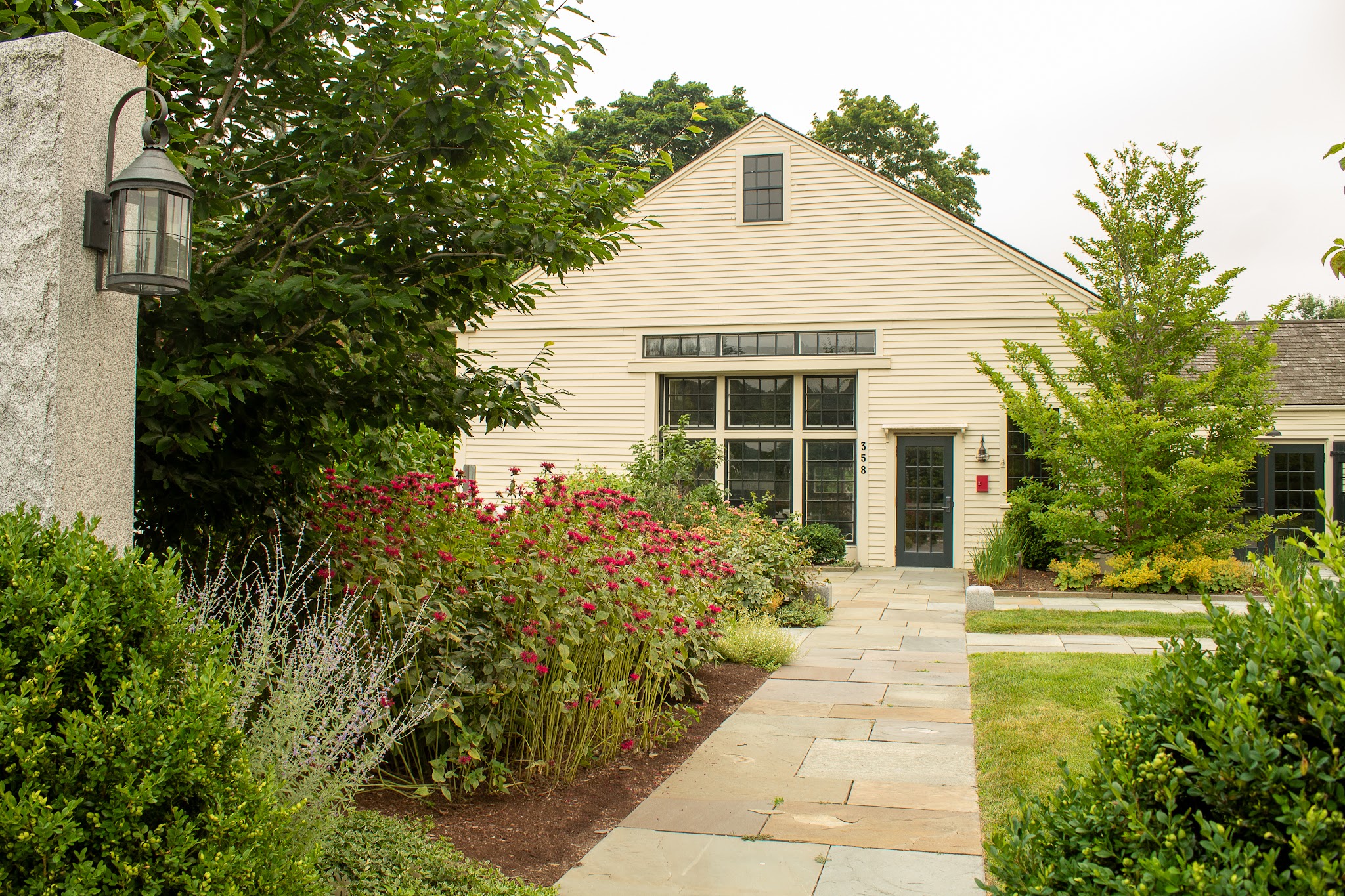
The Woods Restaurant at the Josiah Smith Tavern is once again on track, after the Select Board received satisfactory responses to long-standing questions about the project.
Restaurateur Brian Piccini presented an update to the Board July 14, in response to an ultimatum the Board issued in June. In a letter to Piccini and the Friends of the Josiah Smith Tavern – the nonprofit that leases the building from the town – the Board threatened to cancel the restaurant’s lease if it didn’t provide a project timeline and financial and construction documents.
Piccini submitted his team’s response last week. Board Chair John McDonald said The Woods met expectations and the relationship could continue.
“I’m very pleased with what you’ve submitted,” he said. “I think you have satisfied what we’ve asked for largely…we want to move ahead as quickly as possible.”
The new information includes an updated timeline, which puts the restaurant’s opening next March, pushing forward the earlier target for a fall 2026 opening. Piccini also went through his financial plans. He said the project will cost around $4.3 million, with administrative costs from meeting coordination and securing a liquor license driving the cost much higher than is expected for a typical restaurant. He also budgeted $168,000 in contingency funding for any unexpected costs during construction that could arise when working with a historic building.
“That shows my commitment to this project and to the very sensitive private and public relationship that we are trying to engender here,” Piccini said.
In order to prove financial security, an issue the Board has raised in the past, BU West – Piccini’s company – and the Friends proposed an escrow account to prefund construction costs. Piccini said he has been working with town counsel KP Law to pull together an agreement.
Piccini and the Friends are also hoping to amend the sublease agreement. The original sublease included a grace period before the restaurant would have to start paying rent. President of the Friends Jay Valenta said they are looking to restart the clock on the agreement, since the original intent of this was to support the early days of the restaurant.
“The reason for the amendment simply is that the timeline has stretched such that the dates and the triggers in the original sublease no longer apply,” Valenta said. “The goal of the amendment is essentially to reset the original business deal…In addition, the sublease amendment will include some other assurances on the timeline, such as delivery [and] start of construction.”
Several Select Board members, including McDonald, Anupam Sachdev and Lise Revers, supported amending the sublease, although they have not yet seen an official draft . Sachdev added he wants to see consequences outlined in the amended sublease to ensure the project is completed.
“We want you to be successful financially,” he said. “On the other hand…I would like there to be incentives for you to meet that March deadline.”
Revers raised concerns about how these agreements factored into the updated timeline. In Piccini’s schedule, he planned to have the lease agreement and escrow account finalized by July 17, three days after the Select Board meeting. In the outline, he said the opening date is pushed back every day these steps are delayed. Revers said it would be impossible for the Select Board to meet that turnaround considering they have not seen the documents yet.
“There’s a couple things on the schedule that indicate these very quick turnarounds. I realize you guys would love that and we would love it, too,” she said. “But amending a whole lease agreement, a lease and sublease, and a construction escrow agreement…That’s going to take more than two days.”
Revers suggested the Board meet as soon as possible to review the amended sublease and escrow agreements to keep the project moving forward. McDonald reiterated the Board’s support of the project, advising the team that if they need additional support from the board to communicate it clearly to prevent potential setbacks.
“The timeline and all these items look great, but the past history has been that there’s been so many timelines I’ve seen, and none of them have ever been met. That’s my concern,” McDonald said. “The way to show that’s not going to be the case this time is to execute and perform on that. The person who has to execute on that is not the town and not some town board; it’s the restaurant.”
Author

Related Articles
29th annual Rotary Club car show set for Sept. 26
For Richard DeVito Jr., a member of the Weston & Wayland Rotary Club, relating life experiences to the cars people drive is the essence of the organization’s biggest community event: the annual Antique and Classic Car Show.
Flock contract frozen as Police seek feedback
The national conversation about police surveillance has come to Weston.

Steps for Sotos to raise money for first-of-its-kind MGH clinic
A local family is hosting Steps for Sotos, a walk-a-thon to raise money for MGH’s Sotos Syndrome Clinic.