
Backyard Naturalist: Skittish and adorable: Look out for wood ducks this time of year
No duck that has ever cruised a Weston pond is more adorable than the wood duck.
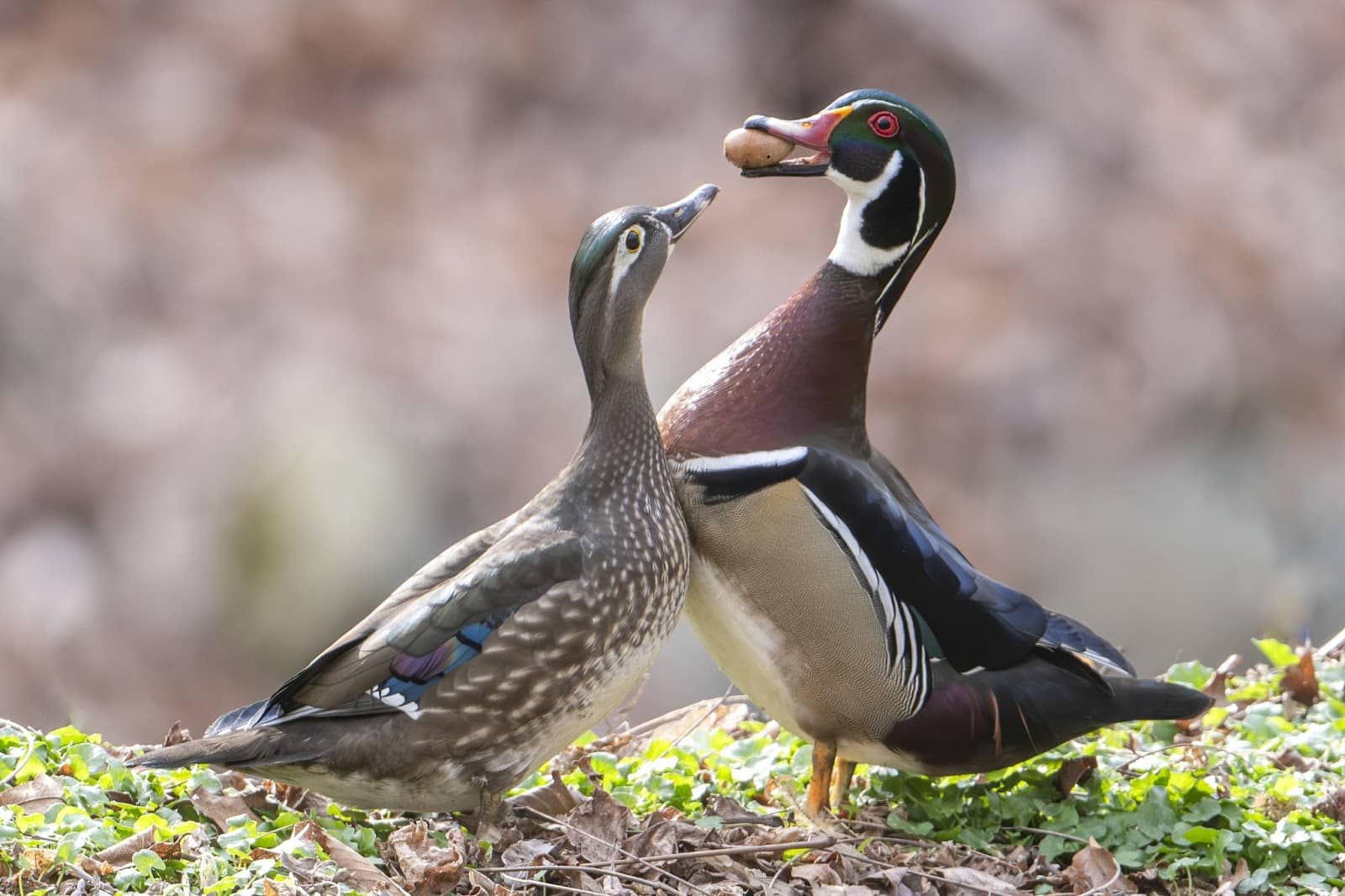
No duck that ever cruised a Weston pond is more adorable than the wood duck.
Period. Full stop.
With the likes of the handsome Aix sponsa, you have a creature that cannot help but stop you in your tracks – unless, that is, it sees you first! That’s why, when my dear friends from Auburndale came to walk Weston Station Pond (aka Duck Pond) with us last weekend, we agreed to ground rules for Sunshine, their lovable, exuberant rescue dog: on the leash during the wood duck stretch of the hike.
The woodie is as skittish a duck as I’ve ever met, which puts that much higher value on the close-up looks they oh-so-seldom permit you to sneak. Honestly, my typical view is that of the hind end as the duck retreats by air amidst peals of startled squeals and whistles.
At this time of year, hundreds of these charismatic critters mass amongst the lily pads before taking flight to their wintering grounds in the Carolinas.
There are a host of reasons that wood ducks are the ducks that rock it most for me. They were my mom’s very favorite birds. Back in South Dakota that would not be inconsistent with displaying a taxidermied specimen in full view in our home. Closer to home in Weston, the species has endeared itself to me by having been a treasured neighbor. A pair returns to Webster Hill each mid-April to occupy one or another of the tree trunk hollows previously inhabited by pileated woodpeckers. There, not too many steps from my mailbox, the hen will deposit the eight creamy-white eggs in her ready-made nest, adding only a bunch of her breast feathers to make for a more cushioned hatching environment.
Within about a month, all of the ducklings will have hatched; within 24 hours of having hatched, mom will call to her brood to abandon the nest forever. One by one they’ll take that leap of faith and drop down 20 or so feet, plopping into the leaf litter below. That’s where they begin their own “make way for ducklings (forest-style)” march to the pond. Upland forest nesters like my little newborn friends are looking at a hike of upward of one-half mile, the entire way being fraught with risks like predators, vehicles and wrong turns.
One memorable year, Momma Duck walked her seven ducklings down our street, and one by one they disappeared into the storm sewer grate through its duckling-sized holes. The Weston Fire Department dispatched a rescue team and before you knew it, they’d plunged a ladder to the bottom of the well and fished out all seven little ones. I ferried them in a laundry basket to the Tufts Veterinary School facility in Grafton; by the time of my arrival, of course, they’d escaped and dispersed themselves throughout the car like an experiment in Brownian motion. The young vet students corralled them successfully and gave me a good-bye wave, promising me that these babies would be matched with an appropriate surrogate mother and grow up to live as wild ducks.
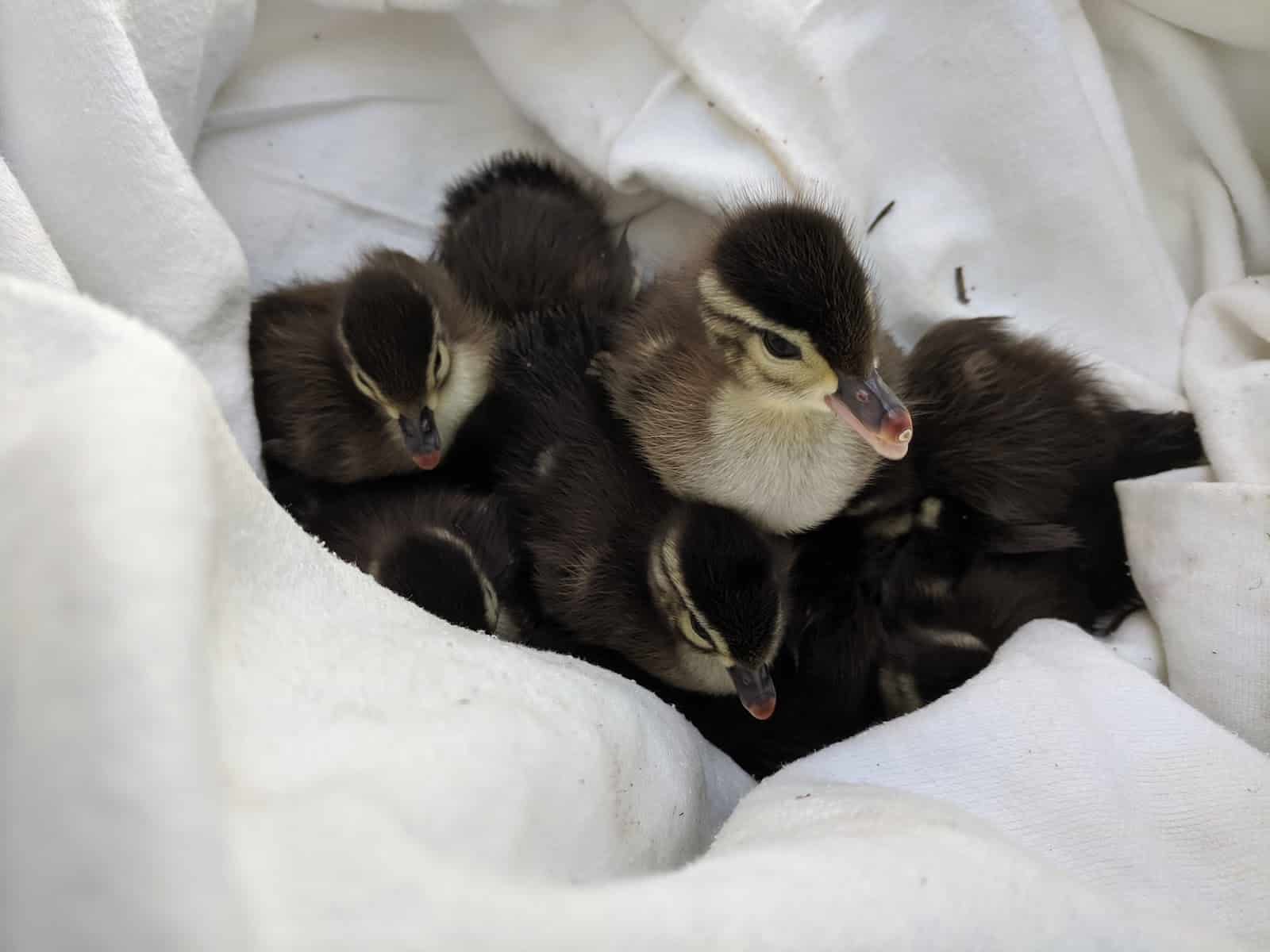
Nowadays, when I visit my neighborhood pond and hear the unquacklike squeaky squeals of alarmed woodies as they rise to distance themselves from my intrusion, I do wonder if any of my May 2019 season rescuees is among them.
Author

Related Articles

Make it a Habit: Seasonal Affective Disorder and understanding the winter blues
Your good mood might disappear along with the sun Are you just experiencing winter blahs, or is it something more serious?
Backyard Naturalist: Protect the great horned owl, your partner in pest control
Meet the great horned owl in Michael Pappone’s Backyard Naturalist column.