
Song Dog season is nigh upon us
The coyote chorus is nearly here in Weston.
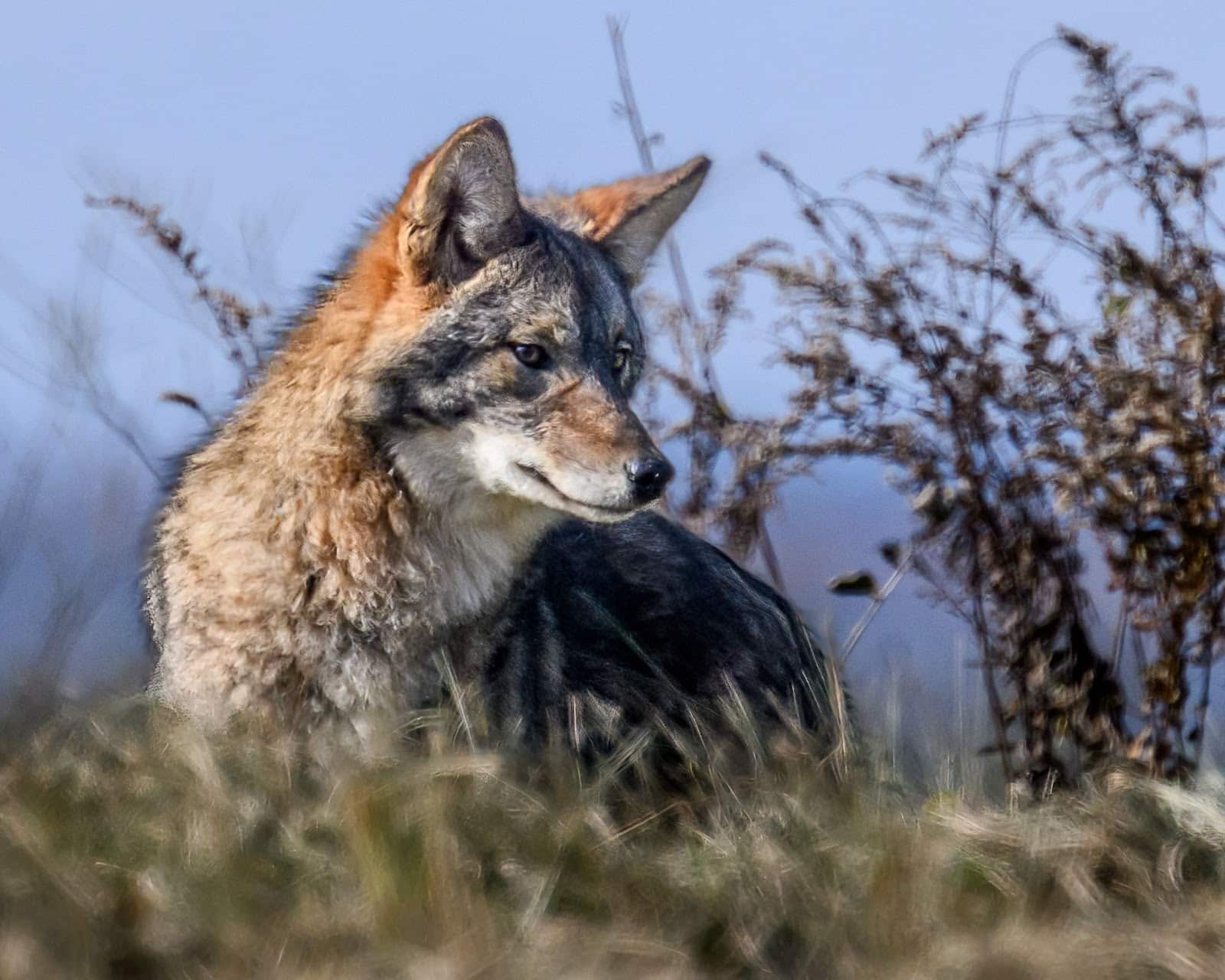
Back 150 years or so, a Westonite might have been able to hear the sustained howl of one of the two apex predators in the region: the wolf. Both the wolf and the cougar, though, were extirpated by the 1850s, leaving an ecological niche that was itching to be filled. Along came the coyote. Once limited to the plains and deserts, they found their way across and throughout almost all of North America, preying on all the species that had once been the quarry of the prior top dog, long since relegated to the distant north. Our eastern coyote carries a fair bit of the wolf’s DNA, mixing it with that of domestic dogs from generations-old encounters of one kind and another. Some even call them coywolves.
It’s been my habit over the years of slipping quietly out the side door before bedtime to stand and listen. And listen a little more. Sometimes it’s an owl that I hear. On other lucky occasions, it’s the howl and yip chorus of Canis latrans reminding us who’s top dog now. What we’re hearing is the language of a mated pair of alpha coyotes reinforcing the family’s bonds while signaling to others that they are ready to defend their territory. This vocalization can create a ripple effect where the family in the adjacent territory answers back, and the family whose territory abuts theirs joins the chorus. When we hear that nearby family doing its song-dog routine, we almost always overestimate the size of the choir. The coyotes in song-dog mode are just earning their reputation as tricksters. They are creating an auditory illusion by voicing a variety of sounds, which in turn are distorted as they pass through the environment – making us swear that we’re hearing a pack of seven or eight animals. In reality, it’s a combination of a male’s howls, the female’s yips and shorter howls. Depending on the season, the vocalizations may serve other purposes: advertising for a mate, locating family members or reacting to an intruder.
Weston’s coyotes will be breeding come February. Depending on the quantity of available food, four to eight pups weighing half a pound each will be born in the spring. They’ll be nursed for a couple of weeks, then fed regurgitated food by the parents (and sometimes by last year’s grown pups), start hunting by mid-summer and begin to disperse to find new packs and territories in the fall. They’ll continue to signal their territorial claims by scent-marking with scat and urine, providing a time-stamped message of when they were present and how healthy they were. Coyotes treat the Rail Trail as their equivalent of the internet superhighway: “Sniff here to detect unread messages.”
Our neighborhood wild dogs weigh about as much as a medium-size domestic dog — 33 to 40 pounds for a female, and 34 to 47 for a male. Shy and wary by nature, they’re content to hunt out of sight, seeking out rodents, rabbits, ground-nesting birds, fruits, grasses and –when they’re particularly fortunate– deer. It’s a good idea to protect your poultry, and not let your pets (or their food) linger outdoors unattended. Our coyotes’ diets help reduce the spread of Lyme disease when they slurp up white-footed mice (a key host to disease-bearing deer ticks), help keep the deer population in check (another Lyme disease culprit) and generally keep pesky critters from overrunning our environment.
If you want to learn more about coexisting with this fascinating dog, you need look no farther than to a page in Weston.gov dedicated exclusively to coyotes. And remember that use of second-generation anticoagulant rodenticides can kill predators like coyotes if they ingest prey that has consumed the poisons, depriving the coyote of its life and the community of a prized participant in rodent control.
Author

Related Articles
Backyard Naturalist: Feisty little climate migrants survived Snowmageddon
The Carolina wren is one of a growing list of climate migrants coming to Weston.

Ask the parent coach: Post holiday query: How can I stop yelling at my kids?
Kerri Smith has some advice for shaking off the January Blues.