
Retirement skills: Your health and how to thrive through transition
Thinking of taking the next big step in life? Lisa Keer Carusone has some tips for entering retirement.

Millions of people retire from the U.S. labor force each year in one of life’s most health-impactful transitions. Yet strategies for lifestyle management designed to support long-term health are not something we typically think about as we plan for retirement.
The University of Michigan Health and Retirement Study, a 32-year national longitudinal study of 20,000 Americans, shows that the path to retirement has become more varied. The work-full-time-then-retire-full-time model is less prevalent today, so retirement looks very different from what your parents and grandparents experienced. With increases in lifespan, retirement lasts longer than ever. Giving thought to lifestyle management before you stop working may help you enjoy the kind of retirement your family members might only have dreamed of.
When you retire, what happens? You have more free time but fewer demands on that time. Without a commute, bedtime may no longer matter much. You can take a nap whenever you want. With a flexible schedule, exercise can happen later. And without that standing afternoon meeting, anytime can be lunchtime. But when time becomes that flexible, health challenges brought on by inconsistent habits become more common.
When you retire, you may not miss Todd from accounting. However, you may feel the loss of trusted colleagues — especially if you were fulfilled by your work. If you choose to relocate, or if many of your friends do, the loss of social circles combined with the loss of professional connections can be impactful.
It can be hard to shed work habits — that existential sense of urgency and the need to deliver results. Relinquishing mastery of a subject or skill, especially if you continue your business career in a transitional or reduced role, can be an unexpected source of stress and rumination.
When you retire, include lifestyle management as part of that plan. Evidence-based lifestyle management best practices include:
- Quality sleep: Seven hours nightly, with consistent bedtimes and wake times.
- Stress management: Mindfulness practices, social connection or spiritual engagement.
- Social connection: Maintain friendships through events and scheduled activities.
- Mediterranean diet: Including portion control and sufficient protein intake.
- Monitor alcohol consumption: One or two drinks per week.
- Fitness: Two to three days of strength training and 150 minutes per week of aerobic activity.
The transition to retirement is not the first major transition you’ve experienced. You’ve been here before. Transitions have three parts: the end of the old, the messy middle — where we figure things out — and the beginning of something new.
Navigating that messy middle is where having a vision for your retirement, along with a focus on lifestyle management, can help you thrive through the process.
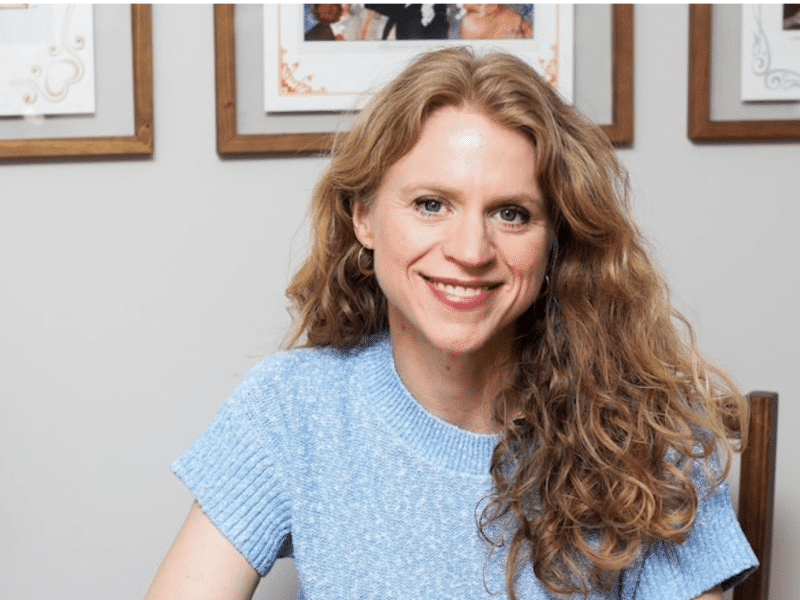
Lisa Keer Carusone is a National Board Certified Health and Wellness Coach and a Certified Executive Coach. She is a coach at Massachusetts General Hospital’s Center for Specialized Healthcare Services in Boston. She lives in Weston.
Author

Related Articles

Backyard Naturalist: Welcome spring and the bluest of birds
Backyard Naturalist Michael Pappone is ready to welcome back the bluest of birds this spring.
Ask the Parent Coach: Validating feelings to get kids to do what they need to do
Kerri Smith has some tips for helping your kids to do tasks that you need them to do.