
Paines Hill water tank access road design moved
After hearing abutters’ concerns, the Select Board voted to move the planned access road for the Paines Hill water tank.
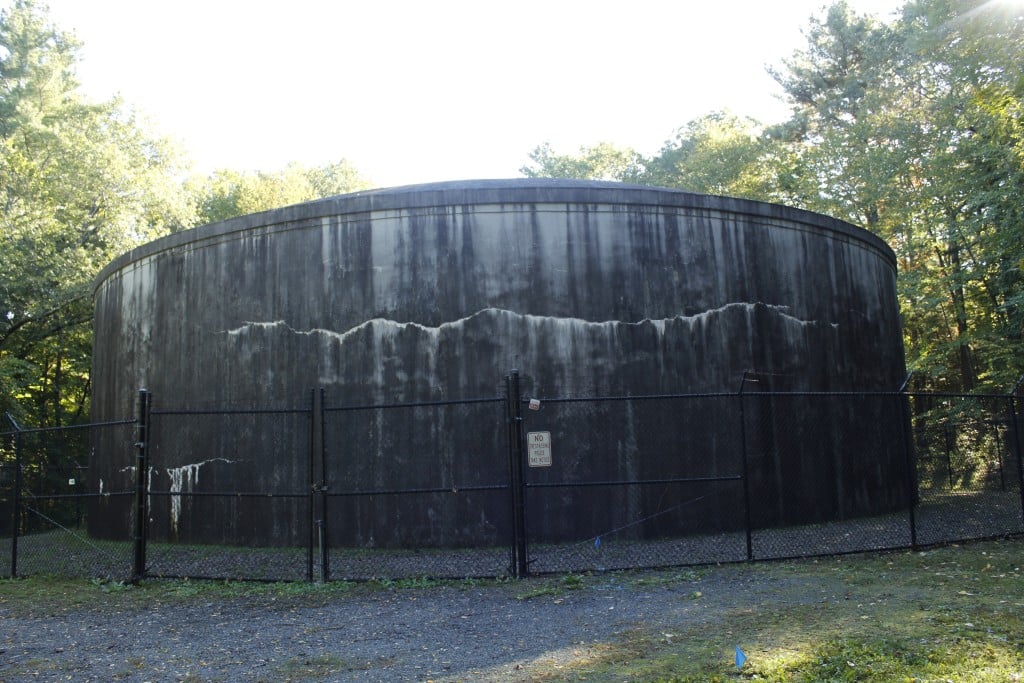
The Select Board on Dec. 17 voted to move the planned access road for the Paines Hill water tank, allowing the town’s engineering firm to complete 60% design documents.
Abutters to the tank project requested the path be moved from the north side of the tank to the center of the site in order to protect views from their homes. The Select Board agreed, and as a result, the path will go through the center of the site.
Previously, Wright-Pierce, the engineering firm responsible for the designs, had recommended placing the access drive north of the new tank to address operational needs and minimize tree clearing.
With the decision made, Robert Williamson, a project manager with Wright-Pierce, said the company can now finish the next step in design plans.
“We stopped back about a month ago until we can resolve the Paines Hill access way because we want to pin everything down,” Williamson said. “Once we get a final decision on the access way, we’ll be able to submit 60% [designs].”
Abutters took issue with the plan to locate the access path to the north because the tank would be more visible from their homes, and because previous documents showed the road going down the center.
To put the path through the center of the site, it will have to be relocated after a temporary road is built during construction of the new tank. Relocating the access path and utilities will cost between $200,000 and $500,000 according to a back-of-the-envelope estimate from Amy Coppers, a Wright-Pierce engineer.
Abutters voice concerns
Jill Waldner, an abutter to the Paines Hill tank, said that it was important to consider whether or not residents would have a direct line of sight from their properties to the tank.
Wayne Bloom, an abutter to the south of the tank, said he believed placing the road in the center would be a reasonable compromise for all involved. He maintained that preserving as many trees as possible would prevent direct sightlines to the tank.
Department of Public Works Director Richard Sullivan said his department would prefer putting the road to the north because it would have fewer turns and bends for the water main, lessening the likelihood of failure. For the sake of longevity, he said, the north side path would be best.
“Abutters aside, the north is the best path, from my perspective,” Sullivan said.
Tom Palmer was the lone vote in favor of placing the path to the north of the tank. He said that although the cost of putting the road through the center may seem insignificant against the total project cost, it is additional money that would only serve the abutters and not the entire project.
“I also think about the knock-on effects that this has on the other sites, where we’re also facing significant abutter concerns,” Palmer said. “Are we going to be willing to spend upwards of half a million dollars…to accommodate those abutters at these other sites as well? At some point, that adds up.”
Select Board Chair Lise Revers said abutters’ opinions should be taken into consideration because they will be most impacted by the project.
“I think that if there’s things we can do to make this project more palatable to abutters, that we should do it,” Revers said. “I don’t see the cost as being the determining factor here.”
Palmer added that abutters should be heard, but not lead the design process.
Williamson said meeting with the abutters and finalizing a plan for the road will take more than a month. The work will not be ready by the next Water Tank Working Group meeting in January.
“We won’t be able to turn this analysis around anytime quickly,” he said. “But whatever you ask of us, we’ll do.”
Author

Related Articles

Traffic and Sidewalk Committee chair resigns
Traffic and Sidewalk Committee Chair Daniel Patnaude resigned March 9, citing issues with other committee members.
HYM Zoning change will not be on Town Meeting warrant
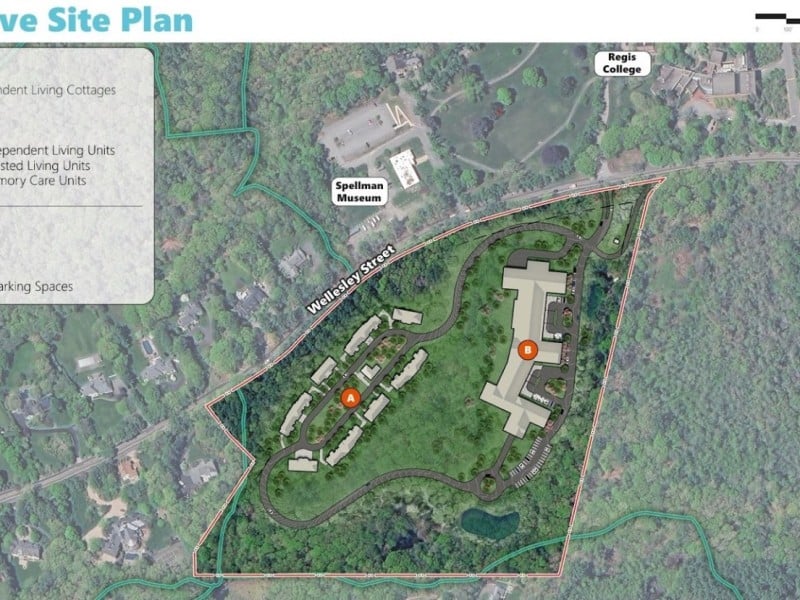
The Senior Living Community Overlay District proposal for 300 Wellesley St. will not be on the Annual Town Meeting Warrant.

Wayland man cited for Cybertruck vandalism
A Wayland man was summoned to court on Feb. 27 after he allegedly keyed a Cybertruck parked in the Central Street parking lot.